

Kids Health
Everyday essentials for fast, confident care
A midnight fever, a fussy tummy, or worry that your child isn't getting enough nutrients — every parent faces these moments. Intimo Life curates safe, easy-to-use medicines and supplements for children so you're always ready to respond.
💊 Fever relief, infant colic relief, and children's vitamin supplements — each one clearly labeled with age range and dosage.
👨⚕️ Consult a pharmacist online instantly — no travel, no queues, completely private and convenient.
🚚 Fast, confidential delivery — plain packaging with no product names on the outside, delivered safely to your door.
What kids' medicine should every family keep at home?
At minimum, keep three things on hand: a children's fever reducer, infant colic relief, and a kids' vitamin supplement — matched to your child's age, with dosage always checked against the label.
🛒 Shop the range above · 24-hour dispatch from Intimo Life — consult a pharmacist if unsure.
Children's health needs care on every front — from acute issues like fever and colic to long-term development that depends on consistent daily nutrition.
📊 Key clinical statistics:
- Fever is the most common reason parents bring young children to see a doctor, accounting for up to 30% of paediatric visits
- Up to 1 in 5 newborns aged 3-4 months experience colic, most often in the evening and at night
- Many school-age children don't get enough omega-3 and vitamin C from daily meals to meet their needs
💊 At Intimo Life, our kids' health range covers several key needs:
- Children's fever reducers — gentle formulas that relieve fever and pain, with clear age-based dosing
- Infant colic relief — eases bloating and gas, alcohol-free and sugar-free, safe from birth
- Kids' vitamins and supplements — omega-3 and multivitamin support for children aged 1 and up
⚠️ Always dose children's medicine strictly according to weight and age on the label. If a fever persists beyond 2-3 days or symptoms worsen, see a doctor immediately.

Available Products
 Tempra Forte
Fever relief, paracetamol 250mg/5ml, safe for ages 6-12
✓ In stock78.00 ฿ Mamarine Kids Forte
Omega-3, L-Lysine kids formula, appetite support, ages 1+
✓ In stock165.00 ฿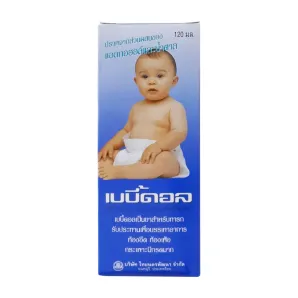 Bebidol
Alcohol-free and sugar-free, safe from birth
✓ In stock60.00 ฿
About Kids Health
When Should You Give a Child Fever Medicine?
Fever medicine is generally recommended once a child's temperature reaches 38°C or higher and they seem uncomfortable or unwell — not just based on the thermometer reading alone. If your child is still playing and eating normally despite a mild fever, medicine may not be needed right away.
Give children's fever medicine when temperature exceeds 38.5°C along with lethargy, headache, or clear discomfort, and combine it with lukewarm sponging to help bring the fever down. Avoid ice-cold water or alcohol rubs, as these can cause shivering and paradoxically raise body temperature.
How to Dose Children's Fever Medicine Safely?
Children's paracetamol dosing is calculated by body weight, typically 10-15 mg/kg per dose, every 4-6 hours, up to 4 times a day. Always use the measuring cup or dropper that comes with the bottle — never estimate with a kitchen spoon, as this leads to dosing errors.
Check the recommended age range on the label before every dose, and keep the full interval between doses to avoid accidental overdosing.
What to Do When Your Baby Has Gas or Colic?
Colicky babies often cry inconsolably, arch their back, or pull their legs toward the belly — especially in the evening and at night. The cause is usually an immature digestive system with trapped gas in the stomach.
Infant gas relief formulas, such as sodium bicarbonate-based drops, help release trapped gas and ease bloating. Alcohol-free and sugar-free, they're safe from birth and work best alongside burping your baby after every feed and holding them upright on your shoulder for a few minutes afterward.
From What Age Can Infant Gas Relief Be Used?
Sodium bicarbonate-based infant gas relief is generally suitable from birth, as it contains no alcohol or sugar that could irritate a newborn's still-developing digestive system.
Always follow the dosage printed on the label. If gas or bloating happens unusually often, along with poor weight gain or frequent vomiting, consult a paediatrician to check for other underlying causes.
How Necessary Are Kids' Vitamins, and When to Start?
Children who eat a well-balanced, varied diet may not need extra vitamins. In practice, though, many children are picky eaters and miss out on certain nutrients — especially omega-3 and vitamin C.
Most children's vitamin supplements are recommended from age 1 and up. Choose a formula with a clearly labeled age range, and remember it's meant to support — not replace — regular meals. If your child already eats a varied, balanced diet, check with a paediatrician before adding a supplement to avoid excessive intake of certain nutrients.
Omega-3 vs Children's Multivitamin — What's the Difference?
Omega-3 is an essential fatty acid the body can't produce on its own — it must come from food or supplements, and plays a key role in a child's brain and vision development. A children's multivitamin, on the other hand, combines several vitamins and minerals in one to help fill nutritional gaps from daily meals.
Some products combine both omega-3 and a multivitamin formula in a single bottle, covering both needs at once — convenient for parents who want a simple, no-fuss routine for their child.
How Do These Kids' Health Products Compare? Which One Do You Need?
Each product addresses a different need — choose based on what your child is experiencing.
Fever, feels hot → Tempra Forte, strawberry-flavoured paracetamol syrup for children aged 6-12.
Bloating, fussiness, infant colic → Bebidol, sodium bicarbonate drops, alcohol-free and sugar-free, safe from birth.
Support development and nutrition → Mamarine Kids Forte, omega-3 and multivitamin supplement for children aged 1 and up.
In short: fever → Tempra Forte / infant bloating → Bebidol / nutrition support → Mamarine Kids Forte
⚠️ ข้อจำกัดความรับผิดชอบ
เนื้อหาในบทความนี้มีจุดประสงค์เพื่อให้ความรู้ทั่วไปเท่านั้น ไม่ได้มีเจตนาทดแทนคำแนะนำ การวินิจฉัย หรือการรักษาจากแพทย์หรือเภสัชกรผู้เชี่ยวชาญ หากมีข้อสงสัยเกี่ยวกับอาการหรือการใช้ยา ควรปรึกษาแพทย์หรือเภสัชกรก่อนเสมอ
References
- Fever in Children — NHS
- Colic — NHS
- Acetaminophen (Paracetamol) — MedlinePlus
- Fever Without Fear — HealthyChildren.org (AAP)
- Malnutrition — WHO
Frequently Asked Questions
Generally yes — they work through different mechanisms. If your child is prone to nausea, space them out slightly. Always check with a pharmacist if your child is on other regular medication. Giving the fever medicine first, then waiting 15-20 minutes before the vitamin, can help reduce stomach upset — and always watch for any reaction afterward.
Watch for red rash, hives, swelling of the lips or face, difficulty breathing, or severe vomiting after a dose. Stop the medicine immediately and see a doctor right away — don't wait to see if it passes. If your child has a history of drug or food allergies, always mention it to a pharmacist before starting any new medicine or supplement so the risk can be assessed in advance.
Most liquid children's medicines should be used within 1-3 months of opening, depending on the formula and label instructions. Store in a dry place at room temperature, away from direct sunlight, and always reseal tightly after use. Don't refrigerate unless the label says to, and jot down the date you opened it so you don't accidentally use medicine that's been kept too long.
Contact a pharmacist or doctor immediately, and tell them the medicine name, the dose given, and the time. Don't wait even if your child seems fine — some symptoms of overdose can appear later. Keep the remaining bottle or box on hand to show the doctor, as it helps them assess the situation more accurately.
If vomiting happens within 15-20 minutes and you can clearly see the medicine came back up, a repeat dose may be considered. If it happens later, the medicine has likely already been absorbed — don't repeat it. When in doubt, check with a pharmacist first. If vomiting happens every time your child takes medicine, tell your doctor so they can consider a different formulation or method.
Mamarine Kids Forte is a dietary supplement, not a medicine. It contains omega-3 and a multivitamin blend to help fill nutritional gaps from meals — it isn't intended to treat or prevent any condition, and should be used alongside a varied, balanced diet, following the labeled dose for children aged 1 and up only.
See a doctor right away if the fever hasn't improved within 2-3 days, exceeds 39-40°C, or comes with severe lethargy, seizures, unusually fast breathing, or your child refuses to feed or eat at all. For babies under 3 months with any fever at all, see a doctor immediately regardless of how high it is.
Keep all medicine on a high shelf, out of children's sight and reach, in its original clearly-labelled container — never in a drink bottle or food container. Check expiry dates regularly and dispose of anything expired or opened too long ago. Store adult and children's medicine separately, and lock the medicine cabinet if you have a toddler who has started climbing.
Become a member of our store to receive news and exclusive discounts.
Recently viewed products