Hair Loss Treatment — Stop Hair Loss & Regrow Thicker Hair
Hair loss and thinning hair are problems many men face — often starting as early as their 20s. The good news? There are clinically proven medications that can stop hair loss and stimulate regrowth. Intimo Life offers FDA-approved hair loss medication in multiple brands to suit your needs and budget.
💊 Finasteride hair loss medication — available in original and affordable brands. Stops hair loss, reduces DHT, and helps hair grow back thicker.
👨⚕️ Consult a pharmacist online instantly — no travel, no queues, completely private and convenient.
🚚 Fast, confidential delivery — plain packaging with no product names on the outside, delivered safely to your door.
For significant genetic hair loss, Finasteride is the medication to take, lowering DHT levels that damage hair follicles and helping stop hair loss while stimulating regrowth for many users. This type of hair loss commonly affects men from their twenties through middle age. It suits men dealing with thinning or hair loss only, and must never be used by women, especially during pregnancy.
🛒 Shop the range above · 24-hour dispatch from Intimo Life — consult a pharmacist if unsure.
Male pattern hair loss (Androgenetic Alopecia) is the number one cause of hair loss and thinning in men. It's driven by DHT (Dihydrotestosterone), a hormone that gradually destroys hair follicles.
📊 Key statistics:
Approximately 50% of men experience noticeable hair loss before age 50
Some men begin losing hair as early as their early 20s, particularly around the hairline and crown
Finasteride can stop further hair loss in about 90% of users and stimulate visible regrowth in about 65%
💊 The FDA-approved oral medication for male pattern hair loss is Finasteride 1 mg, which works by reducing DHT levels — the primary hormone responsible for destroying hair follicles.
⚠️ Finasteride is for men only. It must not be used by women, especially those who are pregnant. Women experiencing hair loss can explore options in our Female Hair Loss Treatment collection.
Medically reviewed by
Supatcheree A., Pharmacist | Sources: NHS, Mayo Clinic, WHO, PubMed
Oral DHT blocker to slow hair loss & support regrowth
Out of stock
1200.00 ฿
(฿42.86/tablet)
About Hair Loss Treatment
Why Am I Losing Hair? Common Causes of Hair Loss
Hair loss can have many causes, but the most common in men is hereditary pattern hair loss.
👨 Male pattern hair loss (Androgenetic Alopecia) — The number one cause of hair loss in men. Driven by DHT (Dihydrotestosterone), a male hormone that gradually shrinks hair follicles. Hair becomes thinner, shorter, and eventually stops growing. Typically starts with a receding hairline and thinning on the crown.
😰 Other causes — Stress (Telogen Effluvium) causing temporary excessive shedding / nutritional deficiencies, especially iron, zinc, and vitamin D / thyroid problems / medication side effects / scalp skin conditions
Identifying the cause correctly is crucial, as treatments differ. Finasteride is most effective for hereditary pattern hair loss.
What Is Finasteride? How Does It Work?
Finasteride is an FDA-approved oral hair loss medication for treating male pattern hair loss (Androgenetic Alopecia).
It works by inhibiting the enzyme 5-alpha reductase type II, which converts Testosterone into DHT. By lowering DHT levels, shrunken hair follicles can gradually recover, hair loss stops, and new hair begins to grow.
📊 What to expect — Stops further hair loss in approximately 90% of users / stimulates visible regrowth in approximately 65% / noticeable results typically appear within 3-6 months / best results after 12+ months of continuous use
Comparing Finasteride Brands — What's the Difference?
At Intimo Life, we offer three Finasteride brands. All contain the same active ingredient: Finasteride 1 mg.
Propecia — The original brand — The world's first Finasteride hair loss medication, manufactured by MSD (Merck). The most recognised name in hair loss treatment globally. Ideal if you want the confidence of the original brand.
Firide — Quality at great value — Same active ingredient as Propecia at a more accessible price. Ideal for long-term continuous use without budget concerns.
Finasteride — Most affordable — Generic Finasteride at the lowest price point. Ideal if you're just starting out and want to see how your body responds.
In short: Same drug, same effectiveness, different brands and prices. Choose based on your budget and preference.
How to Take Finasteride
💊 Dosing — Take one tablet (Finasteride 1 mg) daily, with or without food. Take at the same time each day for consistent levels.
📅 Timeline — Results don't appear overnight. Reduced hair shedding within 3 months / visible thickening within 6-12 months / best results after 12+ months of continuous use / if you stop, hair loss resumes within 6-12 months
⚡ Key point — Consistency is everything. Missing a day or two won't cause harm, but stopping for extended periods will undo your progress.
How to Take Finasteride
💊 Dosing — Take one tablet (Finasteride 1 mg) daily, with or without food. Take at the same time each day for consistent levels.
📅 Timeline — Results don't appear overnight. Reduced hair shedding within 3 months / visible thickening within 6-12 months / best results after 12+ months of continuous use / if you stop, hair loss resumes within 6-12 months
⚡ Key point — Consistency is everything. Missing a day or two won't cause harm, but stopping for extended periods will undo your progress.
Side Effects of Finasteride
Finasteride has a strong safety profile, but some side effects should be noted.
Possible side effects (uncommon, occurring in roughly 2-4% of users) — Decreased libido / erectile difficulties (treatable) / reduced semen volume
What to know — These side effects are uncommon and typically resolve upon stopping the medication / the vast majority of users (96-98%) experience no side effects at all / if side effects occur, consult a pharmacist to assess whether to continue or stop
What Medications Are Available for Hair Loss?
Two FDA-approved medications exist for male pattern hair loss.
Finasteride (oral tablet) — Reduces DHT internally, stopping hair loss and promoting regrowth. Take once daily. Available at Intimo Life as Propecia, Firide, and Finasteride.
Minoxidil (topical solution) — Stimulates blood flow to the scalp, improving nutrient delivery to hair follicles. Applied once or twice daily.
Best results come from using both together — Finasteride and Minoxidil work through different mechanisms. When combined, results are significantly better than either alone. Many dermatologists recommend using both simultaneously.
Can Women Use Finasteride?
❌ No — Finasteride 1 mg for hair loss is approved for men only.
Critical warning — Pregnant women or those planning pregnancy must not even touch broken tablets, as Finasteride can cause birth defects in male foetuses.
Women experiencing hair loss have other options, including Minoxidil and Spironolactone. See our Female Hair Loss Treatment collection for details.
When Should I Start Treatment?
The short answer: the sooner, the better.
🕐 Why early matters — Finasteride works best while hair follicles are still alive but shrinking. Shrunken follicles can recover; dead follicles cannot. The medication cannot create new follicles — it can only rescue existing ones.
Signs you should start treatment — Hairline starting to recede / thinning visible on the crown / noticeably more hair on your pillow each morning / excessive hair shedding in the shower / family history of baldness
Don't wait until significant hair is lost. The more follicles you have left, the more you can save.
What Happens If I Stop Taking Finasteride?
If you stop, DHT levels return to normal, and hair loss resumes naturally within 6-12 months. The progress you've made will gradually be lost.
This is why continuous use is essential. No medication permanently "cures" hereditary hair loss, because it's driven by hormones that are always present. Taking Finasteride continuously keeps those hormones in check.
Beyond Medication — Other Hair Loss Treatments
In addition to medication, several other approaches can complement your treatment.
💉 PRP (Platelet-Rich Plasma) — Injecting concentrated plasma from your own blood into the scalp to stimulate follicles. Evidence suggests it helps when combined with medication.
🔴 Low-Level Laser Therapy (LLLT) — Using low-level laser light to stimulate hair follicles. Various at-home devices are available.
🥗 Nutritional support — Supplementing iron, zinc, vitamin D, and biotin if deficient. However, supplementation doesn't help if you're not actually deficient.
🏥 Hair transplant — For those with significant hair loss. Highly effective, but even after a transplant, continuing Finasteride is recommended to protect remaining natural hair.
⚠️ Disclaimer
The information on this page is for general informational purposes only and is not intended to replace professional medical advice, diagnosis, or treatment from a qualified doctor or pharmacist. If you have any questions about your symptoms or medication, always consult a doctor or pharmacist first.
Yes. Clinical studies show that Finasteride stops further hair loss in approximately 90% of users and stimulates visible regrowth in about 65%. However, it requires consistent daily use. Results typically become noticeable within 3-6 months, with the best outcomes after 12+ months.
Sexual side effects occur in roughly 2-4% of users, meaning the vast majority (96-98%) experience no issues. When side effects do occur, they typically resolve upon stopping the medication. Consult a pharmacist if you have concerns.
All contain the same active ingredient (Finasteride 1 mg) and are equally effective. The difference is brand and price. Propecia is the original brand at the highest price. Firide offers mid-range value. Generic Finasteride is the most affordable. Choose based on your budget.
Yes. The earlier you start, the better. Hereditary hair loss can begin in the late teens. Finasteride is approved for men aged 18 and older. Starting early means more follicles can be saved.
Yes, and it's recommended. They work through different mechanisms — Finasteride reduces DHT internally while Minoxidil boosts scalp blood flow. Combining them produces better results than either alone.
As long as you want to maintain your hair, yes. If you stop, hair loss will resume within 6-12 months as DHT levels return to normal. It's an ongoing treatment, not a one-time cure.
Dispatched within 24 hrs
Order today for fast delivery. No long waits—ready to ship locally.
100% Authentic
Handpicked authentic products with certified standards.
Discreet Shipping
Plain packaging, no product names. Your privacy is our priority.



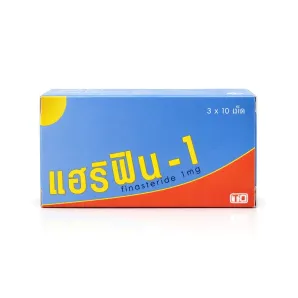 Harifin
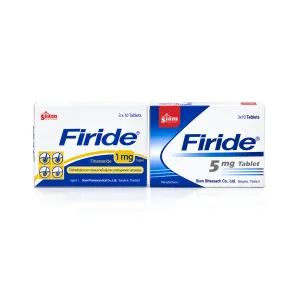 Firide
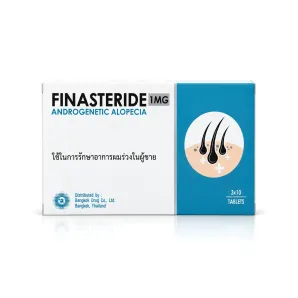 Finasteride
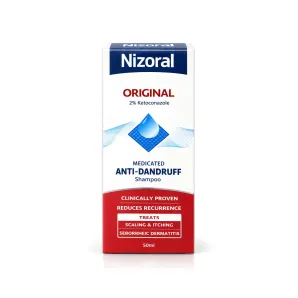 Nizoral Shampoo
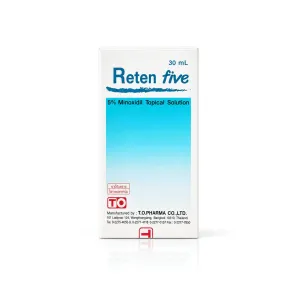 Reten Five
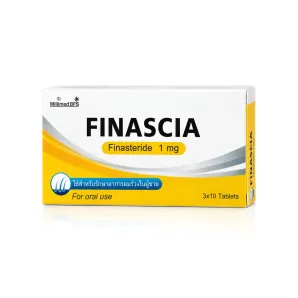 Finascia
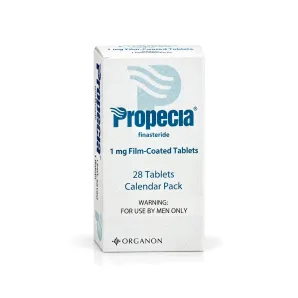 Propecia