
Skip to content
Intimo LifeIntimo Life
0

Weight Loss Pen Treatmeent

Start or continue your journey to a better shape with effective, clinically approved weight loss aids from brands you trust.

Lose weight with proven, clinically approved aids such as Mounjaro, Wegovy, and Alli. Receive personalized ongoing care with regular follow-ups and the ability to message experts for advice. Get your products on time with fast delivery service or pick them up for free at the pharmacy.

Weight Loss Treatment

ข้อมูลผลิตภัณฑ์ลดน้ำหนัก

มีตัวช่วยลดน้ำหนักแบบต้องใช้ใบสั่งยาหลายรูปแบบให้เลือก ทั้งแบบ ยาเม็ด และแบบ ปากกาลดน้ำหนัก (injectable pen) ขึ้นอยู่กับความสะดวกและความเหมาะสมของแต่ละคน โดยการใช้ยากลุ่มนี้ควรทำควบคู่กับการปรับไลฟ์สไตล์ให้สุขภาพดี เพื่อช่วยให้ไปถึงเป้าหมายเรื่องน้ำหนักได้จริง

การใช้ยาลดน้ำหนักจะเห็นผลได้ดีเมื่อทำร่วมกับ การกินอาหารที่เหมาะสม และ เพิ่มกิจกรรมทางกาย/การออกกำลังกาย เพราะร่างกายแต่ละคนตอบสนองต่อยาไม่เหมือนกัน จึงไม่มี “ระยะเวลาตายตัว” ว่าจะต้องเห็นผลเมื่อไหร่ แนะนำให้ปรึกษาผู้เชี่ยวชาญด้านสุขภาพเพื่อประเมินเป้าหมายที่เป็นไปได้และเหมาะกับตัวเอง

ยาฉีดลดน้ำหนัก (ปากกาลดน้ำหนัก)

ยาฉีดลดน้ำหนักเป็นตัวช่วยแบบต้องใช้ใบสั่งยา ที่ออกแบบมาเพื่อสนับสนุนการลดน้ำหนัก ปัจจุบันเรามี ปากกาลดน้ำหนัก Wegovy, Mounjaro และ Nevolat ในรูปแบบปากกาฉีดสำเร็จรูป (pre-filled pen) ใช้งานง่าย

Mounjaro

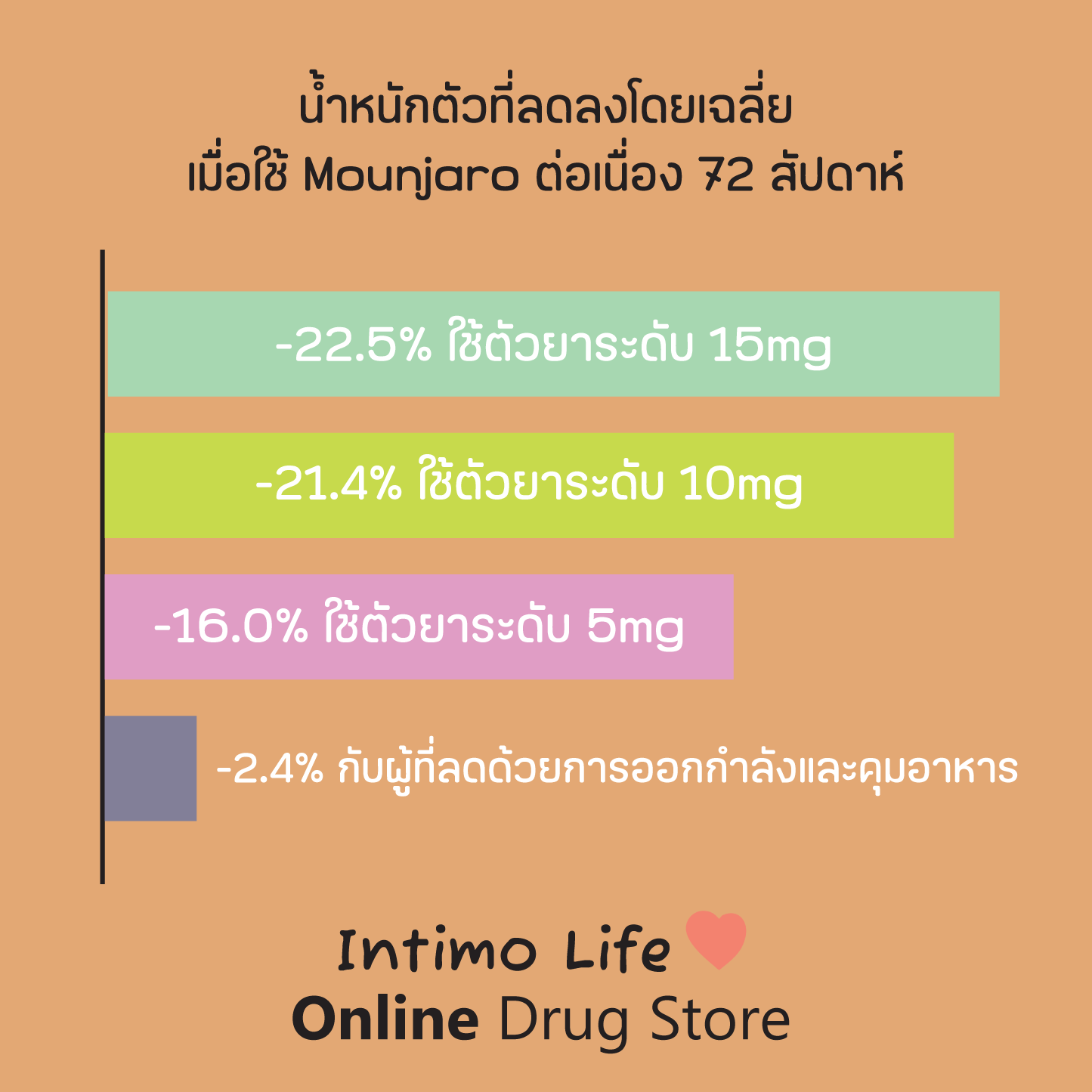
ปากกาลดน้ำหนัก Mounjaro เป็นยาฉีดแบบสัปดาห์ละครั้ง มีตัวยาสำคัญคือ Tirzepatide โดยทำงานคล้ายกับ Wegovy ในแง่ที่ช่วยลดน้ำหนักผ่านการ ลดความหิว และ ทำให้อิ่มนานขึ้น (ความอิ่มหลังมื้ออาหาร) กลไกหลักคือเลียนแบบฮอร์โมน 2 ชนิดในร่างกายที่ปกติจะหลั่งหลังรับประทานอาหาร ซึ่งส่งผลต่อการควบคุมความอยากอาหารและความอิ่มในทิศทางเดียวกัน

Wegovy

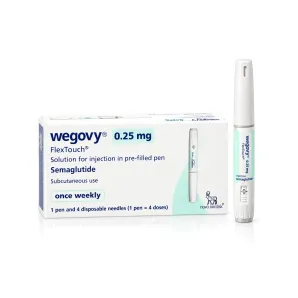
ปากกาลดน้ำหนัก Wegovy เป็นยาฉีดลดน้ำหนักแบบสัปดาห์ละครั้งที่มีตัวยาสำคัญคือ Semaglutide โดยทำงานเลียนแบบฮอร์โมนที่ส่งสัญญาณไปยังสมองส่วนที่ควบคุมความอยากอาหาร ช่วยให้คุณรู้สึกอิ่มเร็วขึ้นแม้ทานอาหารน้อยลง ซึ่งช่วยให้การลดน้ำหนักมีประสิทธิภาพ โดยผลการศึกษาพบว่าผู้ที่ใช้โดสสูงสุดอย่างต่อเนื่องสามารถลดน้ำหนักได้เฉลี่ยสูงสุดถึง 17%* ของน้ำหนักตัวเริ่มต้น

About Weight Loss Treatment

How Do Weight Loss Medications Work?

Weight loss medications work in various ways depending on the active ingredient and how your body responds. Generally, they support weight loss by:

  • Reducing appetite (helping you eat less without feeling deprived)
  • Slowing down digestion
  • Increasing feelings of fullness

Some types also reduce fat absorption from food or affect metabolism, making them suitable for those looking for weight loss aids alongside lifestyle changes.

Weight Loss Pens (Injectable Medications)

Overall, many weight loss pens work similarly but differ based on their active ingredients, such as liraglutide, semaglutide, and tirzepatide.

  • Liraglutide is a GLP-1 agonist that mimics the body’s GLP-1 hormone. It helps control hunger, making you feel full more easily, slows stomach emptying to prolong fullness, and helps regulate blood sugar levels, which may reduce cravings for sweets and overall appetite.
  • Semaglutide also mimics GLP-1 and affects the brain’s hunger control center, signaling fullness, controlling blood sugar, and reducing cravings. It is ideal for those focusing on appetite control for weight loss.
  • Tirzepatide works similarly to GLP-1 agonists in controlling hunger and reducing appetite but also mimics another hormone called GIP (from the small intestine), which may help the body better manage fat and sugar and is believed to enhance GLP-1’s effects.

Weight Loss Pills

Weight loss pills also have various mechanisms depending on their active ingredients.

  • Lipase inhibitors reduce fat absorption from food by blocking up to about 33% of fat absorption per meal. The unabsorbed fat is excreted in stool, supporting weight loss for those who find it hard to control fatty food intake.
  • Appetite suppressants work on the brain’s hunger control center to reduce appetite, curb snacking, and decrease cravings between meals, making calorie control easier. These are suitable for those focusing on managing cravings as part of their weight loss strategy.

Are Weight Loss Pens Safe?

Prescription weight loss medications are considered highly safe when obtained from reliable sources and used strictly according to instructions. Before approval by health authorities (such as the MHRA in the UK), these products—including all weight loss pens—must undergo rigorous testing and detailed clinical trials.

This process includes long-term studies to evaluate both efficacy and safety, identify possible side effects, and determine which groups should avoid the medication (e.g., those with certain medical conditions or on specific medications). Even after approval, regulatory bodies and experts continue to closely monitor the safety of these drugs.

Mounjaro

The Mounjaro weight loss pen is a popular choice for those seeking effective weight loss. It is generally prescribed for individuals with a body mass index (BMI) of 30 or higher, or 27 and above with weight-related health issues. Mounjaro was approved for weight loss use in the UK in November 2023 and is widely used under expert supervision to provide a safe and effective weight loss method for those who need it.

Wegovy

The Wegovy weight loss pen is an approved injectable medication for overweight or obese individuals. It has been officially approved and used within public health systems (such as the NHS) through specialized weight management services since September 2023. For those who meet the criteria, it is a trusted and internationally certified weight loss medication.

Side Effects of Weight Loss Medications

Like all medications, weight loss pens and oral weight loss pills may cause side effects, although not everyone will experience them. Below are the common side effects for each product:

Mounjaro

  • Nausea
  • Diarrhea
  • Vomiting
  • Constipation
  • Low blood sugar (especially when used to treat type 2 diabetes)
  • Abdominal pain

Wegovy

  • Nausea
  • Headache
  • Vomiting
  • Diarrhea
  • Constipation
  • Abdominal pain
  • Fatigue or tiredness

What Should I Do If I Experience Side Effects?

If you experience common, mild side effects, these symptoms usually gradually improve as your body adjusts to the medication. You can manage them at home with the following recommendations:

Managing Side Effects from Weight Loss Pens

Nausea and vomiting are common side effects of weight loss pens, which can be managed by:

  • Eating smaller, more frequent meals and avoiding greasy, fried, spicy, or high-fat foods. Eating easily digestible foods like soup can help.
  • Drinking plenty of water, especially if vomiting, to prevent dehydration.
  • Getting enough rest.

Headaches are another common side effect, often managed by taking over-the-counter pain relievers, drinking plenty of water, and resting.

Managing Side Effects from Oral Weight Loss Pills

Common side effects of some weight loss pills (such as fat absorption inhibitors) include oily stools or increased urgency to use the bathroom. You can reduce these symptoms by lowering fat intake and spreading fat consumption evenly across three meals.

If side effects significantly interfere with your daily life, it is recommended to consult a healthcare professional. They may consider adjusting your dosage to help your body gradually adapt to the medication, allowing you to continue your weight loss journey safely and effectively.

Who Are Weight Loss Medications Suitable For?

Generally, prescription weight loss medications are recommended for individuals with a BMI over 30, or over 27–28 with certain health conditions (depending on the medication type and specific guidelines).

Some pre-existing medical conditions or medications may interact with weight loss pens or oral weight loss pills, reducing effectiveness or causing safety concerns. Therefore, it is essential to consult a healthcare professional before starting treatment and provide accurate and honest information. Using an unsuitable medication may lead to severe symptoms or dangerous side effects.

Contraindications and Precautions

Consult a healthcare professional before using any weight loss medication, especially if you have:

  • Liver or kidney problems
  • Inflammatory bowel disease (IBD)
  • Thyroid disorders
  • Heart conditions
  • Epilepsy or a history of seizures
  • Anxiety or other mental health issues
  • Chronic malabsorption syndrome

Weight loss medications are not suitable for:

  • Individuals under 18 years old
  • Pregnant or breastfeeding women
  • Those allergic to any ingredients in the medication

Some medications may interact with weight loss drugs, affecting their action or increasing safety risks. Always inform your healthcare provider if you are taking other medications, especially:

  • Anti-epileptic drugs
  • HIV medications
  • Psychiatric medications
  • Heart medications such as amiodarone
  • Blood thinners like warfarin
  • Thyroid hormone replacements such as certain iodine salts
  • Diabetes medications
  • Parkinson’s disease treatments (especially monoamine oxidase inhibitors)
  • Opioids
  • Steroids
  • Malaria treatments
  • Antibiotics
  • Asthma medications such as theophylline

Tips to Help You Successfully Lose Weight

Using weight loss medications or weight loss pens can be effective tools for managing your weight. However, to achieve the best and most sustainable results, you should exercise regularly alongside choosing a nutritious and balanced diet.

Exercise

Exercise is a crucial part of weight loss because physical activity helps burn calories. Typically, excess energy from food is stored as fat. If you consume more than you use, your weight increases. The body needs to engage in activities to use up that energy. Exercise also helps prevent and manage health issues such as diabetes and supports long-term weight loss goals.

Exercise Recommendations:

  • Moderate intensity: At least 150 minutes per week, such as dancing, cycling, brisk walking, or hiking.
  • High intensity: Alternatively, 75 minutes per week, such as running or circuit training.
  • Strength training: Include balance exercises and strength training at least twice a week, such as weightlifting, yoga, or tai chi.

Diet

Diet is the heart of weight loss. It is recommended to create a calorie deficit by reducing your daily calorie intake by about 600 calories. On average, women should not exceed 1,400 calories per day, and men should not exceed 1,900 calories per day.

Foods to Increase:

  • A variety of fresh vegetables and fruits
  • Low-fat proteins such as white meat (chicken/fish) and eggs
  • Complex carbohydrates like brown rice or potatoes
  • Healthy fats such as avocado, nuts, and seeds
  • Low-fat dairy products like plain yogurt

Foods to Avoid or Limit:

  • High-sugar foods and drinks such as sweets and chocolate
  • High-fat foods, especially saturated fats, fried foods, and snacks
  • White bread
  • Alcoholic beverages

Combining behavioral changes in diet and exercise with the use of weight loss medications under proper supervision is a weight loss method that can help you confidently achieve a healthier body and lifestyle.

Weight Loss Surgery

Weight Loss Surgery

Weight loss surgery is another effective method to help you lose weight, but it is usually considered as an option after other weight loss methods have been tried without sufficient results. This surgery is suitable for those who struggle to lose weight through conventional methods.

Common types of weight loss surgery include:

  • Gastric Banding: Using a band to wrap around the upper part of the stomach to reduce food intake and increase feelings of fullness quickly.
  • Gastric Bypass: Creating a new digestive pathway by connecting the upper stomach directly to the small intestine, reducing calorie absorption and increasing satiety.
  • Sleeve Gastrectomy: Removing a portion of the stomach to reduce its size, directly limiting the amount of food you can eat.

These surgeries support weight loss by reducing stomach size, making you feel full with less food and helping control calorie intake more easily. However, it is still important to choose nutritious foods to ensure your body receives adequate nutrients.

Criteria for Considering Weight Loss Surgery

You may be a candidate for surgery if you are healthy enough to undergo the procedure and meet the following criteria:

  • Severe obesity with a BMI over 40
  • Obesity with a BMI over 35 along with certain health problems
  • In cases where BMI is over 50, surgery may be considered immediately

Like any surgery, there are some risks involved, but it is generally safe when performed under expert guidance. Surgery may not be suitable for everyone, so consulting to find the most appropriate weight loss method for your body—whether it’s weight loss medications, weight loss pens, or surgery—is very important.

Dispatched within 24 hrs

Order today for fast delivery. No long waits—ready to ship locally.

100% Authentic

Handpicked authentic products with certified standards.

Discreet Shipping

Plain packaging, no product names. Your privacy is our priority.

Affordable prices

Fair prices, exceptional value. Quality you can choose.

Recently viewed products

Cart 0

Your cart is currently empty.

Start Shopping