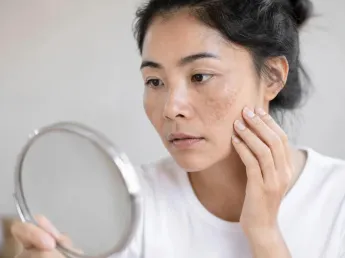
Looking for the right melasma treatment starts with understanding the condition. Melasma is a skin condition marked by brown, dark brown, or blue-gray patches, usually appearing on sun-exposed areas such as the cheeks, nose, forehead, and above the upper lip. It typically appears symmetrically on both sides of the face.
It happens when melanocytes (pigment-producing cells) become overactive and deposit excess melanin in the skin. The main triggers are sunlight (including UV that passes through window glass and blue light from screens) and hormonal changes.
Melasma isn't medically harmful, but it can affect confidence, and tends to be harder to fade than expected — because it easily returns if sun protection isn't maintained consistently.
Types of Melasma — Epidermal, Dermal, and Mixed
Dermatologists classify melasma by pigment depth, typically assessed with a Wood's lamp examination:
Epidermal melasma — pigment sits in the upper skin layer, appears clearly brown with sharp borders, and responds best to treatment.
Dermal melasma — pigment reaches the deeper dermis, appears blue-gray or purplish with blurred borders, and is harder and slower to treat.
Mixed melasma — the most common type, combining both shallow and deep pigment, usually requiring a combination of treatments.
Knowing the type before starting treatment matters — dermal melasma responds far more slowly to topical creams and sometimes needs oral medication or additional procedures.
What Triggers Melasma — Sunlight and Hormones
Two major factors drive melanocyte overactivity:
Sunlight and light exposure
UVA/UVB rays directly stimulate pigment production. Even light passing through window glass or blue light from screens can contribute over time.
Hormones
Pregnancy (often called “the mask of pregnancy”), hormonal birth control, and hormone replacement therapy during menopause all raise melasma risk, since estrogen and progesterone directly stimulate melanocytes.
Other contributing factors
Genetics (family history of melasma), heat, skin inflammation, and certain cosmetics or fragrances that increase photosensitivity.
Sun Protection — The Most Important Foundation of Melasma Treatment
Whether you use a topical cream, oral medication, or laser, melasma won't fade properly — and is likely to return darker — without strict sun protection.
Daily sun protection habits
Use broad-spectrum sunscreen protecting against both UVA and UVB, SPF 30 or higher, reapplied every 2-3 hours when outdoors.
Choose a sunscreen with blue-light protection if you spend long hours in front of screens.
Wear a wide-brimmed hat, sunglasses, and avoid direct sun between 10 a.m. and 4 p.m. when possible.
Reapply even indoors or in the car, since UVA rays penetrate glass.
Many dermatology experts emphasize that consistent sun protection is the single factor that determines whether melasma treatment works — even more than which medication is chosen.
Topical Creams for Melasma — How to Use Them Effectively
Topical creams are usually the first-line treatment dermatologists recommend, since they act locally and carry fewer side effects than oral medication or procedures.
Common active ingredients in melasma creams
Azelaic acid — reduces abnormal pigment production and has mild anti-inflammatory effects, suitable for sensitive skin and safe for longer-term use.
Hydroquinone — directly inhibits the pigment-producing enzyme; potent, and duration of use should follow guidance.
Retinoids — speed up skin cell turnover, helping accumulated pigment shed faster; often combined with other ingredients.
Vitamin C and antioxidants — support results and help protect skin from sun damage.
For best results: apply a thin layer to affected areas as directed (usually once or twice daily), continue for at least 8-12 weeks before expecting visible improvement, and always pair with sun protection. If irritation occurs, reduce frequency or consult a pharmacist or doctor. Browse more melasma care products here.
💡 Read more: Azelaic acid topical cream for targeted spot treatment — See product details
Oral Medication for Melasma — How Much Does Tranexamic Acid Help?
Tranexamic acid was originally used to control bleeding, but has been found to help fade melasma in some cases — particularly hormone-responsive melasma or melasma that doesn't respond to topical treatment alone.
The proposed mechanism: it reduces melanocyte stimulation through pathways linked to skin capillaries, indirectly decreasing pigment production.
What to know before use
Usually combined with topical creams and sun protection — not used alone as a substitute for basic care.
Dosage and duration should be individualized with proper guidance.
Anyone with a history of abnormal blood clotting should always inform their doctor or pharmacist before use.
Results vary by individual — some notice change within 2-3 months, others need longer.
Laser treatment is an option when topical creams and oral medication aren't sufficient, or when melasma is dermal/mixed type and responds slowly to topical treatment alone.
Commonly used lasers include Q-switched lasers, picosecond lasers, and fractional lasers, each suited to different pigment depths and melasma types.
Important cautions
Laser treatment for melasma must be performed only by a qualified dermatologist or laser specialist, since incorrect energy settings can worsen pigmentation (post-inflammatory hyperpigmentation).
Strict sun protection is required both before and after treatment.
Multiple sessions are usually needed, and topical creams may still be required to maintain results.
It is not typically a first-line option for general melasma — doctors usually recommend trying topical creams or oral medication for at least 3-6 months first.
Comparison Table: Topical Creams vs Oral Medication vs Laser
Approach
Best for
Time to see results
Key caution
Topical cream (azelaic acid, etc.)
Epidermal melasma, first step in every case
8-12 weeks
Requires consistent use + sun protection
Oral medication (tranexamic acid)
Hormone-responsive or cream-resistant melasma
2-3+ months
Needs individualized guidance
Laser
Dermal/mixed melasma unresponsive to other methods
Multiple sessions over several months
Must be done by a qualified specialist only
Melasma vs Freckles — What's the Difference
Many people confuse melasma with freckles since both appear as dark facial spots, but there are key differences:
Appearance: melasma forms broad patches with blurred borders, while freckles are small, scattered spots with sharp borders.
Cause: melasma is primarily linked to hormones and sun exposure, while freckles are more linked to genetics and cumulative sun exposure since childhood.
Location: melasma usually appears symmetrically on both sides of the face, while freckles can scatter across the face and body without symmetry.
Treatment: approaches overlap (sun protection, topical creams, laser), but response differs — freckles typically respond to laser faster and more predictably than melasma.
If you're unsure whether a spot is melasma or freckles, have a dermatologist diagnose it before starting treatment, since the right approach can differ.
When to See a Dermatologist
Most melasma can be managed with basic self-care, but see a dermatologist when:
Melasma doesn't fade after 2-3 months of consistent topical treatment and sun protection.
Pigmentation darkens unusually fast or changes in appearance, such as irregular borders or unusually dark color.
You're considering oral medication or laser treatment, which should be evaluated and monitored by a doctor.
You experience redness, itching, or irritation from products used.
You're pregnant or breastfeeding and need a treatment approach suited to your situation.
You're unsure whether a dark spot is melasma, freckles, or another skin condition requiring differential diagnosis.
A dermatologist can identify the melasma type (epidermal/dermal/mixed) and design a treatment plan suited to your skin and lifestyle.
Frequently Asked Questions
Melasma can fade significantly, often to the point of being barely visible, but in many cases it isn't permanently “cured” since it tends to return without continued sun protection. Long-term maintenance is just as important as initial treatment.
In many cases, pregnancy-related melasma fades on its own within a few months after delivery as hormone levels normalize. Some cases don't fully clear and need further treatment. Consult a doctor before choosing any treatment during pregnancy or breastfeeding.
Generally at least 8-12 weeks of consistent use before visible improvement appears, and sun protection must be maintained throughout. Stopping sun protection can reverse progress.
Evidence suggests it can help fade melasma in many people, especially combined with topical creams and sun protection. Results vary by individual, and it should be used with guidance on appropriate dosage and duration — particularly for those with a history of abnormal blood clotting.
Laser can reduce melasma intensity in many cases but doesn't guarantee a permanent cure, and carries a risk of worsening pigmentation if performed by an inexperienced provider or without proper post-treatment sun protection. It should only be done by a qualified specialist and usually requires multiple sessions.
Melasma usually forms broad patches with blurred borders, appearing symmetrically on both sides of the face. Freckles are small, scattered spots with sharp borders. If unsure, have a dermatologist diagnose it before choosing treatment, since the two respond differently.
Epidermal melasma responds well to topical creams and shows faster results, while dermal melasma usually takes longer and may need oral medication or laser as well. A doctor's assessment (such as with a Wood's lamp) helps plan more accurate treatment.
Wear broad-spectrum sunscreen SPF 30+ every day, reapply every 2-3 hours outdoors, wear a hat and sunglasses, avoid excess heat and skin inflammation, and maintain consistent skincare even after melasma fades to reduce the chance of recurrence.
⚠️ Disclaimer
The information on this page is for general informational purposes only and is not intended to replace professional medical advice, diagnosis, or treatment from a qualified doctor or pharmacist. If you have any questions about your symptoms or medication, always consult a doctor or pharmacist first.


 Metronidazole
 Vilerm
 Firide
 Gofen
Gofen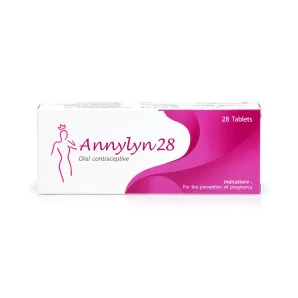 Annylyn
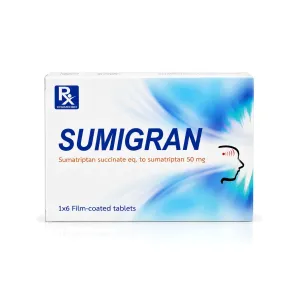 Sumigran
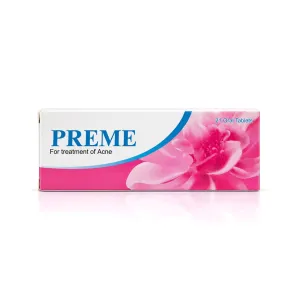 Preme
Preme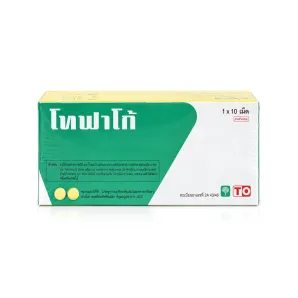 Tofago
 B-Ciprofloxacin
 Tansy One
 Enaril
 Nasonex