The Right Eye Drop for Your Symptom — Not Just a Guess
Dry eyes, redness, or discharge disrupt daily life — the wrong eye drop may not help. Intimo Life gathers the eye drops you need, matched to your symptom.
💊 From artificial tears for mild dryness, to eye gel for severe dryness, to antibiotic ointment for infection. Follow label directions and check with a pharmacist.
👨⚕️ Consult a pharmacist online instantly — no travel, no queues, completely private and convenient.
🚚 Fast, confidential delivery — plain packaging with no product names on the outside, delivered safely to your door.
For everyday dryness, pick artificial tears — gentle enough to use often without blurring vision. For severe dryness or nighttime use, choose a higher-viscosity eye gel instead. Red eyes with thick discharge may signal infection — ask a pharmacist about antibiotic ointment before self-treating, and avoid using it beyond 5-7 days without medical advice.
🛒 Shop the range above · 24-hour dispatch from Intimo Life — consult a pharmacist if unsure.
Eye drops cover common eye problems — dryness, irritation, redness, and infection. Each type works differently, so matching the product to the symptom matters more than picking a familiar name.
📊 Key clinical facts:
Dry eye affects up to 30% of adults, especially heavy screen users.
Most conjunctivitis (red eye) is viral, not bacterial; bacterial cases show thicker discharge.
Preservative-free tears suit anyone dosing more than 4 times a day.
💊 At Intimo Life, eye drops and ointments fall into 3 main categories:
Artificial Tears — everyday dryness; gentle enough for frequent use.
Eye Gel — thicker, longer-lasting; for severe dryness or nighttime.
Antibiotic Ointment — for infection; use under pharmacist guidance.
⚠️ Severe pain, sudden blurred vision, or no improvement within 2-3 days — stop self-treating and see an eye doctor.
Medically reviewed by
ทีมเนื้อหา Intimo Life | Supatcheree A., Pharmacist
How Many Types of Eye Drops Are There, and How Do You Choose?
Match the eye drop to the symptom, not to a familiar name. Use these three starting points before you buy.
Mild, occasional dryness or stinging → choose artificial tears, gentle enough to use often through the day without blurring vision.
Severe dryness or grittiness on waking → choose eye gel, a thicker formula that stays on the eye longer, best used before bed.
Redness with thick discharge, possible infection → ask a pharmacist about antibiotic ointment before self-treating.
If your symptoms don't fit cleanly into one category, keep recurring, or you're simply unsure, talk to a pharmacist or eye doctor instead of guessing.
Which Eye Drops Are Best for Dry Eyes?
Dry eye happens when the eye makes too few tears or the tears evaporate too fast — common with long screen time, air-conditioned rooms, or simply getting older. Artificial tears are always the first choice.
For mild to moderate dryness, use 3-4 times daily — such as Vislube, a preservative-free formula suited to frequent use.
For a bottle that lasts through the day, Cellufresh comes in convenient single-dose vials.
If regular artificial tears still leave your eyes gritty each morning, it may be time to step up to a thicker eye gel instead.
Artificial Tears vs Eye Gel — Which Eye Drops Fit You?
Both are types of eye drops for dryness, but they differ in viscosity and how long they stay on the eye's surface.
Artificial tears — thin and quick-absorbing, ideal for frequent use during the day or while working.
Eye gel, such as Vidisic Eye Gel — thicker and longer-lasting, better suited to severe dryness or bedtime use since it won't need reapplying while you sleep.
One caution: eye gel can blur vision briefly after use, so avoid it right before driving or close-focus tasks. Browse the full range at our artificial tears collection.
When Should You Use Antibiotic Eye Ointment?
Antibiotic eye ointment, such as Terramycin, treats bacterial eye infections only — it is not an everyday dry-eye drop.
Best suited to red eyes with thick yellow-green discharge, or eyelids stuck together on waking.
Apply a thin strip to the lower eyelid as directed by a pharmacist, typically 2-4 times daily.
Avoid using it for more than 5-7 days without medical advice. If an infection is severe enough that a doctor also prescribes oral antibiotics, always finish the full course exactly as directed.
Does Red Eye Always Need Antibiotics?
Not always. Most red eye is caused by a virus or an allergy, neither of which responds to antibiotics at all.
Viral red eye usually brings clear, watery discharge, mild itching, and clears on its own within 1-2 weeks.
Allergic red eye tends to be very itchy, affects both eyes, and comes with other allergy symptoms.
Bacterial red eye causes thick, sticky discharge and eyelids stuck together in the morning — this is the only group that responds to antibiotic ointment.
If you're not sure which one you have, check with a pharmacist before buying antibiotic ointment on your own.
Preserved vs Preservative-Free Artificial Tears — What's the Difference?
Preservatives let a bottle of artificial tears last for weeks after opening, but frequent use can irritate some eyes.
Preserved formulas — larger bottles, usable for 4-6 weeks once opened; fine for people instilling drops up to 4 times a day.
Preservative-free formulas — single-use vials, better for anyone dosing more than 4 times daily, contact lens wearers, or eyes sensitive to preservatives.
Neither is universally "better" — it depends on how often you use drops and how sensitive your eyes are. If preserved tears ever sting, switching to a preservative-free formula is worth trying.
Can You Use Eye Drops While Wearing Contact Lenses?
Yes, but the type matters and so does timing.
Most preservative-free artificial tears are safe with lenses in or out, but always check the label first.
Some preserved formulas can build up on lens material — remove lenses before instilling, then wait 15-20 minutes before putting them back in.
Antibiotic ointment — always remove contact lenses during an active eye infection, and don't wear them again until symptoms have fully cleared.
If you're unsure whether a specific eye drop is lens-safe, ask a pharmacist before buying.
Preserved artificial tears are generally fine 3-4 times a day; if you need them more often, switch to a preservative-free version. Eye gel is usually only needed 1-2 times daily since it lasts longer. Use antibiotic ointment only at the frequency a pharmacist recommends — don't increase it yourself.
Artificial tears and eye gel are generally safe for children and pregnant women, since very little is absorbed into the body — preservative-free versions suit young children best. Antibiotic ointment should always be checked with a doctor or pharmacist first, especially for children under 2.
Multi-dose preserved artificial tears are typically good for 4-6 weeks after opening — write the open date on the bottle. Preservative-free single-dose vials must be used and discarded the same day; never save them since there's no preservative to stop contamination. Finish opened antibiotic ointment within the timeframe on the label.
Space each eye product at least 5-10 minutes apart so one doesn't wash the other off the eye before it can work. If you're using both artificial tears and antibiotic ointment, apply the tears first and the ointment last — ointment coats the eye's surface and can block absorption of anything applied after it.
It's not recommended without checking first — most red eye is viral or allergic, and antibiotics won't help either of those. Using the wrong treatment can also contribute to antibiotic resistance over time. Talk to an online pharmacist to assess your symptoms before buying, especially if it's your first episode or worse than usual.
Follow the 20-20-20 rule — every 20 minutes, look at something 20 feet away for 20 seconds — to reduce strain and encourage blinking. Use artificial tears when eyes feel gritty, match screen brightness to the room, and keep the screen an arm's length away. Screen dryness usually improves once habits and eye drops are combined.
Seek urgent eye care for severe eye pain, sudden blurred vision, extreme light sensitivity, new flashes of light or floaters, red eye with fever, or symptoms that don't improve within 2-3 days. These can signal something more serious than ordinary dryness or redness, and self-treating further may only delay diagnosis.
Order directly through this Intimo Life collection page online. You can always consult a pharmacist first if you're unsure which product matches your symptoms. Delivery is fast and confidential, with plain packaging that doesn't reveal what's inside — ideal if getting to a pharmacy isn't convenient or you simply want privacy.
Dispatched within 24 hrs
Order today for fast delivery. No long waits—ready to ship locally.
100% Authentic
Handpicked authentic products with certified standards.
Discreet Shipping
Plain packaging, no product names. Your privacy is our priority.
Affordable prices
Fair prices, exceptional value. Quality you can choose.
Sign Up and Get 10% Off your first purchase.
Become a member of our store to receive news and exclusive discounts.



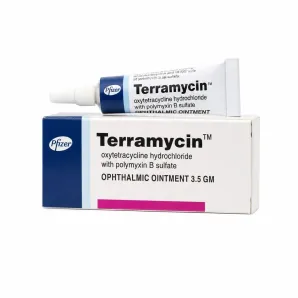 Terramycin Ointment Ophthalmic Antibiotic Eye Ointment 3.5g
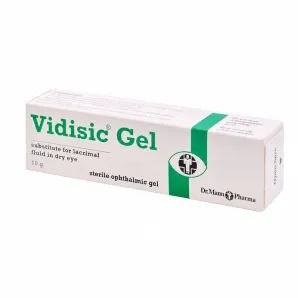 Vidisic Eye Gel (Carbomer Ophthalmic Gel) 10g
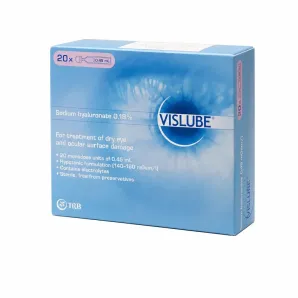 Vislube 0.45ml 20 Vials
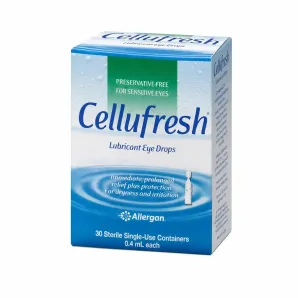 Cellufresh Artificial Tears 30 Vials