Antibiotics kill or stop bacteria. Intimo Life stocks two main classes — Penicillins (Amoxicillin: AMK, Augmentin) for tonsils, lungs, and skin, and Fluoroquinolones (Ciprofloxacin: Cifloxin, Cobay-500) for UTIs. Different drugs for different infections. They don't work on viruses. Always check with our pharmacist first.
Antibiotics are medicines that kill or inhibit bacteria. They mainly split into Penicillin drugs like Amoxicillin and Fluoroquinolone drugs like Ciprofloxacin, each working differently. Amoxicillin suits tonsil, sinus, skin, and dental infections, while Ciprofloxacin suits urinary tract and intestinal infections. Both must be taken for the full course, and a pharmacist should be consulted first.
🛒 Shop the range above · 24-hour dispatch from Intimo Life — consult a pharmacist if unsure.
Antibiotics come in many classes. Intimo Life stocks two main groups — Penicillins (Amoxicillin: AMK, Augmentin) and Fluoroquinolones (Ciprofloxacin: Cifloxin, Cobay-500), all Thai FDA-registered.
📊 Amoxicillin peaks in 1-2 hours, treating tonsillitis, sinusitis, skin, and dental infections.
📊 Ciprofloxacin covers gram-negative bacteria better, used for UTIs (cystitis) and gut infections.
💊 Amoxicillin 500mg every 8 hours; Ciprofloxacin 500mg every 12 hours. Always finish the course.
⚠️ Ciprofloxacin has a black-box warning for tendon rupture and is contraindicated in children, adolescents, and pregnancy. Check with a pharmacist first.
Each class works differently. Misuse fuels resistance. Always check with a pharmacist first.
Amoxicillin vs Ciprofloxacin — Which to Choose
Different classes, different infections.
Amoxicillin (Penicillin) — tonsillitis, strep throat, pneumonia, sinusitis, ear, dental, and skin infections. 500mg every 8 hours. Avoid if penicillin-allergic.
Ciprofloxacin (Fluoroquinolone) — UTIs (cystitis), gut infections, traveler's diarrhea, prostatitis. 500mg every 12 hours. Contraindicated in children, adolescents, pregnancy, and breastfeeding.
For tonsils or sinuses → Amoxicillin. For burning urination or UTI → Ciprofloxacin. Right diagnosis matters most. Always check with a pharmacist.
What Is Ciprofloxacin? Treating UTIs
Ciprofloxacin is a broad-spectrum Fluoroquinolone covering gram-negative and some gram-positive bacteria — especially strong against urinary infections.
Treats — cystitis, pyelonephritis, prostatitis, gut infections, traveler's diarrhea.
Dose — adult UTI 250-500mg every 12 hours for 3-7 days.
Take with water; avoid milk, yogurt, antacids (Mg/Al/Ca) — they block absorption.
For burning urination, frequent urination, or blood in urine, see a pharmacist before starting Cipro.
Amoxicillin vs Augmentin — When to Use Which
Both are penicillins; Augmentin adds an enzyme inhibitor for resistant bacteria.
AMK (Amoxicillin) — single ingredient, covers common bacteria, more affordable. For tonsillitis, sinusitis, skin, and dental infections. 500mg every 8 hours.
Augmentin (Amoxicillin + Clavulanic Acid) — Clavulanic Acid blocks beta-lactamase enzymes that destroy Amoxicillin. For resistant strains, recurrent ear or sinus infections. 625-875mg every 8-12 hours.
Start with AMK for general infections. If it didn't work, the pharmacist may switch to Augmentin.
Safe Antibiotic Dose and Administration
The most important rule — finish the prescribed course, even if you feel better.
Amoxicillin, adult — 500mg every 8 hours or 1g every 12 hours, for 5-7 days.
Augmentin, adult — 625mg every 8 hours or 875/125mg every 12 hours.
Ciprofloxacin, adult — 250-500mg every 12 hours for 3-14 days.
Amox/Augmentin — with or without food.
Ciprofloxacin — drink plenty of water; avoid milk, yogurt, cheese, antacids — Ca/Mg/Al cut absorption by 50%.
Never share antibiotics.
Missed dose — take it when you remember. If close to next, skip it. Never double up.
Side Effects and Warning Signs
Common side effects:
Amoxicillin / Augmentin — nausea, diarrhea, indigestion, mild rash. Augmentin can cause hepatitis in older adults.
Tendon pain, especially Achilles → rupture risk from Ciprofloxacin; stop immediately (FDA black-box warning)
Penicillin-allergic patients must avoid AMK/Augmentin. Anyone with prior tendon issues must avoid Cipro.
Who Should Avoid + Resistance + Storage
Contraindications by class
Amox/Augmentin — penicillin or cephalosporin allergy, kidney/liver disease. Pregnancy Cat. B.
Ciprofloxacin — strictly avoid in children/adolescents under 18, pregnancy, breastfeeding, and QT prolongation.
Resistance — WHO warns it could kill 10 million annually by 2050. Prevent by finishing the full course, never reusing leftovers, never sharing.
Storage — below 25°C, away from sun/moisture. Augmentin syrup, once mixed, lasts 7 days refrigerated. Intimo Life stocks Thai FDA-registered AMK, Augmentin, and Cifloxin, with a pharmacist on hand. Buy antibiotics online at Intimo Life — safe, nationwide.
⚠️ Disclaimer
The information on this page is for general informational purposes only and is not intended to replace professional medical advice, diagnosis, or treatment from a qualified doctor or pharmacist. If you have any questions about your symptoms or medication, always consult a doctor or pharmacist first.
Cystitis/UTI symptoms — painful, burning, frequent, low-volume urination — are treated with Cifloxin, B-Ciprofloxacin, or Cobay-500 (Ciprofloxacin 500mg) every 12 hours for 3-7 days. Drink plenty of water. Avoid in children and pregnancy. If you have fever, back pain, or blood in urine, see a doctor immediately.
No — Thai patients often confuse them. Antibiotics like Amoxicillin and Ciprofloxacin treat bacterial infections, while anti-inflammatories like NSAIDs (Ibuprofen, Mefenamic Acid) reduce pain and inflammation. They are different drugs for different problems. Don't swap them.
Different classes, different infections. Amoxicillin (Penicillin) treats tonsillitis, pneumonia, sinusitis, skin, and dental infections. Ciprofloxacin (Fluoroquinolone) excels at UTIs and gut infections. Amox is contraindicated in penicillin allergy; Cipro in children, adolescents, and pregnancy, with a tendon-rupture black-box warning. The pharmacist chooses by bacteria and patient.
Usually no — 80-90% of colds and sore throats are viral, and antibiotics don't help. Misuse fuels resistance. The exception is strep throat (Streptococcus), which needs Amoxicillin — but requires a doctor's diagnosis. If you have a sore throat with high fever for more than 3 days, see a doctor first.
The FDA's highest-level warning for Ciprofloxacin covers tendon rupture, especially the Achilles tendon — most common in older adults, steroid users, and transplant patients. If you get tendon pain or swelling during treatment, stop the drug, rest the joint, and see a doctor. Avoid Cipro if you've had tendon problems before. The FDA also warns about peripheral neuropathy and aortic aneurysm.
Yes — always finish the prescribed course, even if you feel better in 2-3 days. Stopping early lets bacteria become resistant, making future treatment harder. WHO and NHS UK recommend taking exactly as prescribed. Applies to both Amoxicillin and Ciprofloxacin.
Possibly — Amoxicillin can reduce hormone absorption; Ciprofloxacin has fewer interactions but still warrants caution. Pregnancy risk is small, but the safe approach is to use condoms as backup during treatment and for 7 days after stopping. If you're worried, ask a pharmacist about non-hormonal contraception alternatives.
Amoxicillin and Augmentin are safest (Pregnancy Cat. B), used when needed under a doctor's care. Ciprofloxacin is strictly contraindicated in pregnancy and breastfeeding due to fetal bone risk. For pregnant women with UTIs, doctors typically use Cephalexin or Nitrofurantoin instead. Doxycycline and Tetracycline are also contraindicated. Always tell the pharmacist you're pregnant.
Dispatched within 24 hrs
Order today for fast delivery. No long waits—ready to ship locally.
100% Authentic
Handpicked authentic products with certified standards.
Discreet Shipping
Plain packaging, no product names. Your privacy is our priority.



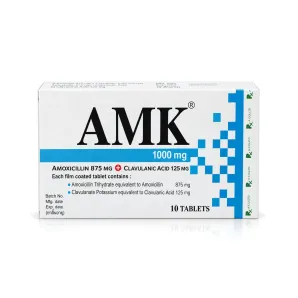 AMK
AMK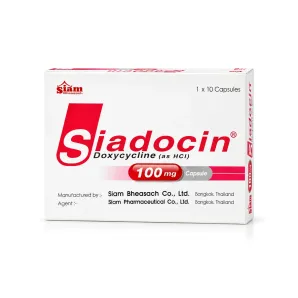 Siadocin
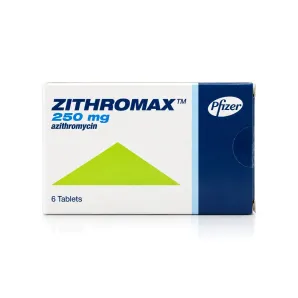 Zithromax
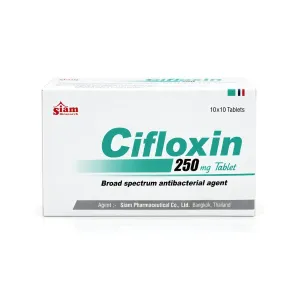 Cifloxin
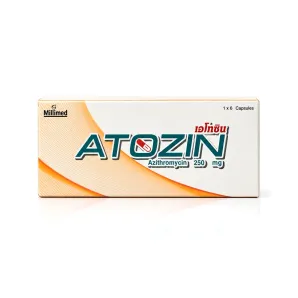 Atozin
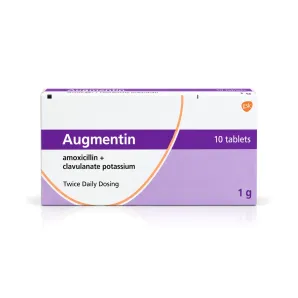 Augmentin
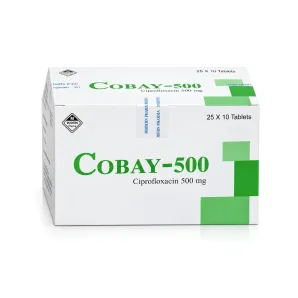 Cobay-500
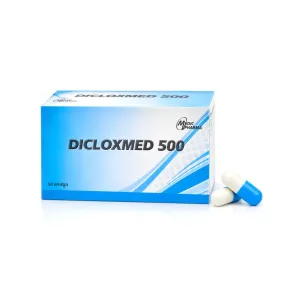 DICLOXMED
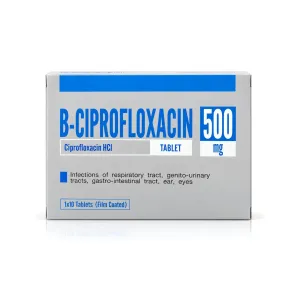 B-Ciprofloxacin
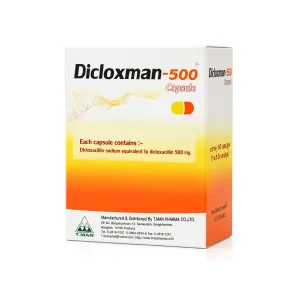 DICLOXMAN-500
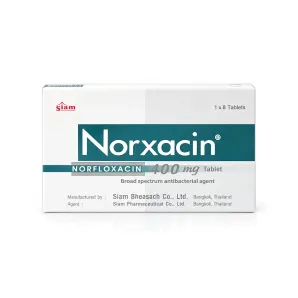 Norxacin
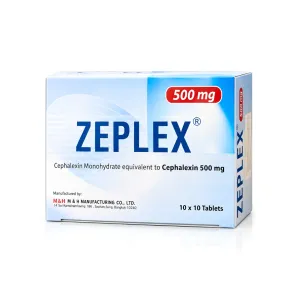 Cephalexin