

Melasma Treatment
Care for melasma, freckles and dark spots — inside and out
Melasma, freckles and dark spots appear when skin makes too much melanin, often triggered by sun, hormones and ageing. Intimo Life hand-picks treatments that work at the source for clearer, more even skin.
💊 We carry an oral treatment (tranexamic acid) that reduces pigment from within, plus a topical cream (azelaic acid) that fades surface dark spots — used alone or together as advised.
👨⚕️ Consult a pharmacist online instantly — no travel, no queues, completely private and convenient.
🚚 Fast, confidential delivery — plain packaging with no product names on the outside, delivered safely to your door.
Oral tablet or topical cream — which melasma treatment is right for you?
Melasma can be treated two ways: oral tranexamic acid reduces pigment formation from within, while azelaic acid cream fades melasma and dark spots on the surface. Deeper or long-standing melasma is often treated with both, alongside daily sunscreen. Ask a pharmacist before choosing.
🛒 Shop the range above · 24-hour dispatch from Intimo Life — consult a pharmacist if unsure.
Melasma is a patch of brown or grey-brown discolouration, usually on the cheeks, forehead and upper lip, caused by pigment cells (melanocytes) making too much melanin. It differs from freckles and post-acne dark marks (PIH).
📊 Key clinical statistics:
- Melasma affects women far more than men — up to 90% of cases, especially during pregnancy or hormonal therapy
- Sun (UV) is the top trigger; daily sunscreen significantly cuts the chance of melasma returning
- 20% Azelaic Acid cream fades melasma comparably to the standard agent Hydroquinone 4%, with less irritation
💊 Intimo Life's melasma treatments fall into two groups by how they work:
- Oral treatment — Tranexamic Acid (Falete-500) works from within, reducing signals that stimulate pigment cells. Suited to deep or long-standing melasma.
- Topical cream — Azelaic Acid (Skinoren) is applied to skin, inhibiting the tyrosinase enzyme — fading melasma, freckles and post-acne marks.
⚠️ Melasma is chronic and needs ongoing care. Results usually show after 8-12 weeks. Each medicine has different precautions — especially the oral tablet — so consult a pharmacist first.

Available Melasma Treatments
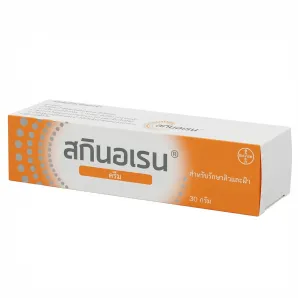 Skinoren
Azelaic Acid 20% treats acne & melasma
✓ In stock608.00 ฿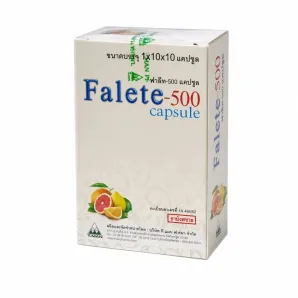 Falete-500
Reduces pigment from within, treats chronic melasma
✓ In stock365.00 ฿
About Melasma Treatment
What Causes Melasma? What Types Are There?
Melasma develops when pigment cells (melanocytes) make too much melanin. There are three main triggers: sun (UV), hormonal changes (pregnancy, the pill), and genetics.
Melasma is classified by pigment depth into three types:
- Epidermal — pigment sits in the upper layer, with sharp edges and a dark brown colour; responds best to treatment
- Dermal — pigment sits deeper, appearing blue-grey; harder to treat
- Mixed — a combination of both, and the most common type
Knowing your melasma type guides treatment: deeper melasma often needs an oral medicine, not just a cream.
How Does Azelaic Acid Cream Treat Melasma?
Azelaic Acid is a natural acid that treats melasma by inhibiting tyrosinase, the enzyme that makes melanin — reducing new pigment and gradually fading existing melasma.
A key strength is that it targets overactive pigment cells specifically, so it won't bleach surrounding skin — and it also reduces inflammatory acne and post-acne marks, ideal for people with both melasma and acne.
Apply a thin layer once or twice daily to affected areas. Mild stinging or light peeling can occur at first and usually settles as skin adjusts. See our Acne Treatments collection.
What Is Oral Tranexamic Acid for Melasma? Does It Work?
Tranexamic Acid was originally used to control bleeding but was later found to reduce melasma too. It lowers signalling between skin cells and pigment cells, cutting the melanin production triggered by sun and hormones.
Oral Tranexamic Acid suits deeper or long-standing melasma that creams cannot manage alone. Studies show it visibly fades melasma when used consistently over several weeks with daily sunscreen.
However, this oral medicine is not suitable for people with a history of blood clots, vascular disease, or who are pregnant. It should only be used under the guidance of a pharmacist or doctor.
Cream or Tablet — Which to Choose? Can I Use Both?
Choose based on the depth and severity of your melasma.
Shallow, recent, or mild melasma — start with the topical cream Skinoren (Azelaic Acid), applied to affected spots. It is gentle and can be used long term.
Deep, long-standing, or cream-resistant melasma — consider adding the oral treatment Falete-500 (Tranexamic Acid) to work from within.
The two can be used together and often work better than either alone. Have a pharmacist assess you first, especially before the oral tablet.
Which Melasma Cream Is Best? How to Choose?
A good melasma cream should contain an evidence-backed active ingredient, target pigment precisely, and cause little irritation.
At Intimo Life, the main melasma cream is Skinoren, with 20% Azelaic Acid — a concentration supported by studies. It helps with melasma, freckles and post-acne marks, good value for several concerns at once.
For more comprehensive treatment, it can be paired with the oral option Falete-500. For other inflammatory skin issues, see our Topical Dermatitis collection.
Sun-Induced vs Hormonal Melasma — What's the Difference?
Solar melasma comes from cumulative sun exposure, usually where sunlight hits directly like the cheeks and forehead. It is eased with consistent sunscreen plus a melasma cream.
Hormonal melasma is linked to hormonal changes such as pregnancy (called chloasma or the "mask of pregnancy") or contraceptive-pill use, and often appears as symmetrical patches across both cheeks.
Deeper hormonal melasma responds slowly to a cream alone, so adding an oral treatment can help — but avoid it during pregnancy.
Do I Need Sunscreen? How Do I Prevent Melasma?
Yes, sunscreen is essential. Treating melasma without it is like filling a leaking bucket — UV keeps triggering it to return.
Effective ways to prevent melasma:
- Apply SPF 30 or higher every day, reapplying every 2-3 hours when outdoors
- Wear a wide-brimmed hat, use an umbrella, and wear sunglasses in the sun
- Avoid strong midday sun between 10am and 4pm
With a melasma cream or oral treatment, this helps results last and reduces recurrence.
Where Can I Buy Melasma Treatments?
At Intimo Life, you can order melasma treatments online with a pharmacist consultation before use.
- Melasma cream Skinoren (Azelaic Acid) — for melasma, freckles and post-acne dark marks
- Oral melasma treatment Falete-500 (Tranexamic Acid) — for deep or long-standing melasma
Choose from the list above and chat with a pharmacist via LINE for a recommendation. Fast delivery, plain packaging, kept private.
⚠️ ข้อจำกัดความรับผิดชอบ
เนื้อหาในบทความนี้มีจุดประสงค์เพื่อให้ความรู้ทั่วไปเท่านั้น ไม่ได้มีเจตนาทดแทนคำแนะนำ การวินิจฉัย หรือการรักษาจากแพทย์หรือเภสัชกรผู้เชี่ยวชาญ หากมีข้อสงสัยเกี่ยวกับอาการหรือการใช้ยา ควรปรึกษาแพทย์หรือเภสัชกรก่อนเสมอ
References
- Melasma — Overview & Treatment — DermNet
- Melasma — StatPearls — NCBI Bookshelf
- Azelaic Acid — DermNet
- Azelaic Acid Topical — MedlinePlus (NIH)
- Tranexamic Acid — StatPearls — NCBI Bookshelf
Frequently Asked Questions
Melasma requires consistency. Most people begin to see changes after about 8-12 weeks of regular use of a melasma cream or oral treatment. Shallow melasma usually fades faster than deep melasma. Daily sunscreen is essential throughout. If there is no improvement after three months, consult a pharmacist to adjust your approach.
Azelaic Acid cream can be applied morning and night, once or twice daily, to clean dry skin. Use a thin layer on areas with melasma or dark spots. You can apply it across the face but avoid the eyes, corners of the mouth, and broken skin. If used in the morning, always follow with sunscreen to prevent melasma from returning.
Oral Tranexamic Acid is not recommended during pregnancy or breastfeeding because of blood-clot risk. Azelaic Acid cream is generally considered relatively safe in pregnancy, but always check with a pharmacist or doctor first — pregnancy-related melasma often fades on its own after delivery.
Mild stinging, redness or light peeling is common in the first one to two weeks as the skin adjusts. Reduce frequency to once daily or every other day, apply a moisturiser to help, and start with a small amount. If irritation is severe, with swelling or a widespread rash, stop use and consult a pharmacist.
Yes. Melasma is a chronic condition with a high chance of recurrence, especially with sun exposure or hormonal changes. Daily sunscreen is the single most important way to prevent it returning. Many people continue a low-level melasma cream to keep it under control. Ask a pharmacist about long-term maintenance.
Initial melasma treatment usually takes around 3-6 months before melasma fades noticeably. After that, many people move into a maintenance phase with a melasma cream and sunscreen. The oral treatment is typically used in courses as advised by a pharmacist or doctor and should not be taken long term without guidance.
Yes, and it is recommended. Sunscreen is the most important part of melasma treatment and should go on over the cream in the morning. Topical vitamin C can add brightening and antioxidant benefits and generally pairs well with Azelaic Acid. If your skin is sensitive, introduce one product at a time to check for irritation.
Extra caution is needed. Both oral Tranexamic Acid and combined hormonal contraceptives can raise the risk of blood clots, so using them together requires an individual risk assessment. Anyone on the contraceptive pill should always tell a pharmacist or doctor before starting the oral melasma treatment, for safety.
Become a member of our store to receive news and exclusive discounts.
Recently viewed products