What Is a Blind Pimple? How It Differs from Pustule, Comedone, and Cyst
A blind pimple under skin can be tricky to identify at first. Blind pimple is deep inflammatory acne that sits beneath the skin surface — no visible head. It presents as a firm, tender bump, red or skin-colored, commonly on the chin, jawline, cheeks, and forehead.
Comparing acne types
Acne Type
Appearance
Depth
Visible Head
Blind Pimple
Firm, tender bump
Deep under skin
No
Pustule
Raised with yellow/white head
Near surface
Yes
Comedone
Blackhead or small whitehead
Follicle opening
No pus
Cystic Acne
Large, soft, very painful
Very deep
No (fluid-filled)
Papule
Small, red, no pus
Mid-layer
No
Causes of Blind Pimples — Hormones, Sebum, Deep Bacteria
Blind pimples form through the same process as regular acne — but inflammation sits deeper, so no head appears.
3-step mechanism
Excess sebum — sebaceous glands overproduce oil, congesting the follicle
Dead skin cells clogging — shed cells don't clear, mix with oil, plug the follicle
Deep C. acnes bacteria — bacteria proliferate beneath the surface, triggering inflammation with no exit path
Common triggers
Hormones — menstrual cycle, pregnancy, stress-elevated cortisol stimulates sebaceous glands — primary driver of jaw and chin blind pimples
Oily / combination skin — larger pores that clog more easily
Comedogenic cosmetics — high-oil foundations and primers
Frequent face touching — hands, phones, pillows transfer bacteria and oil
Do this instead: warm compress + spot treatment + let it resolve — only 1-2 weeks with proper care.
How to Treat Blind Pimples Fast — Step by Step
Step 1: Warm compress — speeds resolution
Apply a warm (not hot) damp cloth to the pimple for 10-15 minutes, 3-4 times daily. Heat boosts circulation, reduces inflammation, and helps bring the pimple closer to the surface.
Step 2: Spot treatment
Choose based on severity:
Benzoyl Peroxide (BP) 2.5-5% — directly kills C. acnes bacteria; ideal for standard blind pimples. See Benzac
Adapalene 0.1% (Retinoid) — accelerates cell turnover, reduces clogging; suited for frequent recurrence. See Differin Gel
Tretinoin 0.025-0.05% — stronger retinoid for chronic inflammatory acne. See Acnetin-A
Application: cleanse and dry face → apply small amount directly on pimple only → no need to apply all over.
Step 3: Acne patches — the truth
Hydrocolloid patches work by absorbing fluid from pimples — most effective on pimples with a visible head. For blind pimples, hydrocolloid patches still help by:
Reducing irritation — maintains moisture around treated area
Microneedle patches (with active ingredients like Salicylic Acid or Retinol) are better suited for blind pimples as they deliver actives directly below the skin surface.
Acnes Dressing — sterile 26 pcs in 3 sizes, suited for open or headed pimples
Frequently Asked Questions
Completely normal — the pain comes from accumulated inflammation beneath the surface; pressing stimulates surrounding nerve endings. It is best to avoid pressing as it worsens inflammation. Apply BP or Adapalene instead, and use warm compress to reduce discomfort.
Not recommended — even gentle pressure increases sub-surface pressure and can trigger more inflammation. A better option is a warm compress, which improves circulation and reduces inflammation without making the pimple worse.
Compress for 10-15 minutes each time, 3-4 times daily. Use a cloth dampened with comfortably warm water — not hot enough to redden skin. Apply spot treatment immediately after — warmed skin absorbs actives better.
Depends on care — with proper treatment (compress + spot treatment) 7-14 days. Left untreated it may persist 2-6 weeks. If repeatedly squeezed it can last longer and may convert to a cyst.
Yes — and that's actually a good sign, meaning inflammation is moving closer to the surface. Once a head forms, apply BP or use a hydrocolloid patch to draw out the pus. Still avoid squeezing by hand.
Partially — hydrocolloid patches work best when there is already a visible head to absorb fluid from. For blind pimples, the main benefit is preventing picking and reducing external contact. For actual treatment, apply BP or Adapalene instead — or choose a microneedle patch that delivers actives below the surface.
Usually caused by hormones — particularly in the pre-menstrual phase, when androgen fluctuations especially stimulate sebaceous glands along the chin and jaw. Other contributors include resting chin or cheek on hands while working, and bacteria from phones pressing against cheeks. If pimples recur in the same spot monthly, consult a doctor about hormonal treatment options.
Yes, but carefully — choose non-comedogenic, oil-free foundation and remove thoroughly before bed. Avoid high-oil products that further clog pores. To cover the mark, use a thin concealer instead of heavy foundation so you avoid pressing on the inflamed pimple.
⚠️ Disclaimer
The information on this page is for general informational purposes only and is not intended to replace professional medical advice, diagnosis, or treatment from a qualified doctor or pharmacist. If you have any questions about your symptoms or medication, always consult a doctor or pharmacist first.



 Metronidazole
 Vilerm
 Firide
 Gofen
Gofen Annylyn
 Sumigran
 Preme
Preme Tofago
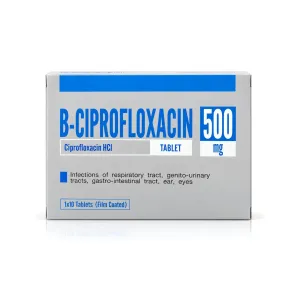 B-Ciprofloxacin
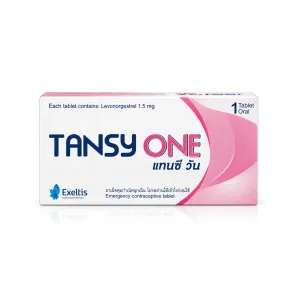 Tansy One
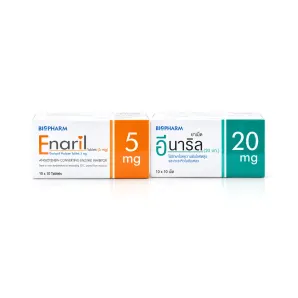 Enaril
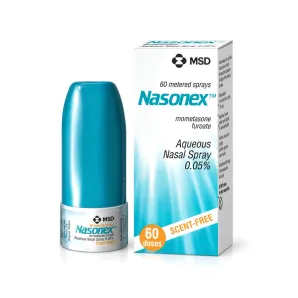 Nasonex