This bronchodilators for kids guide starts with the basics. A bronchodilator is a medication that acts directly on the smooth muscle around the airways, causing it to relax so the bronchi widen and air flows more easily in and out of the lungs.
When a child has airway constriction (asthma, acute bronchitis, RSV), they may experience laboured breathing, wheezing, cough, and fatigue. A bronchodilator relaxes those muscles within 5-15 minutes, easing symptoms.
According to NHS and the American Academy of Pediatrics (AAP), bronchodilators are relievers, not long-term controllers. Children with chronic asthma also need a controller medication.
Why Kids May Need a Bronchodilator
Children have smaller airways than adults, making them easier to narrow when inflamed or constricted. Common reasons paediatricians prescribe a bronchodilator:
Childhood asthma — affects 5-10% of children in Thailand
Acute bronchitis from viral infection
RSV (Respiratory Syncytial Virus) in young children
Allergic bronchospasm
Pre-exercise for children with exercise-induced asthma
Signs you may need a bronchodilator: wheezing, faster-than-normal breathing, persistent cough, chest tightness, or fatigue while playing.
How paediatricians choose: Ventolin is standard for general childhood asthma — fast onset, fewer side effects. Berodual is reserved for cases where Ventolin is insufficient — longer-acting but slightly more side effects.
How to Use a Bronchodilator MDI with Kids (with Spacer)
Shake the canister 5-6 times before each use
Remove the cap, check for foreign objects
Connect MDI to spacer (with face mask if child <5)
Seal mask snugly around nose and mouth, or have child close lips around mouthpiece
Press MDI once — child takes 5-6 slow breaths (~30 seconds) through the spacer
Wait 30-60 seconds before the next puff (if doctor prescribed 2 puffs)
After use, rinse mouth with water to reduce oral side effects
Tip: Make it feel like play — reward stickers or a colourful spacer.
How Often? Dosing by Age
Reliever use (when symptoms occur):
2 puffs every 4-6 hours when symptomatic — not on a fixed schedule
15 minutes before exercise — 1-2 puffs for children with exercise-induced asthma
If used more than 4 times/day = sign to see a doctor
Maintenance use (paediatrician-directed only):
Some children need scheduled use (e.g., morning + evening) under medical supervision only
Dose and frequency adjust with age, weight, and severity
Important: Exact dosing must be prescribed by a paediatrician — this article is general information, not medical advice.
Common Side Effects
Common side effects of Salbutamol (Ventolin) in children, per NHS data:
Palpitations / fast heartbeat — ~10-15%, usually resolves in 30 minutes
Tremor — 10-15%, especially after larger doses
Headache — ~5-10%
Dry mouth or throat — reduced by rinsing after use
Insomnia — if dosed close to bedtime
Seek immediate care if: breathing worsens after the dose (paradoxical bronchospasm), rash or swelling (allergic reaction), or bluish lips.
Storage and Expiry
Room temperature (<30°C), away from direct sun
Never store in a car — heat damages the canister
Check the expiry date — use within 12 months after opening
Out of children's reach but accessible in emergencies
Count puffs used — Ventolin Evohaler has 200 puffs per canister
When to Consult a Doctor
Bronchodilators are generally safe, but seek emergency care immediately if:
Using the inhaler more than 4 times/day for multiple days in a row
No improvement 15-20 minutes after a dose
Very rapid breathing, bluish lips, unable to finish sentences
Chest or neck retractions (signs of severe distress)
Child becomes unresponsive or unusually drowsy
Frequent reliever use can mask the severity of disease — parents should log usage and discuss with the paediatrician.
Frequently Asked Questions
No, per NHS Salbutamol is not addictive. But frequent use signals uncontrolled disease — see a paediatrician to adjust the plan.
Yes — with spacer + face mask and only under paediatrician guidance.
Tremor is a common side effect (~10-15%) and usually resolves within 30 minutes. If severe, consult a pharmacist or doctor.
No. Cold reduces canister pressure and dose delivery. Room temperature is correct.
If symptoms don't improve 15-20 minutes after a dose, take the child to hospital immediately — Berodual or systemic steroid may be needed.
No — tablets work slower and have more systemic side effects. Paediatricians prefer inhalers.
Yes in some cases (acute bronchitis, RSV, allergic bronchospasm) — only under paediatrician prescription. Do not self-medicate.
Yes for exercise-induced asthma — 1-2 puffs 15 minutes before sport, per paediatrician advice.
⚠️ Disclaimer
The information on this page is for general informational purposes only and is not intended to replace professional medical advice, diagnosis, or treatment from a qualified doctor or pharmacist. If you have any questions about your symptoms or medication, always consult a doctor or pharmacist first.



 Metronidazole
 Vilerm
 Firide
 Gofen
Gofen Annylyn
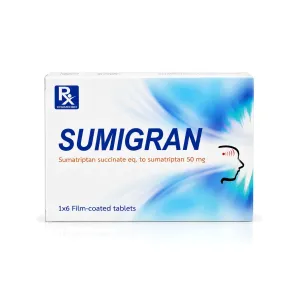 Sumigran
 Preme
Preme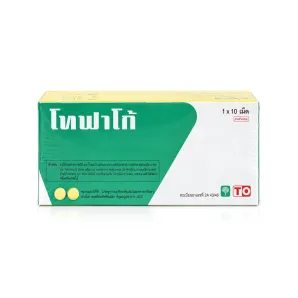 Tofago
 B-Ciprofloxacin
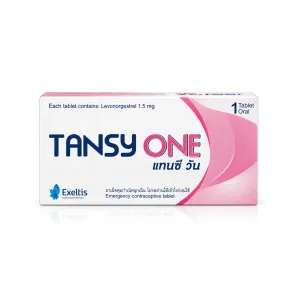 Tansy One
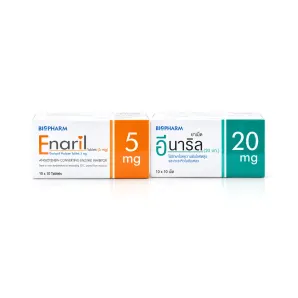 Enaril
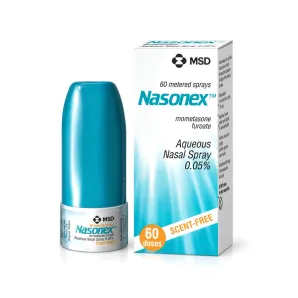 Nasonex