
How is erectile dysfunction treated?
- Erectile dysfunction (ED) = the penis won't get hard, or won't stay hard long enough for sex — it's common and treatable or manageable
- Two groups of causes: physical (diabetes, high blood pressure, high cholesterol, low testosterone, smoking) and psychological (stress, anxiety, depression)
- Main medicines = PDE5 inhibitors — Sildenafil (e.g. Sidegra), Tadalafil, Vardenafil, Avanafil, which boost blood flow to the penis
- Sildenafil works in 30–60 min, lasts 4–6 hrs | Tadalafil lasts up to 36 hrs
- ⚠️ Never combine with nitrates / certain heart medications — always consult a pharmacist first
- Lifestyle changes (exercise, quitting smoking, less stress) support treatment
- Consult an Intimo Life pharmacist to choose genuine medicine, delivered discreetly

- What Is Erectile Dysfunction?
- What Are the Symptoms of Erectile Dysfunction?
- What Causes Erectile Dysfunction?
- Is ED a Warning Sign of Heart Disease or Diabetes?
- How to Tell If It's Physical or Psychological
- Can Erectile Dysfunction Be Cured?
- How Is Erectile Dysfunction Treated? What Are the Options?
- Comparing Erectile Dysfunction Medications
- What to Eat for ED? How to Adjust Your Lifestyle
- Can Erectile Dysfunction Be Prevented?
- Buy Genuine ED Medication at Intimo Life
- Frequently Asked Questions
What Is Erectile Dysfunction?
Many people ask about erectile dysfunction treatment options. Erectile dysfunction is when the penis won't get hard, or won't stay hard long enough to have sex — known medically as erectile dysfunction (ED).
Not getting fully hard once in a while is normal. But when it happens often enough to affect your relationship or confidence, that's a sign of ED worth addressing.
The good news: ED is very common and treatable or manageable — it's nothing to be ashamed of or to leave untreated.
What Are the Symptoms of Erectile Dysfunction?
Watch for these signs in yourself:
- Difficulty getting hard, or needing far more stimulation than usual
- Getting hard but not staying hard — losing the erection before or during sex
- Not getting fully hard — not firm enough for penetration
- Lower sex drive in some men as well
- Loss of morning erections you used to have
If these symptoms persist for more than 3 months, consult a pharmacist or doctor to find the cause and the right treatment.
What Causes Erectile Dysfunction?
Erectile dysfunction comes from physical causes, psychological causes, or both at once, because an erection relies on blood vessels, nerves, hormones, and your emotional state all working together. When any one of these breaks down, getting hard becomes difficult. Knowing the real cause helps target the right treatment. In general, younger men are more often affected by psychological or lifestyle causes, while older men more often have a physical cause as well.
Physical causes
More common with age and in men with chronic conditions:
- Diabetes — damages the blood vessels and nerves that control erections; the most common physical cause
- High blood pressure — vessels stiffen and narrow, so blood flow is insufficient
- High cholesterol / narrowed arteries — reduces blood flow to the penis
- Cardiovascular disease — directly linked to ED, and can be an early warning sign
- Low testosterone — lowers both desire and the ability to get hard
- Side effects of certain medications — such as some blood pressure drugs or antidepressants (don't stop your medication on your own; consult a pharmacist or doctor to adjust it)
- Neurological conditions — such as Parkinson's disease or nerve injury
- Pelvic surgery or injury — affecting the nerves and blood vessels that control erections
Psychological causes
Common in younger men, and often combined with physical causes:
- Stress — from work, money, or daily life
- Performance anxiety — the more you worry, the harder it gets; common in younger men
- Depression — lowers sexual desire and response
- Relationship problems with a partner — conflict or poor communication
Risk behaviors that raise your chances
- Smoking — damages blood vessels; a major contributor
- Heavy alcohol use — affects you both acutely and over the long term
- Excess weight / lack of exercise
- Poor sleep / not enough rest — affects sex hormone levels
Is ED a Warning Sign of Heart Disease or Diabetes?
Yes, in many cases. The blood vessels in the penis are smaller than those in the heart, so they often show narrowing first. That means ED can be an early warning sign of hidden heart disease or diabetes.
For this reason it shouldn't be ignored — investigating the cause not only helps your erections but also looks after your overall heart and blood vessel health at the same time. If ED happens persistently, especially alongside a chronic condition, consult a pharmacist or see a doctor for further checks.
How to Tell If It's Physical or Psychological
There are some preliminary signs that can hint at the direction (these are a preliminary observation only, not a substitute for a doctor's diagnosis):
- You still get morning erections, or get hard normally when masturbating → tends to lean toward a psychological cause
- You struggle to get hard in every situation, and it has come on gradually → tends to lean toward a physical cause
- You have a chronic condition such as diabetes or high blood pressure → a physical cause is likely involved
That said, blood tests (for blood sugar, cholesterol, and hormones) ordered by a doctor are what confirm the cause most reliably. The signs above are for preliminary assessment only and should not replace a doctor's diagnosis.
Can Erectile Dysfunction Be Cured?
It depends on the cause. Many cases can return to normal — especially when ED stems from stress, lifestyle, or hormones. When it stems from a chronic disease (diabetes, vascular problems), it can usually be managed so that you can have a normal sex life with medication, alongside controlling the underlying condition.
What matters most is that the sooner you address it, the better, because ED can sometimes be a sign of hidden heart disease or diabetes.
How Is Erectile Dysfunction Treated? What Are the Options?
There are three main approaches, often used together:
1. Oral medication (PDE5 inhibitors) — the most popular first option
These widen the blood vessels in the penis so more blood flows in, allowing an erection when you're sexually stimulated. They include Sildenafil (e.g. Sidegra), Tadalafil, Vardenafil, and Avanafil — compared in the table below.
2. Lifestyle and health changes
Exercise, losing weight, quitting smoking, controlling diabetes/blood pressure, and managing stress — these tackle the root cause and help the medication work better.
3. Psychological support
If the cause is anxiety or relationship issues, talking with your partner or seeing a mental health professional can help a great deal.
⚠️ ED medications must be used correctly. Always consult an Intimo Life pharmacist before use to pick the right dose and drug for you, and to avoid interactions with your current medications.
Comparing Erectile Dysfunction Medications
The main ED medications are PDE5 inhibitors. They all work in a similar way, differing mainly in how fast they act and how long they last — choose the one that fits your lifestyle:
| Drug (active ingredient) | Onset | Duration | Key strength | Available doses |
|---|---|---|---|---|
| Sildenafil (e.g. Sidegra) | 30–60 min | 4–6 hrs | Most popular, great value, multiple doses | 50, 100 mg |
| Tadalafil | 30 min | Up to 36 hrs | Long-lasting, great for couples who don't want to time it | 10, 20 mg |
| Vardenafil | 30–60 min | 4–6 hrs | A close alternative to Sildenafil | 10, 20 mg |
| Avanafil | 15–30 min | ~6 hrs | Fastest onset | 100, 200 mg |
How to choose, in short:
- Want the popular, great-value, easy-start option → Sildenafil (Sidegra)
- Want long-lasting effect without timing it → Tadalafil
- Want the fastest onset → Avanafil
⚠️ Important warning: These medicines must NOT be combined with nitrates (heart vessel dilators such as nitroglycerin) and require caution in anyone with severe heart disease, low blood pressure, or a recent heart attack/stroke — always consult a pharmacist before use.
What to Eat for ED? How to Adjust Your Lifestyle
Beyond medication, lifestyle changes improve results over the long term:
Foods that support blood flow
- Leafy greens and beetroot (natural nitrates that widen blood vessels)
- Omega-3 fish (salmon, tuna)
- Nuts and whole grains
- Berries and citrus (antioxidants)
- Dark chocolate (flavonoids) — in moderation
What to cut back on
- Processed foods, high sugar, trans fats
- Too much alcohol
- Smoking (one of the top destroyers of blood vessels)
Habits that help
- Aerobic exercise 30 minutes, 4–5 days a week (brisk walking, running, cycling)
- Enough sleep, 7–9 hours (sleep is linked to sex hormone levels)
- Managing stress
📖 Read more: Techniques and tips to get harder and last longer — How to Get Hard and Last Longer — That Actually Works
💊 Read more: Which enhancement pills actually work — Do Male Enhancement Pills Really Work?
Can Erectile Dysfunction Be Prevented?
You can prevent it and lower your risk by looking after your heart and blood vessel health, which is the foundation of an erection:
- Keep chronic conditions (diabetes, blood pressure, cholesterol) within target
- Exercise regularly and manage your weight
- Quit smoking and cut down on alcohol
- Get an annual health check-up
- Look after your mental health and reduce stress
Buy Genuine ED Medication at Intimo Life
Intimo Life is an online pharmacy that specializes in exactly this:
- ✅ Genuine medicine — certified standards, fully verifiable
- ✅ Pharmacist consultation before you choose — to check which drug suits you, what dose, and whether it interacts with your current medications
- ✅ Discreet home delivery — plain packaging with no product names on the box, protecting your privacy
- ✅ Fast shipping
Browse ED medications and consult a pharmacist at the ED treatment collection, or start with the popular Sidegra (Sildenafil).
Frequently Asked Questions
It depends on the cause — cases from stress or lifestyle often resolve, while those from chronic disease can be managed for a normal sex life with medication, alongside controlling the underlying condition. The sooner you address it, the better.
Very common, especially as men get older, and it can affect younger men too, often from stress. It's nothing abnormal to be ashamed of.
They should always be used under the guidance of a pharmacist or doctor for safety. At Intimo Life, a pharmacist is available to consult before you choose a medication.
There is no single "best" for everyone — Sildenafil is popular and good value, Tadalafil lasts up to 36 hours, and Avanafil acts fast. Choose based on your lifestyle and your pharmacist's advice.
Yes — in younger men the cause is more often stress, performance anxiety, or lifestyle factors (smoking, alcohol, poor rest) than a physical cause.
⚠️ It must NOT be combined with nitrates (heart medications) and requires caution with certain blood pressure drugs — always tell your pharmacist what you're currently taking.
No — erectile dysfunction is difficulty getting hard, while premature ejaculation is ejaculating too quickly despite a normal erection. They are different conditions (though some men can have both).
Not necessarily — many men use it only when needed, and if the root cause is fixed (less stress, lifestyle changes, controlled conditions), some no longer need to rely on it.
⚠️ Disclaimer
The information on this page is for general informational purposes only and is not intended to replace professional medical advice, diagnosis, or treatment from a qualified doctor or pharmacist. If you have any questions about your symptoms or medication, always consult a doctor or pharmacist first.
References
Related Products
Erectile Dysfunction Treatments
 Metronidazole
Treats bacterial vaginosis & abnormal vaginal discharge
✓ In stock40.00 ฿(฿4/tablet) Vilerm
Oral herpes treatment reduces recurrence
✓ In stockFrom 55.00 ฿(฿11/tablet) Firide
Finasteride for hair growth – quality & value
✓ In stockFrom 345.00 ฿(฿11.50/tablet)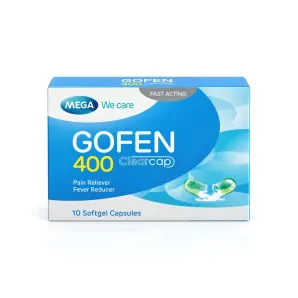 Gofen
GofenGofen for period pain, headache & muscle ache
✓ In stock120.00 ฿(฿12/tablet)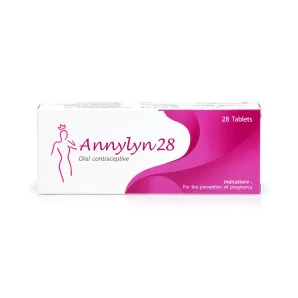 Annylyn
Annylyn birth control pill, simple & easy-to-use
✓ In stock118.00 ฿(฿4.21/tablet)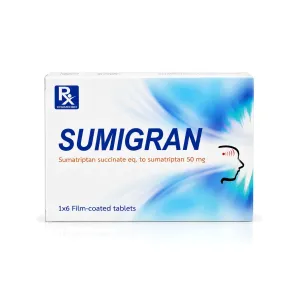 Sumigran
Targeted migraine relief, gentle on stomach
✓ In stock98.00 ฿(฿16.33/tablet)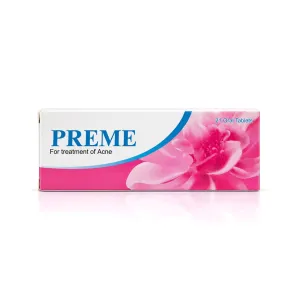 Preme
PremeGentle formula for skin care & less water retention
✓ In stock105.00 ฿(฿4.11/tablet)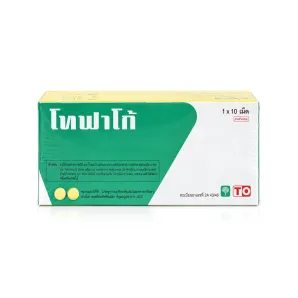 Tofago
Targeted migraine & severe headache relief
✓ In stock40.00 ฿(฿4/tablet)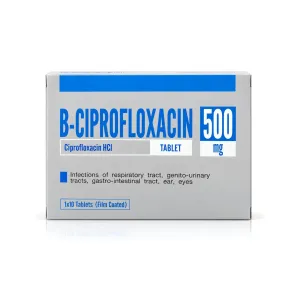 B-Ciprofloxacin
Ciprofloxacin antibiotic, effective for UTI
✓ In stock49.00 ฿(฿4.9/tablet)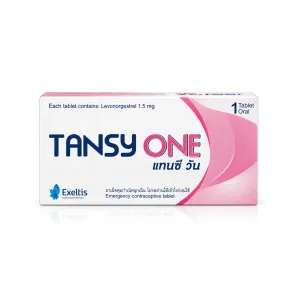 Tansy One
Single-dose emergency contraceptive pill
✓ In stock80.00 ฿(฿80/tablet)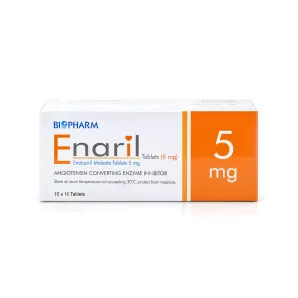 Enaril
ACE inhibitor for blood pressure & heart care
✓ In stockFrom 150.00 ฿(฿1.5/tablet) Nasonex
Daily nasal spray for allergy relief without drowsiness
✓ In stockFrom 549.00 ฿
Become a member of our store to receive news and exclusive discounts.