Nature's Antioxidant — Nourishing Skin, Eyes and Body from Within
Dull skin, fine lines, digital eye strain, and slow muscle recovery after exercise are all linked to oxidative stress from free radical accumulation. Astaxanthin, a red carotenoid from Haematococcus pluvialis microalgae, helps support antioxidant defence across skin cells, the retina, and skeletal muscle simultaneously.
💊 Available in softgel form at 4 mg, 6 mg and 12 mg. Best taken with a fat-containing meal for optimal absorption. Consult a pharmacist to find the right strength.
👨⚕️ Consult a pharmacist online instantly — no travel, no queues, completely private and convenient.
🚚 Fast, confidential delivery — plain packaging with no product names on the outside, delivered safely to your door.
Astaxanthin is a powerful antioxidant from algae, far stronger than vitamin C or vitamin E. It suits people wanting to support skin hydration and reduce fine lines caused by sun exposure and pollution, as well as those with heavy eye strain seeking eye support. Choose based on whether skin or eye health matters more to you.
🛒 Shop the range above · 24-hour dispatch from Intimo Life — consult a pharmacist if unsure.
Astaxanthin (แอสต้าแซนทีน) is a vivid red carotenoid from Haematococcus pluvialis microalgae — a potent antioxidant that surpasses vitamin C and vitamin E in free radical quenching capacity. Uniquely, it crosses both the blood-brain barrier and the blood-retinal barrier, enabling protective activity across multiple tissues simultaneously.
📊 Key clinical statistics:
Astaxanthin exhibits antioxidant activity up to 6,000 times stronger than vitamin C and 54 times stronger than beta-carotene in comparative in vitro studies
Human trials using 4–6 mg/day for 6–8 weeks showed statistically significant improvements in wrinkle depth and skin moisture retention
Research suggests potential benefits for reducing eye strain and improving visual acuity in individuals with prolonged screen exposure
💊 At Intimo Life, Astaxanthin (แอสต้าแซนทีน) is curated to cover key wellness goals:
Skin health and anti-ageing — supports antioxidant defence in skin cells, helping reduce fine lines and UV-induced oxidative damage
Eye health and muscle recovery — supports retinal health and may help reduce exercise-induced muscle fatigue
⚠️ Astaxanthin is a food supplement, not a medicine. Pregnant or breastfeeding individuals, and those with underlying health conditions, should consult a doctor or pharmacist before use.
Medically reviewed by
ทีมเนื้อหา Intimo Life | Supatcheree A., Pharmacist
Astaxanthin 6mg + Vitamin E ต้านอนุมูลอิสระ บำรุงผิว
Out of stock
600.00 ฿
About Astaxanthin
What is Astaxanthin (แอสต้าแซนทีน)? Where does it come from?
Astaxanthin (แอสต้าแซนทีน) is a vivid red xanthophyll carotenoid the body cannot synthesise — it must come from food or supplements. Its unique structure sets it apart from other carotenoids.
Primary natural source — Haematococcus pluvialis microalgae is the most concentrated source; salmon, shrimp, and crab get their red-pink colour from dietary astaxanthin up the food chain
Unique mechanism — quenches free radicals in both the lipid and aqueous layers of cell membranes simultaneously, unlike most carotenoids which act in only one layer
Barrier penetration — crosses both the blood-brain barrier and blood-retinal barrier, enabling direct protection of the brain and retina
Supplements are available as both natural (algae-derived) and synthetic forms, which differ in structure and efficacy. Consult a pharmacist before choosing.
What are the benefits of Astaxanthin (แอสต้าแซนทีน)? Does it really help skin, eyes and muscles?
Astaxanthin (แอสต้าแซนทีน) has emerging clinical evidence across several health areas:
Skin health — may help reduce fine lines and improve skin moisture; visible results typically begin after 6–8 weeks of consistent supplementation
Eye health — may help reduce digital eye strain and support retinal cell health
Muscle recovery — may help reduce exercise-induced oxidative damage and inflammation, supporting faster post-workout recovery
Systemic antioxidant protection — supports protection of cardiac, brain, and immune cells from free radical damage
Astaxanthin is a food supplement, not a medicine. It should not replace medical treatment. Consult a pharmacist or doctor to assess suitability.
How to take Astaxanthin (แอสต้าแซนทีน) correctly? How many mg per day and when is best?
Astaxanthin (แอสต้าแซนทีน) is a fat-soluble carotenoid — absorption depends significantly on dietary fat co-ingestion.
Typical dose — 4–6 mg/day for general wellness (skin, eye, antioxidant); 12 mg/day for muscle recovery support or as directed by a healthcare professional
Best timing — take with a fat-containing meal (lunch or dinner); avoid on an empty stomach
Time to effect — at least 4–8 weeks of consistent use before visible skin or eye benefits emerge, as astaxanthin accumulates gradually in tissues
Upper limit — most research uses up to 12–24 mg/day; consult a pharmacist before increasing dose
Consult a pharmacist for personalised dose guidance based on your health goals.
What are the side effects of Astaxanthin (แอสต้าแซนทีน)? Is it safe to take daily?
Natural Astaxanthin (แอสต้าแซนทีน) has a strong clinical safety record and is generally well tolerated at recommended doses. A few things to be aware of:
Carotenodermia — skin may develop a mild orange tint at high doses; normal pigment deposit, not harmful, and reverses with dose reduction
GI effects — mild stomach discomfort or orange-red stool colouration may occur; a normal consequence of high-pigment carotenoid intake
Blood pressure — may modestly lower blood pressure; those on antihypertensive medication should inform their doctor
Algae allergy — individuals with known algae hypersensitivity should avoid or consult a doctor first
Overall, natural Astaxanthin at recommended doses (4–12 mg/day) has a well-established safety profile. Consult a pharmacist if taking other medications.
Who should take Astaxanthin (แอสต้าแซนทีน)? Who should be cautious or avoid it?
Astaxanthin (แอสต้าแซนทีน) may benefit several groups, but specific populations warrant extra caution.
Groups who may benefit — those seeking inside-out skin nourishment, heavy screen users, regular athletes, and those looking for general antioxidant support
Consult a doctor first — pregnant or breastfeeding women, those taking antihypertensives, those on Warfarin or other anticoagulants, and those with liver conditions
Exercise caution — individuals with algae or seafood allergy; those preparing for surgery
Children — comprehensive safety data in paediatric populations is lacking; consult a paediatrician before use
Healthy adults generally have no strict contraindications, but always consult a pharmacist before starting, particularly with underlying conditions or regular medications.
Natural vs Synthetic Astaxanthin (แอสต้าแซนทีน) — what is the difference? Which should I choose?
Astaxanthin supplements come in two main types that differ meaningfully in origin, structure, and efficacy:
Natural Astaxanthin (Haematococcus pluvialis algae) — mono- and di-ester forms with superior bioavailability; backed by most human clinical research; considered the gold standard. Look for "Haematococcus pluvialis extract" on the label
Synthetic Astaxanthin (chemically synthesised) — free-form structure with different absorption; produced predominantly for aquaculture, not human supplementation; verify carefully if found in human supplements
Yeast- or bacteria-derived — natural but structurally different from algae-derived; less common in premium human supplements
Recommendation: always choose natural algae-derived astaxanthin with a clearly stated source. Consult a pharmacist to verify product quality.
Astaxanthin (แอสต้าแซนทีน) generic vs brand — is there a difference? How do BLACKMORES and VISTRA compare?
The Thai Astaxanthin market offers many brands — the key factors are source and manufacturing standards, not just brand name.
BLACKMORES Astaxanthin — respected Australian brand specifying natural astaxanthin from Haematococcus pluvialis, TGA-manufactured; widely trusted in Thailand
VISTRA Astaxanthin — Thai brand using high-quality AstaReal® or AstaSana™ algae-derived astaxanthin; more price-accessible for Thai consumers
How to choose — label must state "natural astaxanthin" or "Haematococcus pluvialis", mg per softgel, Thai FDA (อย.) registration
Generic brands — if COA and source declaration are clear, can be cost-effective but need more careful verification
Consult a pharmacist at Intimo Life via LINE for personalised guidance on the right Astaxanthin for your goals and budget.
Several clinical studies suggest Astaxanthin may support reduction of fine lines, improved skin moisture, and decreased minor inflammatory redness, acting through antioxidant protection of skin cells and reduction of collagen degradation. Visible results typically begin after 6–8 weeks of consistent supplementation. Take with a fat-containing meal for best absorption. Note that Astaxanthin is a food supplement, not a medical skin treatment. Consult a pharmacist for personalised guidance.
Astaxanthin is a fat-soluble carotenoid — absorption is highest when taken with a fat-containing meal such as lunch or dinner. Dietary fat stimulates bile salt secretion, which facilitates intestinal carotenoid uptake. Avoid taking on an empty stomach or with a fat-free carbohydrate-only meal, as this significantly reduces the amount absorbed.
Natural algae-derived Astaxanthin is considered safe for daily use at recommended doses (4–12 mg/day). Periodic breaks are generally not required in the absence of side effects. It is good practice to review supplement use with a pharmacist every 3–6 months to reassess suitability for your current health status, and to inform your pharmacist of any concurrent medications.
The right Astaxanthin dose depends on your goals: 4–6 mg/day suits general skin, eye, and antioxidant support — consistent with most published clinical research / 12 mg/day is more commonly used for athletes or muscle recovery support. Start at 4–6 mg and consult a pharmacist before increasing dose to ensure the higher amount is appropriate for your health profile and any medications you take.
Yes, there is a meaningful difference. Natural astaxanthin from Haematococcus pluvialis exists as ester forms with superior bioavailability and is supported by most human clinical research. Synthetic astaxanthin is in free form with different absorption characteristics, and is predominantly made for aquaculture — not intended for human supplementation. When purchasing supplements, choose products that clearly state "natural astaxanthin" or "Haematococcus pluvialis" on the label.
Safety data for Astaxanthin during pregnancy and breastfeeding is currently limited, and sufficient human studies in these populations are lacking. It is therefore advisable to avoid Astaxanthin supplementation during pregnancy and breastfeeding unless explicitly recommended by a doctor or pharmacist on a case-by-case basis. For antioxidant supplementation during pregnancy, consult your obstetrician for safe, evidence-based options.
Thailand's market includes reliable brands such as BLACKMORES Astaxanthin (natural from Haematococcus pluvialis, TGA-certified manufacturing) and VISTRA Astaxanthin (using high-quality AstaReal® or AstaSana™ algae-derived astaxanthin; more price-accessible). Key selection criteria: clearly stated natural astaxanthin source, mg strength per softgel, and Thai FDA (อย.) registration. Consult a pharmacist at Intimo Life via LINE for personalised brand and dosage guidance.
Astaxanthin pricing varies from a few hundred to over a thousand baht depending on brand, mg strength, and softgel count per pack. Order online at Intimo Life and consult a pharmacist via LINE before purchasing to ensure you get the right product for your goals. Orders are dispatched quickly in plain sealed packaging with no product name visible — ensuring complete privacy.
Dispatched within 24 hrs
Order today for fast delivery. No long waits—ready to ship locally.
100% Authentic
Handpicked authentic products with certified standards.
Discreet Shipping
Plain packaging, no product names. Your privacy is our priority.
Worldwide Shipping
Discreet worldwide shipping via Thailand Post
Sign Up and Get 10% Off your first purchase.
Become a member of our store to receive news and exclusive discounts.


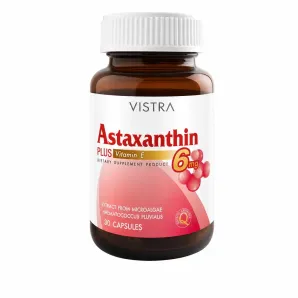 VISTRA Astaxanthin Plus Vitamin E
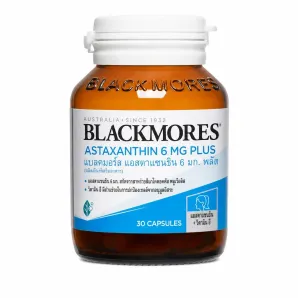 Blackmores Astaxanthin Plus