Magnesium Supplements — Essential Mineral for Body & Mind
Magnesium — involved in over 300 enzymatic reactions in the human body
Magnesium is an essential mineral supporting muscle function, nervous system health, sleep quality, and bone strength. Many people don't get enough from diet alone — especially those who exercise regularly, experience high stress, or consume caffeine and alcohol frequently.
🔬 Intimo Life selects only high-absorption magnesium forms — Glycinate, L-Threonate, Citrate, and Complex — matched to your health goals.
👩⚕️ Consult our pharmacist online instantly to find the right magnesium form for you.
🚚 Fast nationwide delivery — secure, discreet packaging delivered safely to your door.
Different magnesium forms absorb and act differently. Magnesium Glycinate has high absorption and little stomach irritation, ideal for long-term sleep support and stress reduction. Magnesium L-Threonate crosses the blood-brain barrier better than other forms, suited for brain function and memory support. Magnesium itself supports muscle, nerve, and sleep health — choose based on your goal.
🛒 Shop the range above · 24-hour dispatch from Intimo Life — consult a pharmacist if unsure.
Magnesium is a macro-mineral the body needs at 310–420 mg/day depending on age and sex. It plays essential roles in ATP synthesis (cellular energy), protein synthesis, muscle and nerve function, blood glucose regulation, and blood pressure control.
📊 Key statistics:
Research indicates over 50-60% of the global population consumes magnesium below the RDA
Magnesium L-Threonate crosses the Blood-Brain Barrier more effectively than other forms, supporting cognitive function
Magnesium Glycinate has the highest bioavailability and lowest GI irritation, suitable for long-term use
Magnesium supplementation may support sleep quality within the first 4-6 weeks of use
💊 Magnesium forms available at Intimo Life:
Magnesium Glycinate: high absorption, gentle on stomach, ideal for sleep and stress relief
Magnesium L-Threonate (Magtein): crosses Blood-Brain Barrier effectively, supports cognitive function and memory
Magnesium Complex + B: combined with B vitamins for nervous system support, great for stress and exercise recovery
Magnesium Citrate: good bioavailability, supports healthy bowel function
Medically reviewed by
Supatcheree A., Pharmacist | Supatcheree A., Pharmacist
Last reviewed: 2026-06-03
Magnesium Supplements for Muscle, Sleep & Brain Health
Vistra Magnesium + B1 B6 B12 for energy & recovery
Out of stock
199.00 ฿
(฿6.63/capsule)
About Magnesium
What Is Magnesium?
Magnesium (Mg) is an essential macro-mineral that cannot be synthesised by the body and must come from food or supplements. It acts as a cofactor in over 300 enzymatic reactions, including:
ATP synthesis — the primary energy currency of every cell
DNA and RNA synthesis — essential for cell repair and growth
Muscle contraction — works with calcium to regulate contraction and relaxation
Nerve signal transmission — regulates ion channels and neurotransmitters
Blood glucose regulation — helps cells respond to insulin
The body stores approximately 25 g of magnesium: 60% in bone, 20% in muscle, and the remainder in soft tissue and body fluids.
Benefits of Magnesium — Muscle, Sleep, Stress & Bone
Magnesium provides several key health benefits:
Muscle: supports normal muscle function, reduces cramps, spasms, and post-exercise fatigue. Acts as a calcium antagonist helping muscles naturally relax after contraction.
Sleep: supports melatonin production and GABA neurotransmitter function, promoting relaxation. Supplementation may support sleep quality and reduce time to fall asleep.
Stress: plays a role in regulating the HPA (Hypothalamic-Pituitary-Adrenal) axis involved in stress response. Those with high stress or mood fluctuations may benefit from supplementation.
Bone: aids calcium absorption and activation of vitamin D (to its active form), essential for bone density.
Energy: key component of the Krebs cycle and ATP production, helping reduce fatigue and support vitality.
Types of Magnesium — Glycinate vs Threonate vs Citrate vs Oxide
The magnesium salt form affects absorption rate and target benefits:
Magnesium Glycinate: bound to glycine (amino acid), highest bioavailability, minimal GI irritation. Best for: sleep, stress relief, muscle cramps, sensitive stomachs.
Magnesium L-Threonate (Magtein): the only form shown to cross the Blood-Brain Barrier (BBB) effectively, developed at MIT. Best for: memory, focus, cognitive function support.
Magnesium Citrate: bound to citric acid, good absorption, supports bowel motility. Best for: exercise, general health, those with constipation.
Magnesium Oxide: highest elemental magnesium content (60%) but very low absorption (~4%). Often found in laxatives, not recommended as a primary magnesium supplement.
Magnesium Malate: bound to malic acid, good absorption. Best for: energy, muscle health, fatigue management.
Who Should Take Magnesium Supplements?
Groups at higher risk of deficiency or who may benefit from supplementation:
Regular exercisers: physical activity increases magnesium loss through sweat — runners, athletes, and heavy trainers need more than average.
Poor sleepers: Magnesium Glycinate supports relaxation and sleep quality.
Frequent coffee or alcohol consumers: both have diuretic effects that increase magnesium loss.
Older adults: absorption decreases with age alongside reduced dietary intake.
Those with diabetes or insulin resistance: magnesium plays a role in insulin function and glucose metabolism.
High processed food diets: processed foods are low in magnesium and contain absorption inhibitors.
Foods High in Magnesium
Best natural food sources of magnesium:
Pumpkin Seeds: ~150 mg/30 g — one of the richest sources
Dark Chocolate (70%+): ~65 mg/30 g
Almonds: ~80 mg/30 g
Spinach: ~78 mg/half cup cooked
Black Beans: ~60 mg/half cup
Avocado: ~58 mg/1 fruit
Banana: ~32 mg/1 medium
Oats: ~57 mg/half cup
Salmon: ~53 mg/90 g
Note: those who exercise regularly, experience high stress, or frequently consume coffee/alcohol may need additional magnesium beyond diet alone — supplementation can help fill that gap.
How to Choose the Right Magnesium for You
Choose the magnesium form based on your health goals:
Goal: better sleep / stress relief → Magnesium Glycinate (Swisse or Blackmores Bio Magnesium) — high absorption, gentle on stomach, take before bed.
Goal: brain and memory support → Magnesium L-Threonate / Magtein (Dr.PONG Magtein) — crosses BBB effectively, take in the morning.
Goal: exercise performance / muscle / cramp reduction → Magnesium Complex + B (Vistra or Interpharma effervescent) — supports energy and recovery.
Goal: general health / starting out → Magnesium Glycinate or Citrate at 150-200 mg/day.
General tips: take with food or before bed. Avoid taking with antibiotics or high-calcium foods as these may reduce absorption. Free pharmacist consultation available via Line @intimo.
Precautions and Side Effects of Magnesium
Magnesium is safe at recommended doses but has precautions to be aware of:
Common side effects: diarrhoea, nausea, or stomach cramps — especially with Oxide and high-dose Citrate. Reduce dose or switch to Glycinate form.
Safe upper limit: Tolerable Upper Intake Level (UL) from supplements is 350 mg/day for adults.
Kidney disease: kidneys regulate magnesium excretion — those with kidney disease should consult a doctor before supplementing.
Drug interactions: fluoroquinolone and tetracycline antibiotics, diuretics, bisphosphonates (osteoporosis drugs) — space consumption by 2 hours.
Pregnancy: RDA for pregnant women is 350-360 mg/day, generally safe, but consult a doctor before additional supplementation.
Magnesium with Other Vitamins and Minerals — Combine or Space Out?
Magnesium works well with certain nutrients but should be spaced from others:
Good combinations:
Vitamin D3: synergistic — vitamin D requires magnesium for conversion to its active form. Those supplementing D3 should also ensure adequate magnesium.
Vitamin B6: enhances magnesium uptake into cells. Products combining both work synergistically.
Zinc (low dose): safe to take together.
Space by 2 hours:
Calcium: compete for absorption — take magnesium in the morning and calcium in the evening or at night.
Iron: may interfere with absorption at high doses.
The information on this page is for general informational purposes only and is not intended to replace professional medical advice, diagnosis, or treatment from a qualified doctor or pharmacist. If you have any questions about your symptoms or medication, always consult a doctor or pharmacist first.
The best time depends on your goal and form. For sleep support or stress relief, take 30-60 minutes before bed — magnesium supports nervous system relaxation. For exercise performance or energy, take in the morning or before training. Always take with food to reduce potential stomach discomfort, especially with Citrate or Oxide forms.
Magnesium provides multiple health benefits: supports normal muscle function and reduces cramps; supports sleep quality by promoting GABA and melatonin activity; aids relaxation and stress management; supports bone health by aiding calcium absorption and vitamin D activation; supports ATP (cellular energy) production; and plays a role in blood glucose regulation and blood pressure control.
Space magnesium at least 2 hours from: fluoroquinolone antibiotics (ciprofloxacin, levofloxacin) and tetracyclines — magnesium can reduce drug absorption; bisphosphonate bone medications (alendronate); certain diuretics; and calcium supplements or high-calcium foods as they compete for absorption. If you use any of these medications, inform your pharmacist before starting magnesium supplementation.
Choosing magnesium should focus on form (salt type) and health goal rather than brand alone. At Intimo Life: Swisse Magnesium 150mg (Glycinate) for getting started; Blackmores Bio Magnesium Advance+D3 for bones and muscles; Dr.PONG Magtein (L-Threonate) for brain and memory; Interpharma Magnesium+B Complex effervescent for energy and nervous system; Vistra Magnesium Complex+B1B6B12 for exercise and fatigue. All products meet international manufacturing standards. Free pharmacist consultation via Line @intimo.
Yes, magnesium can be taken daily at recommended doses. The RDA for adults is 310-420 mg/day depending on sex and age. The Tolerable Upper Intake Level (UL) from supplements is 350 mg/day. Most products contain 100-300 mg per serving — within the safe range. Consistent daily use provides better results than occasional doses, particularly for sleep, stress, and muscle health goals.
Common symptoms of low magnesium include: muscle cramps or spasms, especially calf cramps at night; unusual fatigue and weakness; insomnia or poor sleep quality; mood swings and irritability; frequent headaches or migraines; heart palpitations; tingling or numbness in hands and feet; elevated blood pressure. These symptoms are not exclusive to magnesium deficiency, but if multiple occur together, supplementing or consulting a doctor may be beneficial.
Magnesium from food has no reported toxicity as kidneys excrete excess. However, supplemental magnesium above 350 mg/day may cause side effects: diarrhoea, nausea, stomach cramps. Hypermagnesemia (very high levels) can cause low blood pressure, muscle weakness, drowsiness, and slow heart rate — this occurs mainly in people with kidney disease or those taking very high doses. Using products at label-recommended doses is considered safe for generally healthy adults.
Both are high-absorption forms but with distinct advantages. Magnesium Glycinate: bound to glycine, high bioavailability, gentle on stomach, acts throughout the body — best for sleep, stress relief, muscle health, and long-term use. Magnesium L-Threonate (Magtein): MIT-developed formula that effectively crosses the Blood-Brain Barrier — specifically supports brain function, memory, and focus. Best for those prioritising cognitive health. For both full-body and brain benefits, some people use both forms at different times of day.



 Swisse Magnesium
 Blackmores Bio Magnesium Advance + D3
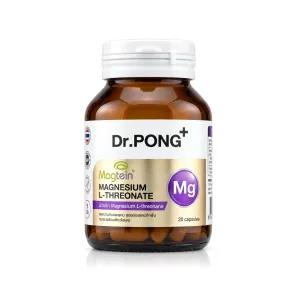 Dr.PONG Magtein Magnesium L-Threonate
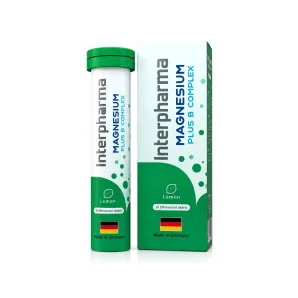 Interpharma Magnesium plus B Complex
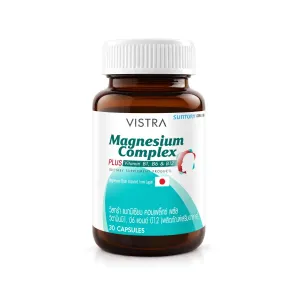 Vistra Magnesium Complex Plus