

Topical Antibiotic
Targeted antibacterial care for infected wounds
Grazes, pus-filled sores, or infected wounds can spread and heal slowly if untreated. Intimo Life offers topical antibiotics for spot treatment that kill bacteria right at the source.
💊 Cream and ointment forms. Apply a thin layer 2-3 times a day, for no more than 7-14 days unless advised by a pharmacist.
👨⚕️ Consult a pharmacist online instantly — no travel, no queues, completely private and convenient.
🚚 Fast, confidential delivery — plain packaging with no product names on the outside, delivered safely to your door.
Do infected wounds need a topical antibiotic?
Yes, if the wound has pus, redness, or other signs of bacterial skin infection. Topical antibiotics work well for small to moderate wounds, but fever, rapid spreading, or heavy swelling call for a doctor rather than topical treatment alone.
🛒 Shop the range above · 24-hour dispatch from Intimo Life — consult a pharmacist if unsure.
Topical antibiotics are applied directly to the skin to kill bacteria in small to moderate infected wounds — grazes with pus, impetigo-like blisters, or scratches that look inflamed. Fusidic acid is a common active ingredient in this class, acting locally without oral medication.
📊 Key facts about infected skin wounds:
- Most superficial skin infections are caused by Staphylococcus aureus, a bacterium that lives harmlessly on skin until there's an open wound.
- Topical fusidic acid achieves cure rates of around 80-90% for impetigo with a full course.
- Impetigo is most common in children aged 2-5 years and spreads easily by contact.
💊 At Intimo Life, topical antibiotics cover 2 main wound situations:
- Simple infected wounds — a single antibacterial formula for grazes or pus-filled sores.
- Infected wounds with inflammation — combines a mild anti-inflammatory with the antibiotic, for short-term use.
⚠️ Only use for the recommended duration — prolonged use can lead to antibiotic resistance, and if the wound hasn't improved within 5-7 days, consult a pharmacist or doctor.

Topical Antibiotics Available
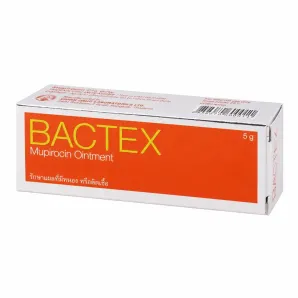 Bactex Ointment Mupirocin Topical Antibiotic
Mupirocin 2% ointment for infected wounds & impetigo
✓ In stockFrom 80.00 ฿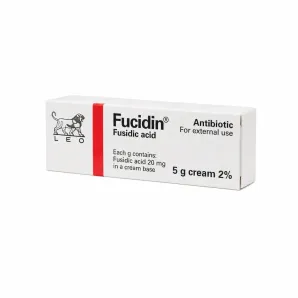 Fucidin Cream
Treats bacterial skin infection, Fusidic acid 2%
✓ In stockFrom 115.00 ฿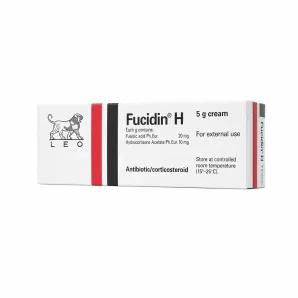 Fucidin H Cream
Fusidic acid + Hydrocortisone: fights & soothes
✓ In stockFrom 148.00 ฿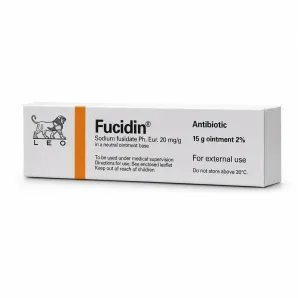 Fucidin Ointment
Sodium fusidate 2% ointment for infected wounds
✓ In stockFrom 115.00 ฿
About Topical Antibiotics
When should you use a topical antibiotic?
Topical antibiotics are appropriate for wounds showing signs of a superficial bacterial skin infection — pus-filled sores, localized redness and warmth, inflamed pustules, or grazes that have started oozing thick fluid. Apply directly to the wound to kill bacteria at the source, reducing the risk of spreading and helping the wound heal faster.
They are not suitable for fresh open wounds, deep cuts, severe burns, or heavily bleeding injuries — these need direct medical care instead.
What kind of wound needs a topical antibiotic?
Signs that a wound is infected and may need a topical antibiotic include yellow or green pus, an unusual smell, increasing redness and warmth around the wound, or a honey-colored crust like the kind seen in impetigo.
If these symptoms come with fever, chills, or rapidly spreading redness, that may signal an infection deeper than the surface layer of skin — see a doctor instead of relying on topical treatment alone, since an oral antibiotic may be needed for severe infections.
Topical antibiotic cream vs ointment — what's the difference?
Creams and ointments contain the same antibacterial ingredient, but their texture and absorption differ. Cream is lightweight and absorbs quickly, suited to dry wounds or hairy areas, like Fucidin Cream. Ointment is thicker and forms a longer-lasting protective layer, suited to wounds needing extended coverage, like Fucidin Ointment or Bactex Ointment.
Pharmacist's rule of thumb: for dry, crusting wounds, choose cream — it absorbs fast and doesn't feel greasy. For wounds in areas with more friction, or where you want longer-lasting coverage, ointment holds the medicine on the wound better.
How is a steroid-combo topical antibiotic different from a plain one?
Steroid-combo topical antibiotics, like Fucidin H Cream, include a mild anti-inflammatory alongside the antibiotic, easing redness and itching that often come with inflamed skin. Plain formulas, like Fucidin Cream, only target the bacteria.
Pharmacist's rule of thumb: if the wound is just pus or a straightforward infection, you don't need the steroid-combo formula. If there's also redness and itching from inflammation, the combo works better — but only for a short course (no more than 7-14 days), and avoid large areas or prolonged use without consulting a doctor. If the redness and itching is from chronic dermatitis without infection, treat it as that instead.
How long should you use a topical antibiotic?
Topical antibiotics are typically applied in a thin layer 2-3 times a day for 7-14 days, depending on how severe the wound is and your pharmacist's advice. Complete the full course even if symptoms improve early — stopping too soon raises the risk of resistance and the wound reinfecting.
If the wound hasn't improved after 7 days, or pus and redness are getting worse, stop use and consult a pharmacist or doctor for reassessment.
How is a topical antibiotic different from a general antiseptic?
Topical antibiotics act specifically against bacteria, unlike general antiseptics such as povidone-iodine or alcohol, which have broader activity covering bacteria, fungi, and some viruses — but tend to be milder and more likely to irritate skin when used on open wounds.
In practice, antiseptics suit initial wound cleaning, while topical antibiotics suit wounds that already show clear signs of bacterial infection. The two can be used together in sequence — clean first, then apply the topical antibiotic.
Can topical antibiotics cause resistance?
Yes, it can happen. Using a topical antibiotic carelessly, continuing past the recommended duration, or stopping and restarting repeatedly can let bacteria on the skin adapt and become resistant, making the medicine less effective — or not effective at all — next time.
To reduce that risk, only use it when there's a real sign of infection, follow the recommended duration strictly, avoid continuous use beyond 2 weeks without medical advice, and don't reach for the same topical antibiotic every time a wound appears.
⚠️ ข้อจำกัดความรับผิดชอบ
เนื้อหาในบทความนี้มีจุดประสงค์เพื่อให้ความรู้ทั่วไปเท่านั้น ไม่ได้มีเจตนาทดแทนคำแนะนำ การวินิจฉัย หรือการรักษาจากแพทย์หรือเภสัชกรผู้เชี่ยวชาญ หากมีข้อสงสัยเกี่ยวกับอาการหรือการใช้ยา ควรปรึกษาแพทย์หรือเภสัชกรก่อนเสมอ
- Fusidic Acid — Topical Antibiotic Information — NHS
- Impetigo — NHS
- Hydrocortisone for Skin — NHS
- Impetigo — StatPearls — NCBI
- Fusidic Acid — Drug Label Search — DailyMed
Frequently Asked Questions
General topical antibiotics like fusidic acid can be used in children as advised by a pharmacist. Pregnant or breastfeeding women should consult a doctor or pharmacist before use every time, especially steroid-combo formulas, which aren't recommended without guidance — apply to a small area for the shortest time necessary, and avoid long, repeated use on young children without medical supervision.
Yes, for small open wounds that have already been cleaned. But large, deep wounds, heavy bleeding, or burns need direct medical care instead of self-treatment, since these require more than surface-level antibacterial care.
This group of topical antibiotics is designed for infected skin wounds, not acne specifically. Severely inflamed acne can sometimes involve infection, but consult a pharmacist or dermatologist first to choose a treatment made for acne rather than a general wound antibiotic.
If you've applied it for a full 5-7 days and the wound hasn't improved, has more pus, spreading redness, or a fever develops, stop self-treating and see a doctor right away — these can signal an infection deeper than the surface layer that needs more than topical care.
Store in a dry place at room temperature, away from direct sunlight and high humidity. Close the cap tightly after every use, avoid repeatedly touching the product with your fingers to reduce contamination risk, and always check the expiry date before use.
Watch for redness, increased itching, swelling, unusual burning, or blisters at the application site. If these appear, stop use immediately, rinse the area with clean water, and consult a pharmacist or doctor about switching to a different treatment.
It depends on the wound's location and condition. Areas prone to friction or dust exposure, like hands or elbows, benefit from a thin gauze cover after application to prevent recontamination. Shallow wounds in less-exposed areas can be left open to air as appropriate.
Order online through Intimo Life anytime, with the option to consult a pharmacist online before ordering to choose the right formula for your wound. Delivery is fast and discreet, with no product names shown on the outside of the package.
Become a member of our store to receive news and exclusive discounts.
Recently viewed products