
Fusidic Acid
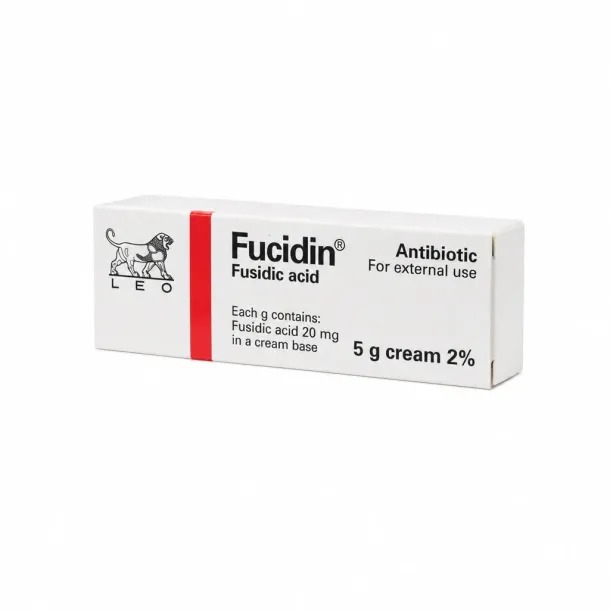
Fucidin Cream (ฟิวซิดิน) — ยาทาฆ่าเชื้อแบคทีเรีย Fusidic acid 2% รักษาแผลติดเชื้อ ผิวหนังอักเสบ แผลพุพอง รูขุมขนอักเสบ
💊 ตัวยา: Fusidic acid (กรดฟิวสิดิก) 2%
⏱️ วิธีใช้: ทาบาง ๆ บริเวณแผล วันละ 2-3 ครั้ง
🍽️ เงื่อนไข: ใช้ตามคำแนะนำเภสัชกร ไม่ใช้พร่ำเพรื่อ (กันดื้อยา)
📦 บรรจุ: ครีม 5 กรัม / 15 กรัม/หลอด
⚡ จุดเด่น: เนื้อครีมบางซึมเร็ว เหมาะแผลเปียก/ผิวทั่วไป
🌡️ เก็บรักษา: ต่ำกว่า 25°C ไม่โดนแสงแดดโดยตรง
Done — we will alert you on LINE when this item is back.
Remind me to reorder
Remind me every
First reminder 20 Oct 2026 · on LINE
Shipping
Discreet shipping within Thailand — packaging does not identify the product. Customers can review shipping and return conditions per our store policy. Contact our team for any questions.
What is Fucidin Cream?
Fucidin Cream is a topical antibacterial containing Fusidic acid 2%, used for infected wounds, skin inflammation, impetigo, and folliculitis. Its thin, fast-absorbing texture suits moist wounds or general skin. Apply a thin layer 2-3 times daily as advised by a pharmacist, and avoid overuse to help prevent antibiotic resistance.
🛒 Cream 5g / 15g tube · Authentic · Fast shipping 24 hrs Intimo Life — Consult a doctor or pharmacist before use
Product Description
Topical antibiotic Fucidin Cream contains Fusidic acid 2% (20 mg/g) by LEO Pharma, Denmark — 60+ years of dermatology expertise. Fusidic acid inhibits elongation factor G (EF-G) in bacterial protein synthesis, halting replication and killing bacteria. Effective against Staphylococcus aureus (MSSA), Streptococcus pyogenes, and most gram-positive skin bacteria. The lightweight cream absorbs quickly — ideal for moist wounds and general skin use. Unlike Fucidin Ointment (orange), which has a thicker base for dry or crusted wounds.
- 📊 S. aureus causes over 70% of impetigo cases in children across Asia and tropical regions
- 📊 Studies in the Journal of Antimicrobial Chemotherapy show fusidic acid cream achieves 85–92% efficacy in mild-to-moderate skin infections
- 📊 Used in clinics and hospitals worldwide for over 60 years — among the longest-established topical antibiotics in its class
- 🏭 Manufacturer: LEO Pharma A/S, Denmark | Imported by Siam Bheasaj
⚠️ Use as directed by a pharmacist. Do not use continuously for more than 2 weeks to prevent antibiotic resistance.

About Fucidin Cream
What is Fucidin Cream?
Fucidin Cream is a topical antibiotic. Active ingredient: Fusidic acid 2% (20 mg/g). Works by inhibiting elongation factor G (EF-G) in bacterial protein synthesis, halting replication and killing bacteria. Targets Staphylococcus aureus (MSSA), Streptococcus pyogenes, and Corynebacterium minutissimum. Differs from mupirocin (Bactex) which inhibits isoleucyl-tRNA synthetase — the two are not cross-resistant.
Two forms by colour:
- Cream — red packaging (this product) — lightweight, fast-absorbing, for moist wounds and general skin
- Ointment — orange packaging — thick, occlusive, for dry or crusted wounds
Made by LEO Pharma A/S, Denmark — 60+ years of dermatology expertise.
What does Fucidin Cream treat?
Fucidin Cream treats bacterial skin infections caused by Staphylococcus and Streptococcus:
- Impetigo — honey-coloured crusted pustules, common in school-age children
- Infected eczema/dermatitis — rash complicated by secondary bacterial infection
- Folliculitis — pus-filled bumps around hair follicles on face, legs, back, or trunk
- Infected minor wounds — small cuts with redness, swelling, or discharge
- Furunculosis — small boils from Staphylococcus
- Paronychia — bacterial nail-fold infection
Does not treat viral infections (e.g. herpes) or fungal infections (e.g. ringworm). Fluid-filled blisters, burning pain, or ring-shaped rashes suggest a non-bacterial cause — consult a doctor before using.
How to use Fucidin Cream
General application
- Clean and dry the affected area before each application
- Apply a thin layer of Fucidin Cream to cover the infected area
- Apply 2–3 times daily
- A sterile dressing may be applied over the cream for open wounds
- Wash hands before and after use
Duration
- Typically 5–7 days or until healed; do not exceed 2 weeks
- If no improvement after 3–5 days, consult a doctor or pharmacist
- Even after visible improvement, continue 2–3 more days to fully eradicate the infection
Notes
- Use as directed by a pharmacist; avoid overuse to prevent antibiotic resistance
- For external use only; do not apply near eyes, ears, or mucous membranes
- Not a substitute for oral antibiotics in deep or severe infections
Fucidin Cream side effects
Side effects are uncommon and mostly local to the application site:
- Mild itching, burning, or irritation — may occur initially; usually resolves within a few days; if not severe, treatment may continue
- Skin redness or dryness — if progressive or worsening, stop use and consult a pharmacist
- Allergic contact dermatitis — rare; presents as redness, swelling, itch, or blistering; stop use immediately and wash the area
- Serious reactions (very rare) — generalised urticaria or anaphylaxis; seek emergency medical attention immediately
Topical cream is minimally absorbed into the bloodstream, especially over small areas — systemic side effects are far less common than with oral antibiotics.
Contraindications / Precautions
Contraindications
- Known allergy to fusidic acid or any formulation ingredient
- Do not apply to eyes, ears, or mucous membranes
Precautions
- Pregnancy and breastfeeding — insufficient safety data; consult a doctor before use
- Infants under 1 year — consult a doctor first; avoid large surface area applications
- Large or deep wounds — oral antibiotics required instead
- Facial application — acceptable; if eye contact occurs, rinse immediately
- Concurrent topical steroids — avoid without medical advice; Fucidin H (fusidic acid + hydrocortisone) is a combined option
- Duration limit — do not use continuously for more than 2 weeks to prevent resistance
Fucidin Cream vs other topical antibiotics
Topical antibiotics available at Intimo Life:
- Fucidin Cream (Fusidic acid 2%) — lightweight cream, fast-absorbing, best for moist wounds and general infections
- Fucidin Ointment (Sodium fusidate) — thick ointment base, best for dry or crusted wounds
- Fucidin H Cream (Fusidic acid + Hydrocortisone) — adds steroid for inflammation and itch alongside infection
- Bactex Ointment (Mupirocin) — different drug class; preferred for MRSA or fusidic-acid-resistant cases
Quick guide: Fucidin Cream = cream for moist wounds; Ointment = for dry wounds; Fucidin H = adds steroid; Bactex = different class, choose for MRSA or resistance.
How fast does Fucidin Cream work?
After applying Fucidin Cream, signs of infection typically start improving within 2–3 days — reduced redness, swelling, and drier pustules.
- Clear improvement usually visible by day 3–5
- Wounds generally heal completely within 5–10 days, depending on size and severity
- If no improvement after 7 days of continuous use, consult a doctor to rule out resistant bacteria
Fusidic acid begins inhibiting bacteria immediately upon application, but the full course must be completed to eradicate the infection entirely. Stopping early risks bacterial regrowth and resistance.
Where to buy Fucidin Cream?
Where to buy Fucidin Cream?
Order Fucidin Cream online at Intimo Life. Delivered throughout Thailand within 1–3 business days in discreet packaging with no product name shown on the parcel.
⚠️ ข้อจำกัดความรับผิดชอบ
เนื้อหาในบทความนี้มีจุดประสงค์เพื่อให้ความรู้ทั่วไปเท่านั้น ไม่ได้มีเจตนาทดแทนคำแนะนำ การวินิจฉัย หรือการรักษาจากแพทย์หรือเภสัชกรผู้เชี่ยวชาญ หากมีข้อสงสัยเกี่ยวกับอาการหรือการใช้ยา ควรปรึกษาแพทย์หรือเภสัชกรก่อนเสมอ
References
Frequently Asked Questions
Fucidin Cream uses Fusidic acid 2%, which inhibits EF-G — different from mupirocin (Bactex) which inhibits isoleucyl-tRNA synthetase, making them non-cross-resistant. Fucidin Cream's lightweight formula is ideal for moist wounds, while Fucidin Ointment (orange) suits dry wounds.
Red = Cream (this product) — lightweight, fast-absorbing, for moist wounds and general skin · Orange = Ointment — thick and greasy, for dry or crusted wounds. Both contain fusidic acid. Choose based on wound type.
Yes, if a fresh wound shows signs of infection such as redness, swelling, or discharge, apply a thin layer of Fucidin Cream. For a clean fresh wound with no infection signs, clean with water and saline, then use a general antiseptic (e.g. Betadine) first — immediate antibiotic use on uninfected wounds increases resistance risk unnecessarily.
Yes, but avoid contact with eyes. Bacterial folliculitis on the face (Staphylococcus) may benefit from Fucidin Cream. Common acne vulgaris (Cutibacterium acnes) is not an indication for fusidic acid.
Do not use continuously for more than 2 weeks. Typically 5–7 days or until healed. Prolonged use increases antibiotic resistance risk. Consult a doctor if longer treatment is needed.
Fucidin Cream can be used in children, but consult a pharmacist or doctor first, especially for infants under 1 year. Use minimum amounts on limited skin areas.
Fucidin Cream does not directly reduce scars, but by clearing infection early it promotes clean healing and reduces raised scar risk from chronic inflammation.
Apply as soon as you remember — unless it is almost time for your next application. Skip the missed dose and continue normally. Do not double-apply to compensate, as this does not improve efficacy and may increase skin irritation risk.
Fucidin Cream is not for common acne vulgaris (Cutibacterium acnes — not covered by fusidic acid). However, bacterial folliculitis from Staphylococcus does respond to it. If unsure, consult a dermatologist.
Related Products
Products with the same active ingredient or treating the similar condition.
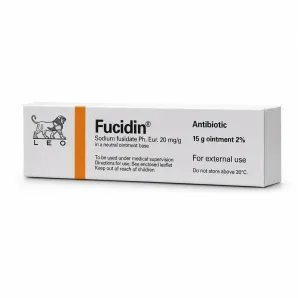 Fucidin Ointment
Sodium fusidate 2% ointment for infected wounds
✓ In stockFrom 115.00 ฿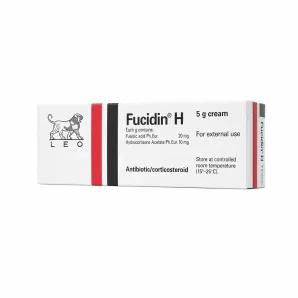 Fucidin H Cream
Fusidic acid + Hydrocortisone: fights & soothes
✓ In stockFrom 148.00 ฿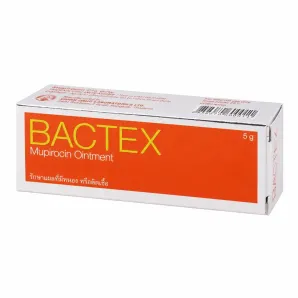 Bactex Ointment Mupirocin Topical Antibiotic
Mupirocin 2% ointment for infected wounds & impetigo
✓ In stockFrom 80.00 ฿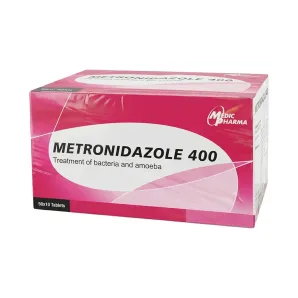 Metronidazole
Treats bacterial vaginosis & abnormal vaginal discharge
✓ In stock40.00 ฿(฿4/tablet)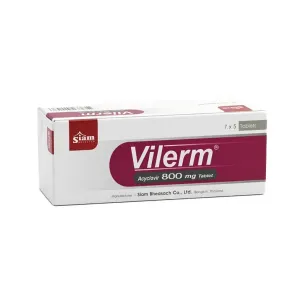 Vilerm
Oral herpes treatment reduces recurrence
✓ In stockFrom 55.00 ฿(฿11/tablet)
Become a member of our store to receive news and exclusive discounts.