Essential Mineral for Immunity, Skin Health and Wound Healing
Zinc deficiency can develop quietly — from inadequate dietary intake, chronic stress, or recovery from illness — affecting immunity, skin condition, wound healing, and even your sense of taste and smell. Supplementing with Zinc helps restore what the body needs.
💊 Available in several forms including zinc gluconate, zinc picolinate, and zinc bisglycinate — each with different absorption profiles suited to different needs. Consult a pharmacist to choose the best form for you.
👨⚕️ Consult a pharmacist online instantly — no travel, no queues, completely private and convenient.
🚚 Fast, confidential delivery — plain packaging with no product names on the outside, delivered safely to your door.
Zinc is an essential mineral the body cannot produce, so it must come from food or supplements. It supports over 300 enzymes, the immune system, and wound healing. Taking zinc early may shorten cold duration by about 33 percent and help control sebum, easing acne. It suits people who catch colds often or have oily, acne-prone skin. Adults shouldn't exceed about 40 mg daily.
🛒 Shop the range above · 24-hour dispatch from Intimo Life — consult a pharmacist if unsure.
Zinc is an essential mineral the body cannot produce on its own — it must come from food or supplementation. Zinc participates in more than 300 enzymatic reactions and plays a central role in immune defence, protein synthesis, cell division, wound healing, and skin health.
📊 Key clinical statistics:
Approximately 17% of the global population has insufficient zinc intake, with higher rates in older adults, vegetarians, and young children
Zinc supplementation may reduce the duration of the common cold by approximately 33% when started within the first 24 hours of symptom onset
Zinc bisglycinate has roughly 2× higher bioavailability than zinc oxide, as the chelate form is less affected by dietary inhibitors
💊 At Intimo Life, Zinc (ซิงค์) supports several key areas:
Immune defence and cold support — supports white blood cell function and may reduce severity of upper respiratory infections
Skin and acne — helps regulate sebum production and reduce inflammation, potentially supporting acne management
⚠️ The Upper Tolerable Intake Level for adults is approximately 40 mg/day. Long-term excess zinc intake can impair copper absorption and cause nausea. Consult a pharmacist or doctor before use if pregnant, have an underlying health condition, or are taking other medications.
Medically reviewed by
ทีมเนื้อหา Intimo Life | Supatcheree A., Pharmacist
Zinc is an essential trace mineral — the body cannot make or store it in large amounts, so a consistent dietary or supplemental supply is needed. It is required for the function of more than 300 enzymes and plays a foundational role across multiple body systems.
Enzymes and metabolism — a cofactor for enzymes governing digestion, protein synthesis, and energy pathways
Immune system — essential for the development and activation of T-cells and B-cells
Cell division and DNA — involved in DNA repair, tissue growth, and wound healing
Senses of taste and smell — zinc deficiency can impair taste and smell perception
Good dietary sources include oysters, red meat, legumes, nuts, seeds, and fortified cereals. Zinc from plant sources is less bioavailable than from animal sources due to phytate inhibition.
What does Zinc (ซิงค์) help with? What are the key benefits?
Zinc (ซิงค์) has been studied across several areas of health support:
Immunity and colds — supports immune cell function; research suggests zinc supplementation may shorten the duration and severity of the common cold, especially in lozenge form
Skin and acne — regulates sebum and has anti-inflammatory properties; studies show zinc may help reduce the severity of acne vulgaris, though it is less potent than oral antibiotics
Wound healing — essential for collagen synthesis and skin cell division, supporting the healing process
Male reproductive health — contributes to testosterone production and sperm quality
Senses and eye health — supports night vision and maintains the senses of taste and smell
Zinc is a dietary supplement, not a medication. Benefits are most significant in individuals who are genuinely deficient. If unsure whether you are zinc-deficient, consult a pharmacist before supplementing.
How to take Zinc (ซิงค์) correctly? When and how much per day?
The general recommended dietary allowance (RDA) for zinc in adults is 8–11 mg/day, while supplemental doses typically range from 15–30 mg/day depending on purpose and form.
Best time to take — zinc is best absorbed on an empty stomach (1 hour before or 2 hours after meals). If nausea occurs, take with food instead
Avoid combining with — high-calcium foods or dairy, high-phytate whole grains, and high-dose iron supplements, all of which can compete with zinc absorption
Upper Tolerable Intake Level (UL) for adults — 40 mg/day. Chronic intake above this level can impair copper absorption
Duration — consult a pharmacist if planning to supplement for more than 3–4 months continuously
For zinc lozenges (e.g. MYBACIN), allow the tablet to dissolve slowly in the mouth as directed. Do not chew or swallow immediately — direct contact with throat mucosa is part of the intended mechanism.
What are the side effects of Zinc (ซิงค์)? Is it dangerous to take too much?
Zinc is generally safe at appropriate doses, but there are side effects and risks to know:
Nausea and GI discomfort — most common, especially when taken on an empty stomach. Taking with food reduces this significantly
Acute zinc excess — severe nausea, vomiting, stomach cramps, and fatigue, typically from single doses above 150–450 mg
Chronic excess (>40 mg/day long-term) — impairs copper absorption, leading to copper deficiency which can affect the blood and nervous system; may also lower HDL (good) cholesterol
Drug interactions — zinc reduces absorption of tetracycline and quinolone antibiotics. Separate intake by at least 2 hours if taking these medications
If severe nausea occurs after taking zinc, stop and consult a pharmacist or doctor — especially for individuals on multiple medications.
Who should consider Zinc (ซิงค์)? Who should exercise caution or avoid it?
Not everyone needs zinc supplementation. Consider individual risk factors and needs:
Groups who may benefit from zinc supplementation:
Vegetarians and vegans — plant-based zinc is less bioavailable; higher deficiency risk compared to omnivores
Older adults — absorption and retention decrease with age
Pregnant and breastfeeding women — zinc requirements increase; only supplement under medical guidance at appropriate doses
People with GI conditions — Crohn's disease or malabsorption syndromes reduce zinc uptake
Heavy alcohol consumers — alcohol reduces zinc absorption and increases urinary zinc loss
Groups who should consult a doctor or pharmacist first:
Those taking tetracycline or quinolone antibiotics
Those taking penicillamine (rheumatoid arthritis treatment)
Individuals with chronic kidney disease
Those already supplementing high-dose iron
Zinc forms compared: Gluconate vs Picolinate vs Bisglycinate — how do they differ in absorption?
Zinc comes in several forms — choosing the right one can make a meaningful difference in absorption and tolerability.
Zinc Gluconate — the most widely available form, reasonably well absorbed, and affordable. Commonly found in lozenges for cold and throat support (e.g. MYBACIN)
Zinc Picolinate — bound to picolinic acid, a compound naturally produced in the body. Some studies suggest better absorption than gluconate, though evidence remains mixed
Zinc Bisglycinate (Amino Acid Chelate) — bound to the amino acid glycine; highly bioavailable and gentler on the stomach than inorganic forms. A good choice for those with sensitive digestion
Zinc Oxide — lowest cost but poorest bioavailability; primarily used in topical formulations
Zinc Sulfate — an older medical-grade form with moderate absorption but more GI irritation than chelate forms
For those prioritising absorption and stomach comfort, bisglycinate or picolinate are preferred. For cost-effectiveness, gluconate is a solid choice. Consult a pharmacist for personalised guidance.
Which zinc brand is best? Generic vs brand — what is the difference?
The answer to "which zinc brand is best" depends on the form, dosage, and intended use. Popular brands available in the Thai market include:
BLACKMORES Bio Zinc — zinc amino acid chelate combined with magnesium and vitamin B6, targeting skin health and hormonal balance; a well-known Australian brand
ONSET Zinc — Thai brand with zinc gluconate; accessible price point
AMSEL Zinc — Thai zinc gluconate focused on immunity and skin
MYBACIN — zinc gluconate + vitamin C lozenge for cold and throat support; must be dissolved slowly in the mouth rather than swallowed
Generic zinc supplements with the same active ingredient and form can be excellent value. What matters most is the zinc form (gluconate / picolinate / bisglycinate) and the elemental zinc content per tablet — not just the brand name. Consult a pharmacist for guidance based on your budget and health goals.
Research suggests that zinc supplementation may provide modest support for acne vulgaris by helping regulate sebum production and reducing inflammation. However, zinc is less potent than oral antibiotics (e.g. doxycycline) or retinoids for acne, making it more suitable for mild-to-moderate cases. It is not a cure. If acne is severe or does not respond after 2–3 months of consistent zinc supplementation, consult a dermatologist or pharmacist for a more targeted treatment plan.
Zinc absorbs best on an empty stomach — about 1 hour before meals or 2 hours after, as certain foods (particularly whole grains, legumes, and dairy) contain compounds that inhibit zinc absorption. However, if you experience nausea when taking zinc without food, switch to taking it with a meal. A slight reduction in absorption is preferable to stopping supplementation altogether due to stomach discomfort.
Daily zinc supplementation at doses within the Upper Tolerable Intake Level (40 mg/day for adults) is generally considered safe. However, taking high doses (above 40 mg/day) for extended periods without monitoring is not recommended, as it can disrupt copper absorption over time. For long-term supplementation, check in with a pharmacist every 3–4 months to reassess whether continued supplementation is still necessary for you.
Yes — chronic high-dose zinc intake is genuinely risky. Zinc and copper share the same absorption transporter (divalent metal transporter). When zinc intake is chronically elevated, copper absorption is suppressed, potentially leading to copper deficiency — which can cause anaemia, neurological symptoms, and weakened bones. This is why the adult Upper Tolerable Intake Level is set at 40 mg/day. If high-dose, long-term zinc supplementation is needed for a specific condition, consider co-supplementing with copper and consult a pharmacist first.
Zinc can be taken alongside many vitamins, but some combinations require care:
Combines well with — Vitamin C (complementary immune support) and Vitamins A/E (skin health synergy)
Caution with high-dose Iron — iron and zinc compete for the same absorption transporter. If taking both, space them at least 2 hours apart
Caution with high Calcium — high calcium intake can reduce zinc absorption; avoid taking together in the same dose window
Caution with antibiotics — tetracyclines and quinolones have reduced absorption when co-administered with zinc. Space by at least 2 hours
Consult a pharmacist if you are combining multiple supplements or medications.
There is scientific evidence supporting zinc's role in immune function. Multiple studies found that zinc supplementation — particularly in lozenge form — may reduce the duration of the common cold by approximately 33% when started within the first 24 hours of symptoms appearing. Importantly, zinc does not "cure" colds; it supports the body's ability to manage viral infection more efficiently. Benefits are most pronounced in individuals who were already zinc-insufficient before supplementing.
There is no single "best" brand for everyone — choose based on these factors: (1) Zinc form — bisglycinate or picolinate offer better absorption and gentler stomach tolerability than oxide, making them preferable for long-term supplementation; (2) Elemental zinc content — check the elemental zinc per tablet, not just the total salt weight on the label; (3) Purpose — for cold and throat support, a zinc gluconate lozenge (MYBACIN) is ideal; for long-term immunity and skin support, a bisglycinate or picolinate tablet is preferred. Thai brands like AMSEL and ONSET are affordable; BLACKMORES offers a combination formula. Chat with a pharmacist at Intimo Life via LINE for personalised advice.
Zinc is available online at Intimo Life — consult our pharmacist via LINE before ordering to get the right form and dosage for your specific needs. Pricing varies by zinc form (gluconate / picolinate / bisglycinate), brand, and pack size; Thai brands are generally more affordable than imports. Orders are dispatched quickly in plain packaging with no product names visible, ensuring complete privacy.
Dispatched within 24 hrs
Order today for fast delivery. No long waits—ready to ship locally.
100% Authentic
Handpicked authentic products with certified standards.
Discreet Shipping
Plain packaging, no product names. Your privacy is our priority.
Worldwide Shipping
Discreet worldwide shipping via Thailand Post
Sign Up and Get 10% Off your first purchase.
Become a member of our store to receive news and exclusive discounts.


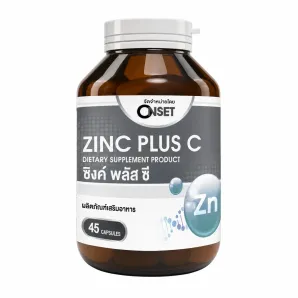 Onset Zinc Plus C
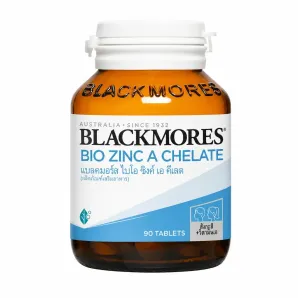 Blackmores Bio Zinc A Chelate