What Is Abdominal Cramping? What Does It Feel Like?
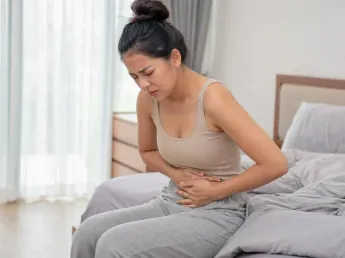
Abdominal cramping is stomach pain that feels like waves of squeezing tightness, rather than a dull continuous ache. It typically comes in episodes — pain rises then eases, on and off — caused by abnormal contraction of smooth muscle in internal organs such as the intestines or uterus. Knowing the abdominal cramps causes helps you choose the right relief and understand when to see a pharmacist.
Common characteristics
Squeezing pain in waves, which may shift around the lower abdomen or navel area
May come with bloating, fullness, or an urge to have a bowel movement
Severity ranges from mild to severe enough to stop normal activity
Sometimes eases after passing stool or gas
Most abdominal cramping is not dangerous and resolves on its own within 1-2 days. In some cases, however, it can signal a condition that needs medical attention (see warning signs section below).
What Causes Abdominal Cramps? — Abnormal Intestinal Spasm
The most common cause of abdominal cramping is abnormal spasm of intestinal smooth muscle, producing pain in waves.
Common causes
Gas in the stomach and intestines — from swallowing air, drinking carbonated beverages, or eating gas-producing foods
Irritable bowel syndrome (IBS) — a condition where the gut is abnormally sensitive to triggers, often with alternating constipation and diarrhea
Constipation — retained stool forces the intestines to contract harder
Indigestion — eating too quickly, or eating very fatty or spicy food
Stress and anxiety — directly affects the gut's nervous system function
Most of these causes are not severe and respond well to dietary and lifestyle adjustments.
Abdominal Cramps From Menstruation (Period Pain)
Menstrual pain (Dysmenorrhea) is another key cause of abdominal cramping, caused by the uterus contracting to shed its lining during menstruation. A substance called prostaglandin triggers stronger uterine muscle contractions.
Characteristics of menstrual pain
Squeezing pain in the lower abdomen, usually starting just before or on the first day of the period
May radiate to the lower back or thighs
Some people also experience nausea, headache, or fatigue
Usually improves within the first 2-3 days of the cycle
Mild menstrual pain is a normal part of the body's cycle. But if pain is severe enough to disrupt daily life every month, it's worth consulting a doctor to check for other underlying causes, such as endometriosis.
When the body encounters bacteria or toxins from contaminated food, the intestines contract more forcefully to expel the foreign substance, producing cramping along with other symptoms.
Symptoms that often accompany this
Diarrhea, frequent loose stools
Nausea, vomiting
Low-grade fever in some cases
Cramping in waves before a bowel movement
Mild food poisoning usually resolves on its own within 1-3 days. The most important step is replacing lost fluids and electrolytes to prevent dehydration.
Warning Signs That Need Immediate Medical Care
Most abdominal cramping is not dangerous, but certain signs must not be ignored — seek a doctor or emergency care immediately:
❗ Sudden severe pain — pain that prevents movement or keeps getting worse
❗ High fever together with abdominal pain
❗ Persistent vomiting or vomiting blood
❗ Blood in stool or black, tarry stools
❗ A hard, very tender abdomen — especially pain that worsens when pressure is released (rebound tenderness)
❗ Pain radiating to the shoulder or back with heavy sweating or a racing heartbeat
❗ Pregnancy with abdominal cramping plus vaginal bleeding
❗ Pain lasting over 24-48 hours with no improvement at all
If one or more of these apply, seek medical care or go to the emergency room right away — don't self-medicate and wait it out.
Antispasmodics (Hyoscine) vs Pain Relievers (NSAIDs) — What's the Difference?
When abdominal cramping is mild and shows no warning signs, choosing relief that matches the underlying mechanism helps you recover faster. The two commonly used drug classes work in clearly different ways.
Antispasmodics — e.g. Hyoscine Butylbromide
Directly relaxes smooth muscle spasm in the intestines and uterus. Suited for cramping-type pain such as IBS-related cramps, gas pain, or menstrual pain with a squeezing character.
NSAID pain relievers — e.g. Ibuprofen, Mefenamic Acid
Works by reducing prostaglandin production, the substance that drives inflammation and uterine contraction. Suited for pain with an inflammatory component, particularly menstrual pain driven by high prostaglandin levels.
Which one to choose
Both classes can be combined in some cases under a pharmacist's or doctor's guidance, but always read the label and follow the recommended dose. If pain doesn't improve within 2-3 days, consult a doctor or pharmacist.
Drug type
Mechanism
Best for
Example
Antispasmodic
Directly relaxes intestinal/uterine smooth muscle
Cramping pain, IBS
Hyoscine Butylbromide
NSAID pain reliever
Reduces prostaglandin, anti-inflammatory
Menstrual pain, inflammatory pain
Ibuprofen, Mefenamic Acid
📖 Read more: Targeted antispasmodic relief for abdominal cramps and intestinal spasm — Buscopan (Hyoscine) 10mg
Self-Care Ways to Relieve Abdominal Cramps
🔥 Warm compress on the abdomen
Apply a hot water bottle or warm cloth to the lower abdomen for 15-20 minutes; helps relax smooth muscle and eases pain.
💧 Stay well hydrated
Especially with accompanying diarrhea or vomiting, sip water or electrolyte solution frequently to prevent dehydration.
🍽️ Avoid trigger foods
Temporarily skip very fatty or spicy food, carbonated drinks, and caffeine until symptoms improve.
🧘 Rest and reduce stress
Lie in a comfortable position with knees slightly bent to ease abdominal tension; slow deep breathing helps reduce muscle tension.
🚶 Light movement
Gentle walking can stimulate intestinal movement and reduce bloating in some cases.
Choosing the Right Medication for Your Symptoms
Cramping from gas or IBS
Best suited to antispasmodics like Hyoscine Butylbromide, which directly relaxes intestinal contraction.
Menstrual pain
Either an antispasmodic for squeezing-type pain, or an NSAID like Ibuprofen or Mefenamic Acid for pain with an inflammatory component, depending on each person's symptom pattern.
Pain from food poisoning
Focus mainly on replacing fluids and electrolytes. Antispasmodics can ease the cramping, but avoid self-medicating with anti-diarrheal drugs if infection is suspected — check with a pharmacist first.
Whichever class you choose, read the label carefully, follow the recommended dose and directions, and consult a pharmacist if you have underlying conditions or take other medications.
Preventing Abdominal Cramps From Recurring
Eat on a regular schedule, chew slowly — reduces indigestion and gas buildup
Cut back on very fatty/spicy food and carbonated drinks — common triggers of cramping
Drink enough water daily — keeps the digestive system working normally
Exercise regularly — reduces stress and stimulates healthy bowel movement
Manage stress — practice breathing exercises, meditation, or other relaxing activities
Track your own patterns — note which foods or activities tend to trigger cramping, to avoid them going forward
Frequently Asked Questions
Ordinary cramping from gas or indigestion usually improves within 1-2 days with rest and adequate fluids. Food poisoning may take 1-3 days. If pain persists beyond 2-3 days without improvement, see a doctor.
Ordinary abdominal cramping comes from intestinal contraction, while period pain comes from the uterus contracting to shed its lining. Period pain is centered in the lower abdomen and tied to the menstrual cycle. Both feel like squeezing pain but differ in location and timing.
In general, they can be combined in some cases, such as menstrual pain with both cramping and inflammation. Always check with a pharmacist first to confirm dosing and any possible interactions.
Seek immediate medical care for sudden severe pain, high fever, persistent vomiting, blood in stool, a hard and very tender abdomen, or pain lasting over 24-48 hours without improvement.
Yes, genuinely. Stress and anxiety directly affect the gut's nervous system, causing abnormal intestinal contraction and cramping. Managing stress can help reduce these symptoms.
Occasional mild cramping can be normal as the uterus expands. But cramping combined with vaginal bleeding, severe pain, or fever requires immediate medical attention for the safety of mother and baby.
If symptoms don't improve within 2-3 days of using an antispasmodic as directed, consult a doctor or pharmacist to check for other underlying causes. Don't increase the dose yourself or use it continuously for a long period.
Recurring chronic cramping may stem from IBS, endometriosis, or other digestive conditions that require a doctor's diagnosis. Don't let it recur repeatedly without investigating the cause.
⚠️ Disclaimer
The information on this page is for general informational purposes only and is not intended to replace professional medical advice, diagnosis, or treatment from a qualified doctor or pharmacist. If you have any questions about your symptoms or medication, always consult a doctor or pharmacist first.


 Metronidazole
 Vilerm
 Firide
 Gofen
Gofen Annylyn
 Sumigran
 Preme
Preme Tofago
 B-Ciprofloxacin
 Tansy One
 Enaril
 Nasonex