Which hydrocolloid acne patch is right for you? Short answer: it depends on when you use them and what type of pimple — all acne patches (pimple patches) in this store use hydrocolloid with no active drug, absorbing pus and fluid equally well. The difference is thickness, size, and visibility on skin. See the comparison table below to find your match.
What Are Acne Patches? How Does Hydrocolloid Work?
Acne patches (pimple patches) are small adhesive discs made from hydrocolloid — a moisture-absorbing material used in medicine for over 30 years (originally for diabetic wound dressings).
How hydrocolloid works
When the patch contacts pus or fluid from a pimple, the material swells and draws the liquid out. You'll notice the patch turns cloudy white after use — a sign it's working.
Absorbs pus, fluid, and sebum from the pimple
Maintains moisture (moist healing) to speed skin surface recovery
Protects the spot from fingers, reducing bacterial contamination
Reduces inflammation from external irritants (dust, PM2.5)
A 2023 PMC study confirmed hydrocolloid dressings significantly reduce recovery time for whiteheads compared to uncovered spots.
What Acne Patches Do — and Their Limits
What patches help with
✅ Inflammatory pimples with a head (pustule) — patches absorb white pus most effectively
✅ Whiteheads — absorb trapped sebum well
✅ Picked spots with fluid — covers and protects, speeds recovery
✅ Preventing picking — physical barrier stops hand contact
Acne patches are effective on the right pimple type — using them on the wrong type wastes patches and delays treatment:
Blind pimples / Closed comedones / Nodules
Bumps under the skin with no visible white head — hydrocolloid cannot reach pus 2-3 mm below the surface. Use a retinoid spot treatment (Differin Gel) or Benzoyl Peroxide (Benzac) to treat from within.
Blackheads / Open comedones
Oxidized sebum in open pores — no fluid to absorb; patches don't help. Use salicylic acid or retinoids to exfoliate the pore lining.
Severe cystic / nodulocystic acne
Large deep nodules, very painful — usually requires pharmacist or doctor for antibiotics or intralesional injection.
Dry, peeling, or inflamed skin around the patch area
If skin around the pimple has eczema, rash, or allergy — treat the skin first; a patch may increase irritation.
Hydrocolloid acne patches provide 3 benefits: (1) absorb pus and fluid from headed pimples, speeding healing; (2) prevent picking, reducing bacterial contamination from fingers; (3) maintain moisture for faster surface skin recovery — but they don't treat root causes or pimples without a visible head.
Best time is after evening face wash / before bed — skin is clean and fully dry, patch adheres well and absorbs for 6-8 hours overnight. For daytime use, choose the thin version or clear version that can be worn under makeup.
Absolutely not — squeezing increases inflammation, raises infection risk, and can leave permanent dark marks. Acne patches are designed to absorb pus on their own without squeezing. Simply apply and leave overnight; the patch turns cloudy white when it has absorbed.
Yes, if you choose the right version — Nexcare Thin or Nexcare Clear work under makeup without lifting or bulging. The standard thick Nexcare is not ideal for makeup as the raised edge shows through.
Yes, and it's recommended — overnight wear (6-8 hours) gives the best results as skin repairs itself during sleep and the patch absorbs continuously. If the patch is barely cloudy in the morning, the pimple had little fluid or is already healing.
Recommended 6-8 hours per patch — when the patch turns fully cloudy white it is saturated and should be replaced. If the pimple still has fluid, immediately apply a fresh patch. Avoid wearing the same patch for more than 12 hours without changing it.
Order at Intimo Life — Acne Patch Collection. Options include Nexcare Standard, Nexcare Thin, Nexcare Clear, and Acnes Sterile Dressing. Dispatched within 24 hours in plain discreet packaging.
⚠️ Disclaimer
The information on this page is for general informational purposes only and is not intended to replace professional medical advice, diagnosis, or treatment from a qualified doctor or pharmacist. If you have any questions about your symptoms or medication, always consult a doctor or pharmacist first.



 Metronidazole
 Vilerm
 Firide
 Gofen
Gofen Annylyn
 Sumigran
 Preme
Preme Tofago
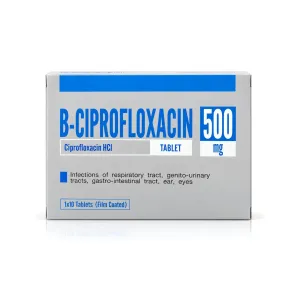 B-Ciprofloxacin
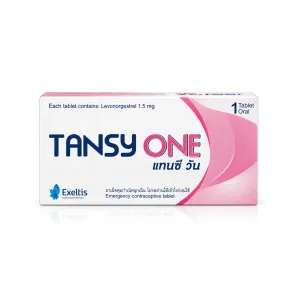 Tansy One
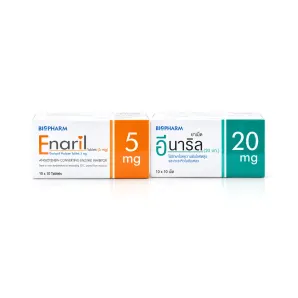 Enaril
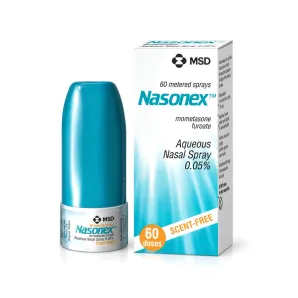 Nasonex