What Should You Take for Cystitis? It is usually treated with antibiotics, and the drug chosen depends on the type of bacteria and how severe the infection is:
First-line drugs include Nitrofurantoin, TMP-SMX and Fosfomycin
Second-line drugs include Fluoroquinolones such as Ciprofloxacin
Penicillins such as Amoxicillin + Clavulanic acid are used as an alternative
Treatment usually lasts 3–7 days
Never stop the course early even if symptoms improve — doing so raises the risk of antibiotic-resistant bacteria
Symptoms typically start improving within 36 hours of starting antibiotics
Medically reviewed by
Supatcheree A., Pharmacist | Sources: NHS, NIDDK, PubMed
First-line drugs are the ones clinical guidelines recommend trying first, because they combine high effectiveness, few side effects and low resistance rates.
Nitrofurantoin
Drug class: Nitrofuran
Typical dose: 100 mg twice a day for 5 days
Advantages: Very low resistance rate, and it works specifically in the bladder
Limitations: Not suitable for people with kidney problems (creatinine clearance < 60 mL/min), and it does not treat infections that reach the kidney
Trimethoprim-Sulfamethoxazole (TMP-SMX)
Drug class: Sulfonamide + dihydrofolate reductase inhibitor
Typical dose: 160/800 mg twice a day for 3 days
Advantages: Inexpensive, fast-acting, short course
Limitations: Only appropriate where local E. coli resistance stays under 20%
Limitations: May be slightly less effective than other options, and is not widely available in every country
Second-Line Antibiotics: Fluoroquinolones
Fluoroquinolones are broad-spectrum antibiotics that work well against cystitis, but they are classed as second-line because of concerns over side effects and rising resistance.
Ciprofloxacin
Drug class: Fluoroquinolone
Typical dose: 250–500 mg twice a day for 3 days (for uncomplicated cystitis)
Advantages: Broad spectrum covering many bacteria, with improvement often seen within 1–2 days
Limitations: Carries a risk of serious side effects such as tendon inflammation or rupture and nerve damage; not recommended for older adults or anyone also taking steroids
When would a doctor choose a fluoroquinolone?
Allergy to every first-line option
Resistance to first-line drugs confirmed by culture
A complicated UTI, or one that has spread to the kidney
Patients with underlying conditions who need a broad-spectrum drug
Penicillins are not the first choice for cystitis, but they can be used when other drugs are not suitable.
Amoxicillin + Clavulanic acid
Drug class: Penicillin + beta-lactamase inhibitor
Typical dose: 500/125 mg twice a day for 5–7 days
Advantages: Clavulanic acid restores activity against bacteria resistant to amoxicillin alone, and it is safe in pregnancy
Limitations:E. coli resistance runs fairly high, the course is longer than first-line options, and it can cause diarrhoea
Amoxicillin alone
Amoxicillin on its own is not recommended for cystitis because of high resistance rates, except when a culture confirms the bacteria are still sensitive to it.
Comparing Antibiotics for Cystitis
Antibiotic
Tier
Duration
Advantages
Limitations
Nitrofurantoin
First-line
5 days
Low resistance, targets the bladder specifically
Not for kidney patients; does not cover the kidney
TMP-SMX
First-line
3 days
Inexpensive, fast-acting
Only where resistance is <20%
Fosfomycin
First-line
Single dose
Convenient one-time dose
May be slightly less effective
Ciprofloxacin
Second-line
3 days
Broad spectrum, fast results
Serious side effects; rising resistance
Amoxicillin + Clavulanic acid
Alternative
5-7 days
Safe in pregnancy
Fairly high resistance; longer course
How Long Do You Need to Take Antibiotics?
Treatment length depends on the type of drug and how severe the infection is.
Situation
Treatment length
Notes
Uncomplicated cystitis
3-5 days
Most first-line drugs
Complicated cystitis
7-14 days
With an underlying condition
Pregnancy
7 days
Needs careful drug selection
Pyelonephritis (kidney infection)
7-14 days
Severe cases may need injections
Important: Even though symptoms often improve within 1–2 days of starting treatment, the full course must be finished exactly as prescribed. Stopping early is the main cause of resistant bacteria and repeat infections.
Precautions When Taking Antibiotics
❌ Things to avoid
Buying antibiotics and taking them without seeing a doctor or pharmacist — you may pick the wrong drug or the wrong dose
Stopping as soon as you feel better — the bacteria left behind can become resistant
Using leftover medicine from a previous course — it may be expired or not match the current infection
Taking milk or antacids together with Fluoroquinolones — this reduces how much the drug is absorbed
✅ Things to do
Drink plenty of water while taking the medicine to help flush out bacteria
Take doses on time, every 12 hours for a twice-daily drug
Watch for side effects such as rash, diarrhoea or nausea — see a doctor right away if they are severe
Tell your doctor about any other medicines you take to avoid drug interactions
Buy Cystitis Antibiotics at Intimo Life
If you need antibiotics for cystitis, you can order online at Intimo Life and speak with a pharmacist before you buy. Related products include:
Join Intimo Life as a member for extra benefits, and ask a pharmacist before you decide to order.
Key Facts About Antibiotics and Cystitis
💊 Fluoroquinolones are the most commonly prescribed class, accounting for about 51.6% of cystitis treatment in primary care, despite being a second-line option (PMC)
🦠 E. coli causes about 86% of uncomplicated cystitis cases (AAFP)
⏱️ Symptoms typically start improving within 36 hours of starting antibiotics (NIDDK)
📊 Prescriptions longer than guidelines recommend are found in 71–82% of cases (PMC)
🏥 Cystitis leads to more than 8 million healthcare visits a year in the United States (NIDDK)
💰 UTI-related costs exceed 1.6 billion US dollars a year in the United States (AAFP)
Real Experience
Many people who have had cystitis say symptoms noticeably improve within 1–2 days of starting antibiotics, especially the burning sensation. A common mistake is stopping the medicine as soon as it feels better, which often leads to the infection returning within a few weeks. Finishing the course exactly as prescribed matters most.
Guidelines recommend Nitrofurantoin, TMP-SMX and Fosfomycin as first-choice options, with Ciprofloxacin as a second-line choice. Always check with a doctor or pharmacist to pick the drug that suits your symptoms.
For uncomplicated cystitis, treatment usually runs 3–5 days depending on the drug. Symptoms often start improving within 1–2 days, but the full course still needs to be finished as prescribed.
This is not recommended. Each antibiotic has its own indications and limitations, and choosing the wrong one can fail to clear the infection and raise the risk of resistant bacteria. Always check with a doctor or pharmacist first.
Yes. Ciprofloxacin is a fluoroquinolone that works well against cystitis, but it is classed as second-line because of side effects that need watching. A doctor prescribes it when first-line drugs are not suitable.
Common side effects include nausea, diarrhoea and skin rash. Fluoroquinolones can also cause more serious effects such as tendon inflammation or nerve damage. Stop the medicine and see a doctor right away if anything feels wrong.
No. Even once symptoms improve, stopping the course early lets the remaining bacteria develop resistance and raises the chance the infection will come back.
If symptoms have not improved after finishing the course, or the infection returns within 2–4 weeks, see a doctor again for a urine culture and sensitivity test so a more targeted drug can be chosen.
The main cause is a bacterial infection, especially E. coli from the bowel. Less common causes include chemical irritation, radiation, or a reaction to certain medicines.
⚠️ Disclaimer
The information on this page is for general informational purposes only and is not intended to replace professional medical advice, diagnosis, or treatment from a qualified doctor or pharmacist. If you have any questions about your symptoms or medication, always consult a doctor or pharmacist first.



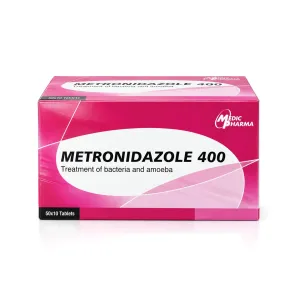 Metronidazole
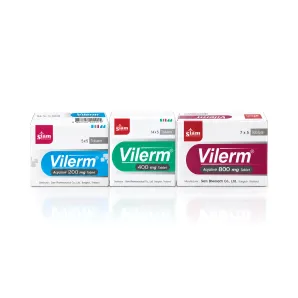 Vilerm
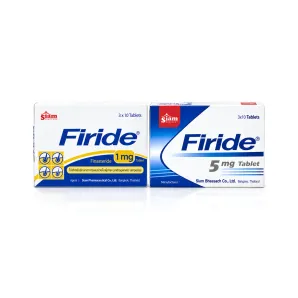 Firide
 Gofen
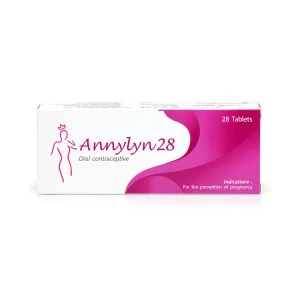 Annylyn
 Sumigran
 Preme
 Tofago
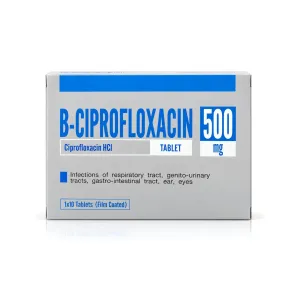 B-Ciprofloxacin
 Tansy One
 Enaril
 Nasonex