Cystitis symptoms can show up in several ways, because cystitis is a bacterial infection of the lower urinary tract that is very common, especially in women. Symptoms usually appear fairly suddenly and can disrupt daily life significantly.
The main symptoms to know
Painful urination (dysuria) — the most common symptom: a burning or stinging feeling while urinating, especially near the end
Unusual urinary frequency — you may need the bathroom every 10-15 minutes, passing only a small amount each time
Lower abdominal pain (suprapubic pain) — a heavy or tender feeling just above the pubic bone
Constant urge to urinate (urgency) — still feeling the need to go again right after using the bathroom
Cloudy or strong-smelling urine — bacteria change the colour and odour of urine
Blood in the urine (haematuria) — may appear pink or faintly red
Many people who have had cystitis describe the first thing they noticed as a strange feeling when urinating — a slight sting they brushed off at first. Within a day or two, it worsens to needing the bathroom every 10 minutes. Some describe it as "never feeling fully empty," which disrupts sleep and work. The one thing everyone agrees on: the sooner you treat it, the sooner it clears up — don't wait until it gets bad.
Frequently Asked Questions
Cystitis is caused by a bacterial infection, with clear burning pain on urination. OAB is a condition where the bladder contracts too often without any infection, so there is no burning pain or cloudy urine — the main symptoms are frequency and difficulty holding urine.
It's possible — painful urination is often the first symptom to appear, with others following later. But it can also come from other causes, such as irritation from soap or cleaning products, or a sexually transmitted infection. If it doesn't clear up within 1-2 days, ask a pharmacist or see a doctor.
Blood in the urine (haematuria) can occur with cystitis, usually as a faint pink tinge, and clears up once the infection is treated. But if the bleeding is heavy, bright red, or contains clots, see a doctor immediately, as another cause may be involved.
No, this isn't considered normal. Recurring more than twice in 6 months is classed as recurrent UTI, which may need further investigation and a different prevention approach.
Simple cystitis usually does not cause back pain — pain is mainly in the lower abdomen. Pain in the lower back or flank alongside it may signal that the infection has spread to the kidneys, so see a doctor promptly.
The main clues are fever and back pain — simple cystitis usually comes without fever or back pain, with symptoms mainly limited to painful urination and lower abdominal discomfort. Pyelonephritis adds high fever, chills, lower back or flank pain, and often nausea or vomiting. If those appear, see a doctor immediately.
Cystitis is far less common in men, and the main symptom of painful urination still applies, but in men it more often has an underlying cause, such as an enlarged prostate causing urine retention, and may come with pain in the perineum or testicles. It is worth seeing a doctor to find the real cause.
They can be — unusual fatigue happens because the body is fighting the infection, and pain during sex comes from inflammation in the bladder area causing discomfort during or after intercourse. These usually appear alongside the main symptoms, such as painful urination or lower abdominal pain, rather than on their own.
⚠️ Disclaimer
The information on this page is for general informational purposes only and is not intended to replace professional medical advice, diagnosis, or treatment from a qualified doctor or pharmacist. If you have any questions about your symptoms or medication, always consult a doctor or pharmacist first.



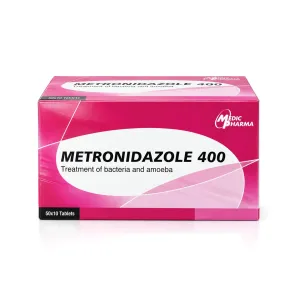 Metronidazole
 Vilerm
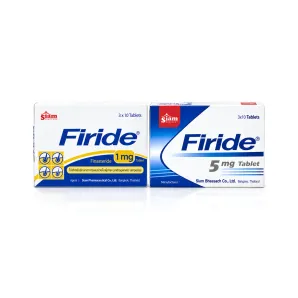 Firide
 Gofen
 Annylyn
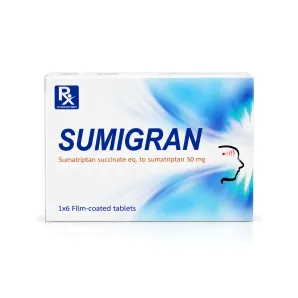 Sumigran
 Preme
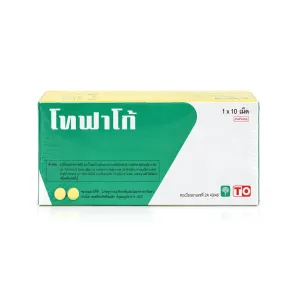 Tofago
 B-Ciprofloxacin
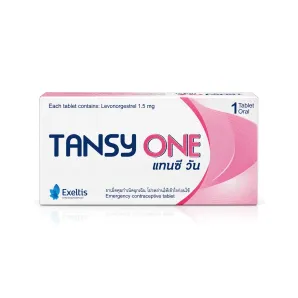 Tansy One
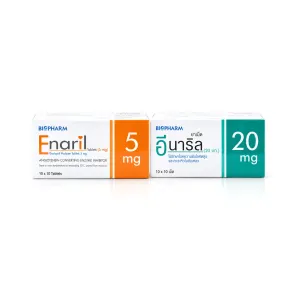 Enaril
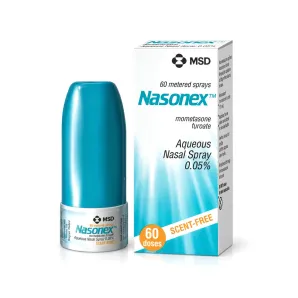 Nasonex