Start with rest from painful activity, cold packs for 15–20 min in the first 48h, light compression, and elevating the leg when resting to cut swelling and pain
Move the joint gently to avoid stiffness, then strengthen the thigh and hip muscles with quad sets and straight-leg raises to support the knee
Manage your body weight and choose cushioned shoes to offload the knee; enough sleep, protein and minerals like magnesium support normal muscle function
While it still hurts, avoid squatting, kneeling, frequent stairs, heavy lifting, and sudden high-impact exercise
Marked swelling, a locking knee, being unable to fully bend or straighten it, being unable to bear weight, deformity, or pain over 2 weeks → see a doctor
Medically reviewed by
Supatcheree A., Pharmacist | Sources: NHS, AAOS, MedlinePlus, NCBI
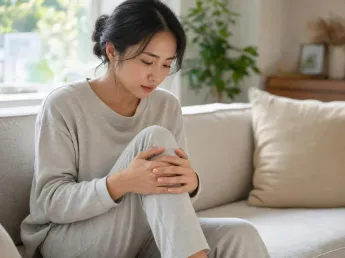
Knee pain exercises work best when you know the cause first — most knee pain comes from overuse or weak surrounding muscles, and it is not always serious.
Overuse — stairs, squatting, frequent kneeling
Weak thigh/hip muscles letting the kneecap track poorly
Recover from within — sleep, protein, and minerals like magnesium
Support the muscles around your knee from within with magnesium from Intimo Life — a mineral for normal muscle function. Fast delivery to your door.
Simple Exercises to Ease Knee Pain
Simple at-home moves focused on the thigh/hip muscles that support the knee.
Quad sets — sit with leg extended, tighten the thigh for 5 sec
Straight-leg raise — lift the straight leg slowly
Clamshell — strengthens hips, offloads the knee
Hamstring & calf stretch gently after warming up
Do only what doesn't increase pain; stop if it worsens.
What to Avoid With Knee Pain
While it hurts, avoid what adds load to the knee.
Squatting, kneeling, sitting cross-legged for long
Frequent unnecessary stairs
Heavy lifting
Sudden high-impact exercise (jumping, sprinting)
Excess body weight
Cold vs Heat
Cold
Heat
Use when
First 48h, acute pain/swelling
Chronic tightness, before moving
Effect
Reduces swelling/pain
Relaxes muscle, boosts circulation
Time
15–20 min
15–20 min
Which Knee Pain Needs a Doctor
Dull pain that eases with rest is self-care; some signs need a doctor.
Marked swelling or heat
Locking knee, can't fully bend/straighten, or instability
Can't bear weight
Deformity after trauma
Pain over 2 weeks despite care
How to Prevent Knee Pain From Coming Back
Once the pain eases, keep up the care — a knee that has hurt before is more likely to hurt again if you stop too soon.
Keep strengthening the thigh and hip muscles even after the pain is gone; stronger, more balanced muscles support the knee joint and absorb impact better during everyday movement.
Manage your body weight — extra body weight adds more load on the knee joint with every step while walking.
Warm up and stretch before every workout or sport, and increase intensity or distance gradually instead of pushing hard right away.
Choose shoes that cushion impact well, especially for running or long walks, to reduce the force that travels up to the knee.
Watch for pain that comes and goes right over a tendon and worsens with activity — that can be knee tendonitis, which needs slightly different care than general knee pain.
What to Tell a Pharmacist or Doctor
If the pain does not improve as expected, bring this information with you — it helps a pharmacist or doctor assess it faster:
Whether it is one knee or both, and how long it has hurt
Which activities or positions make it worse
Any past injury to the knee
Whether there is swelling, redness, warmth, or locking
Any medicines or supplements you are currently taking
Frequently Asked Questions
Mild-to-moderate knee pain is usually manageable with rest, compress, gentle movement, and quad strengthening. See a doctor if no better in 2 weeks.
Acute swelling = cold; chronic tightness = heat (see the table above).
Don't stay still all day — gentle movement and short walks keep the joint from stiffening, but avoid activities that worsen pain.
Avoid squatting, kneeling, long cross-legged sitting, frequent stairs, and heavy lifting while it still hurts.
Yes — strong thigh and hip muscles support and offload the knee joint, reducing recurrence.
If the knee is very swollen, locks, can't bear weight, is deformed after trauma, or pain lasts over 2 weeks.
Prevent recurring knee pain by managing your weight, continuing to strengthen the thigh and hip muscles even after the pain eases, warming up before every workout, and choosing shoes that cushion impact well.
Pain that sits right over a tendon and worsens with activity may be knee tendonitis, which needs slightly different rest and care than general knee pain — ask a pharmacist or doctor if it does not improve.
⚠️ Disclaimer
The information on this page is for general informational purposes only and is not intended to replace professional medical advice, diagnosis, or treatment from a qualified doctor or pharmacist. If you have any questions about your symptoms or medication, always consult a doctor or pharmacist first.


 Metronidazole
 Vilerm
 Firide
 Gofen
Gofen Annylyn
 Sumigran
 Preme
Preme Tofago
 B-Ciprofloxacin
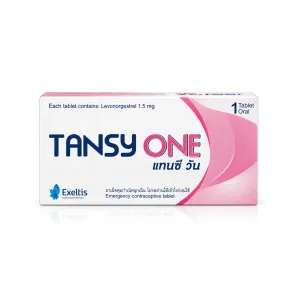 Tansy One
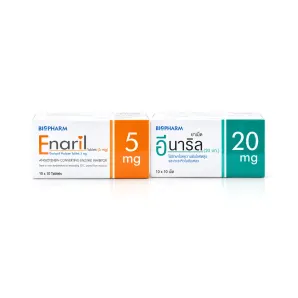 Enaril
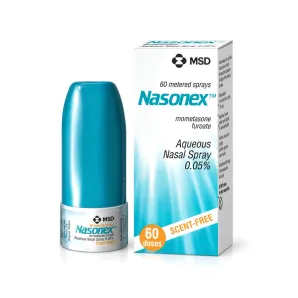 Nasonex