Wondering about knee tendonitis recovery time first? Knee tendonitis is irritation/inflammation of a knee tendon (e.g. the patellar tendon) from repetitive load.
Pain below the kneecap or around the knee, especially when moving
Worse with stairs, jumping, or long knee-bent sitting
Possible mild swelling and tenderness over the tendon
Stiffness in the morning or after sitting
Knee tendonitis differs from general patellofemoral pain in that the tenderness sits directly over the tendon itself rather than around the kneecap, and it is more closely tied to repetitive impact activity. Left untreated for too long without rest, the tendon can develop chronic degeneration that becomes harder to treat.
What Causes Knee Tendonitis — Risk Factors
Most cases come from overusing the tendons around the knee without enough time to recover.
Repetitive impact activities such as running, jumping or frequent stairs
Increasing intensity or distance too fast without a gradual build-up
Weak or overly tight thigh muscles, which puts extra load on the tendon
Hard training surfaces or poorly cushioned shoes
Abnormal leg alignment that increases pressure on the tendon below the kneecap
Knee Tendonitis — How Long to Recover
Depends on severity and rest — the sooner you rest, the faster it settles.
Factors that affect recovery time include how severe the inflammation is, blood flow to the tendon (which is lower than in muscle, so tendons heal more slowly), age, and how consistently you follow the rest and strengthening advice. Returning to full activity too soon usually brings the symptoms back and makes total recovery take even longer.
Recover from within — sleep, protein, and minerals like magnesium
Support the muscles around your knee from within with magnesium from Intimo Life — a mineral for normal muscle function. Fast delivery to your door.
When pain or swelling is more severe, a topical or oral anti-inflammatory pain reliever may help in the short term — check with a pharmacist first to choose the option that best suits your own symptoms and health history.
Preventing Knee Tendonitis From Returning
Prevent it by preparing the muscles and increasing load gradually.
Most cases self-resolve, but some signs need a doctor.
Marked swelling or clear heat
Can't bear weight
Knee gives way / feels unstable
Severe night pain
No improvement in 2 weeks despite rest
A doctor may examine the knee and may order further tests, such as an ultrasound or X-ray, to rule out other conditions with similar symptoms, such as a partial tendon tear or a problem with the cartilage under the kneecap, before planning treatment suited to how severe your case is.
Frequently Asked Questions
Mild acute cases often improve in 2–3 weeks; chronic ones may take 6 weeks to several months, depending on rest and care.
Mild cases often settle with rest from triggers and proper care, but pushing through usually makes it chronic.
Reduce or pause triggers (jumping, running, stairs) temporarily and switch to low-impact options like swimming.
Cold early when painful/swollen; heat for chronic tightness before moving.
If markedly swollen, can't bear weight, the knee gives way, severe night pain, or no better in 2 weeks.
It comes from repeated overuse of the tendons around the knee, such as running, jumping or frequent stairs, without enough recovery time, combined with weak or overly tight thigh muscles, which puts extra strain on the tendon until it becomes irritated and inflamed.
Not always. A knee brace can help support the joint and reduce impact during activity for some people, but it does not replace rest and muscle strengthening. If you are unsure whether to use one, ask a pharmacist or doctor.
⚠️ Disclaimer
The information on this page is for general informational purposes only and is not intended to replace professional medical advice, diagnosis, or treatment from a qualified doctor or pharmacist. If you have any questions about your symptoms or medication, always consult a doctor or pharmacist first.



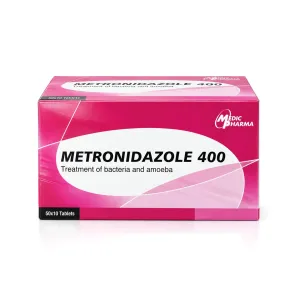 Metronidazole
 Vilerm
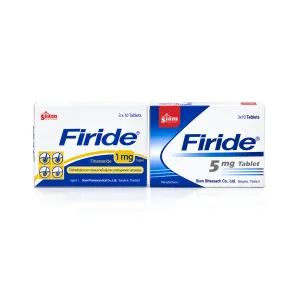 Firide
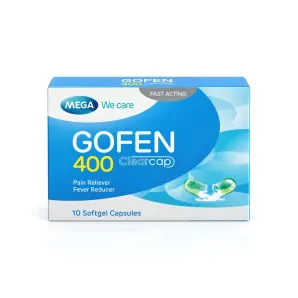 Gofen
Gofen Annylyn
 Sumigran
 Preme
Preme Tofago
 B-Ciprofloxacin
 Tansy One
 Enaril
 Nasonex