Each migraine progresses through 4 distinct phases — beginning before the pain and continuing after — recognizing them improves treatment timing and overall management:
📚 This article covers all migraine symptoms organized across the 4 distinct phases occurring in the brain.
How Many Phases Does a Migraine Have?
Migraine is not just a headache — it is a 4-phase neurological process from before the pain begins until well after it ends. Brain chemistry and electrical activity start changing 1-2 days before the pain phase.
Most patients don't realize there are 4 distinct phases, so they react too late — but recognizing each phase helps you:
Take medication early — Triptans work best at pain onset
Prepare before the pain — reschedule meetings, set up a rest space
Avoid triggers — once you know an attack is coming
Know when recovery is normal — Postdrome is not a relapse
Prodrome is the warning phase occurring 1-2 days before the pain. The hypothalamus begins functioning abnormally, causing subtle but distinctive feelings that patients often struggle to describe.
Prodrome Symptoms
Mood changes — irritability, sadness, or unusual euphoria
Sensitivity to light/sound/smell — begins before pain
Excessive thirst
💡 How to use this phase: Start reducing triggers (coffee, alcohol, bright light), prepare medication, reschedule important meetings, hydrate, sleep well — sometimes you can "abort" the migraine at this stage.
Phase 2: Aura (Visual Disturbances)
Aura occurs in 20-30% of migraine patients, beginning 5-60 minutes before pain. It is a transient neurological dysfunction caused by Cortical Spreading Depression — a wave of altered electrical activity across the brain cortex.
Types of Aura
Visual Aura (most common — 90% of all auras)
Zigzag lines with shimmering edges (Fortification spectra)
Blind spots (Scotoma)
Flashing lights (Photopsia)
Blurred vision in one eye
Sensory Aura
Numbness in face, lips, or fingertips
Starts at fingertips, spreads up the arm and face
One-sided, usually matching the side that will hurt
Speech Aura (Aphasia)
Difficulty finding words
Trouble understanding speech
Motor Aura (Hemiplegic Migraine — rare)
One-sided weakness, mimicking stroke
First episode requires ER evaluation to rule out stroke
⚠️ After Aura: symptoms gradually resolve within 1 hour, then the pain phase begins — do NOT drive during Aura because vision and sensation are impaired.
💡 Some patients have Aura without subsequent pain (Silent migraine) — still considered migraine.
Phase 3: Headache (Pain Phase)
The headache phase is the most recognized — lasting 4-72 hours if untreated. Pain results from dilation of intracranial blood vessels and inflammation of the trigeminal nerve.
Pain Characteristics
One-sided — 60-70% of patients, located at temple, forehead, or behind one eye
Throbbing — pulsing with the heartbeat
Moderate-to-severe intensity — interferes with work and sleep
Worsens with movement — climbing stairs, bending, coughing, sneezing
Associated Symptoms
Nausea — 80% of patients
Vomiting — 30%
Photophobia — preference for darkness
Phonophobia — normal sounds feel too loud
Osmophobia — perfumes, food smells trigger nausea
Dizziness — balance problems
Blurred vision
Typical Behavior During Attack
Seek dark, quiet place to lie down — opposite of Cluster headache (restless)
Postdrome is the often-overlooked phase — occurring after the pain resolves, lasting 1-2 days. Many patients mistake it for a recurrence; in fact, the brain is returning to baseline.
Postdrome Symptoms
Fatigue — feels like recovering from flu
Brain fog, reduced concentration
Irritability or unusual mood elevation
Increased hunger or loss of appetite
Body aches — like after intense exercise
Mild dizziness
Residual light/sound sensitivity
How to Recover from Postdrome
Adequate rest — brain needs time to reset
Plenty of water — replace fluids lost through vomiting and sweating
Light meals — porridge, rice soup, banana
Avoid strenuous activity — both physical and mental
Avoid triggers — brain remains hypersensitive
💡 In children, Postdrome may show as "too quick recovery" — kids become hyperactive, very hungry, or unusually cheerful right after pain resolves.
Which Phase Gives Best Drug Response?
Timing is the most critical factor in acute migraine treatment — taking medication too late produces incomplete relief:
Prodrome Phase — Not Effective Yet
At this stage do NOT take Triptans — pain has not begun. Instead:
Apps like Migraine Buddy, N1-Headache (available in Thailand)
Mobile notes — for simplicity
💡 Track for at least 3 months before drawing conclusions — some triggers accumulate across days (e.g., 3 nights of poor sleep before an attack).
Frequently Asked Questions
Migraine pain is one-sided in 60-70% of patients — typically at the temple, forehead, behind one eye, or occipital area. A minority experience bilateral pain or pain that starts on one side and spreads. The quality is throbbing, pulsing with the heartbeat.
Each attack lasts 4-72 hours untreated, plus 1-2 days of Postdrome fatigue. With early Triptan treatment, pain can resolve in 30-60 minutes. Pain persisting beyond 72 hours is Status Migrainosus — requires medical attention.
Aura is a neurological signal occurring 5-60 minutes before pain in 20-30% of migraine patients. Features include: zigzag patterns, blind spots, flashing lights; numbness in face/hands; speech difficulty — caused by Cortical Spreading Depression. Symptoms resolve spontaneously within 1 hour.
Prodrome is the warning phase occurring 1-2 days before pain in ~80% of patients. Symptoms include mood changes, food cravings, neck/shoulder tension, frequent yawning, frequent urination, brain fog — providing an early window to potentially abort the migraine before it begins.
Postdrome is the recovery phase after migraine pain resolves, lasting 1-2 days. Patients feel post-flu fatigue, brain fog, increased hunger or appetite loss — a normal brain reset, not a migraine recurrence. Rest and hydration are key.
Migraine: one-sided throbbing + nausea + light/sound sensitivity, 4-72 hours, may have aura. Tension headache: dull bilateral pain, no nausea, lasts hours and improves with rest. Cluster headache: extreme pain around one eye, 15-180 min, patient is restless.
Seeing zigzag lines, blind spots, or flashing lights 5-60 minutes before headache is Visual Aura of migraine — from temporary visual cortex dysfunction. Resolves within 1 hour, followed by pain phase. Do NOT drive during Aura. First-time experience requires medical evaluation to rule out stroke.
Yes, very normal — this is the Postdrome phase seen in ~80% of patients. Fatigue, brain fog, body aches persist 1-2 days as the brain recovers from chemical and electrical disturbance. Rest, hydrate, eat lightly, and avoid heavy work for a day.
⚠️ Disclaimer
The information on this page is for general informational purposes only and is not intended to replace professional medical advice, diagnosis, or treatment from a qualified doctor or pharmacist. If you have any questions about your symptoms or medication, always consult a doctor or pharmacist first.



 Metronidazole
 Vilerm
 Firide
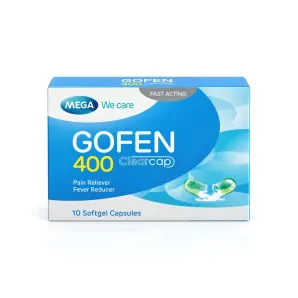 Gofen
Gofen Annylyn
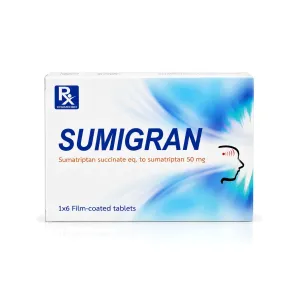 Sumigran
 Preme
Preme Tofago
 B-Ciprofloxacin
 Tansy One
 Enaril
 Nasonex