Muscle relaxants are pharmacologically divided into 3 major groups based on mechanism of action — each used for distinctly different conditions:
Antispasmodics (short-term use muscle relaxants) — act on the central nervous system to reduce muscle spasm signals from acute injury. The most commonly used group in pharmacies and general clinics — back pain, neck strain, shoulder tension all use this group.
Antispastics (muscle relaxants for neurological conditions) — act on the spinal cord or brain, used for chronic muscle spasticity from conditions like stroke, multiple sclerosis, cerebral palsy — always require specialist physician supervision.
Direct-acting (act directly on muscle tissue) — e.g. Dantrolene, rarely used in Thailand, mainly for malignant hyperthermia or severe spasticity.
The group most people encounter at the pharmacy is Antispasmodics, which has 4-5 main drugs, each with different strengths. We will cover each one in detail in this article.
Tolperisone — The Most Popular Muscle Relaxant in Thailand
What is Tolperisone?
Tolperisone is an Antispasmodic muscle relaxant widely used in Thailand. It acts on the central nervous system, particularly the brainstem and spinal cord, reducing muscle spasm signals without strong CNS sedation like sleeping pills.
Mechanism of Action
Tolperisone works by blocking sodium and calcium channels in spinal cord neurons, reducing muscle spasm signals. The result is muscle relaxation without significantly affecting consciousness — making it less sedating than Orphenadrine.
Common Doses
50 mg — starting dose for mild to moderate symptoms, taken 2-3 times/day after meals
150 mg — for more severe symptoms, or when 50 mg is insufficient
Brands in Thailand
Mydocalm — original brand from Sanofi/Gedeon Richter (Europe), the doctor-preferred standard
Biocalm — manufactured in Thailand, same active ingredient at 50 mg, an affordable alternative
Soneriper M, Sotolper, Tolper — other available brands
What is Soneriper M?
Soneriper M contains Tolperisone HCl 50 mg + Methylcobalamin (Vitamin B12) 0.5 mg in one tablet. The "M" stands for Methylcobalamin — which helps repair inflamed nerves. Often prescribed together when back pain involves nerve compression, or for numbness in arms and legs.
Notable Side Effects
Nausea, headache, mild drowsiness — common but not severe
Allergic rash — uncommon, but stop the drug immediately if it occurs
Drug-induced hepatitis — uncommon but serious; watch for yellow eyes, yellow skin, dark urine
Eperisone — The Least-Sedating Option
What is Eperisone?
Eperisone HCl is an Antispasmodic muscle relaxant with dual mechanism:
Muscle relaxation — by reducing nerve signals at the spinal cord
Local vasodilation — increases blood flow in spasmed muscles, helping clear inflammatory waste faster
Key Strength
Eperisone causes the least sedation among popular muscle relaxants in Thailand because it primarily acts on the spinal cord, with minimal impact on consciousness centers in the brain.
Dose
50 mg three times daily after meals — standard dosing, may be adjusted per symptoms and patient response.
Brands in Thailand
Myonal — primary brand from Eisai (Japan), well-established in Thai medical practice
Epenal, Epera — other available brands
Who Should Use Eperisone?
Office workers requiring concentration
Drivers, motorcycle taxi operators
Elderly patients who fear drowsiness and falls
Those who have tried Tolperisone but still felt drowsy
Orphenadrine — The Combination Formula
What is Orphenadrine?
Orphenadrine Citrate is an Antispasmodic muscle relaxant with anticholinergic properties (similar to older antihistamines), which is why it causes more drowsiness and dry mouth than other drugs in the class.
Why Combined with Paracetamol?
Orphenadrine relaxes muscles but does not directly relieve pain. Manufacturers combined Paracetamol into a single tablet for simultaneous dual action — Orphenadrine relieves spasm, Paracetamol relieves pain — convenient without needing multiple tablets.
Dose
Orphenadrine 35 mg + Paracetamol 450 mg per tablet, taken 1-2 tablets every 6-8 hours based on severity. Do not exceed 8 tablets per day as Paracetamol would exceed its maximum daily dose.
Brands in Thailand
Norgesic — primary popular brand
Norvic, Mygesic — other combination brands
Special Precautions
Do NOT take additional Paracetamol as it is already included — risk of overdose and liver damage
Causes more drowsiness than Tolperisone and Eperisone — avoid driving
Dry mouth, dry throat — due to anticholinergic effect
Contraindicated in glaucoma or enlarged prostate patients
Chlorzoxazone and Methocarbamol — Other Options
Beyond the 3 popular options, other Antispasmodic muscle relaxants are available in Thailand but less commonly used:
Chlorzoxazone
Acts on the spinal cord, similar to Tolperisone. Often dispensed at pharmacies as a general muscle-relaxer. Dose: 250 mg or 500 mg, 3-4 times daily. Notable side effect: may cause orange or red urine discoloration (harmless but alarming), and may affect the liver with long-term use.
Methocarbamol
More common abroad than in Thailand. Dose: 750 mg-1500 mg, 3-4 times daily. Common side effects: drowsiness, dizziness — an alternative in cases of allergy to Tolperisone or Eperisone.
Antispastics — Baclofen and Tizanidine for Neurological Conditions
The Antispastics group is used differently from Antispasmodics — for chronic muscle spasticity from neurological diseases, not general muscle aches.
Baclofen
Acts on GABA-B receptors in the spinal cord. Used for multiple sclerosis (MS), spinal cord injury, cerebral palsy. Starting dose 5 mg × 3 times/day, gradually titrated up. Do not stop suddenly as it may cause seizures or hallucinations.
Tizanidine
An alpha-2 adrenergic agonist that reduces excitatory signals in the spinal cord. Used for spasticity from stroke, MS, spinal cord injury. Dose 2-4 mg × 3 times/day — may cause low blood pressure, must start low and adjust gradually.
Dantrolene
A Direct-acting agent working on muscle tissue directly. Rarely used, only for malignant hyperthermia (an emergency reaction to anesthetics) or severe spasticity unresponsive to other drugs.
All Antispastics must be prescribed and monitored by a specialist physician — never self-medicate.
Complete Muscle Relaxant Comparison Table
Drug
Class
Brands in Thailand
Sedation
Used for
Tolperisone
Antispasmodic
Mydocalm, Biocalm
Low-moderate
Aches, acute back pain
Eperisone
Antispasmodic
Myonal
Lowest
Workers needing alertness
Orphenadrine
Antispasmodic
Norgesic
High
Acute pain needing fast relief
Chlorzoxazone
Antispasmodic
Various brands
Moderate
General pain (alternative)
Baclofen
Antispastic
Lioresal
High
MS, stroke, spinal injury
Tizanidine
Antispastic
Sirdalud
High
Chronic spasticity
Which Muscle Relaxant Suits Your Symptoms?
Back pain, neck strain, shoulder tension (general symptoms)
→ Tolperisone (Mydocalm or Biocalm) is the first choice — minimal drowsiness, safe, suitable for most people.
Need to work, drive, or focus
→ Eperisone (Myonal) least sedating, does not impact work performance.
Severe pain, need fast relief
→ Norgesic (Orphenadrine + Paracetamol) combined dual-action formula — but causes drowsiness, take before bed or on days off.
Pain with limb numbness (suspected nerve involvement)
→ Soneriper M (Tolperisone + Methylcobalamin) helps with both muscle relaxation and nerve repair.
Chronic neurological conditions
→ Baclofen or Tizanidine, but only when prescribed and monitored by a specialist physician.
Always consult a pharmacist or doctor before deciding, especially for those with chronic conditions, liver/kidney problems, or taking other medications.
Frequently Asked Questions
Tolperisone (Mydocalm) acts only on the central nervous system, while Eperisone (Myonal) has dual action — muscle relaxation + local vasodilation. This makes Eperisone less sedating and also helps blood circulation. Myonal is priced higher than Tolperisone brands.
Soneriper M = Tolperisone HCl 50 mg + Methylcobalamin (Vitamin B12) 0.5 mg. The "M" stands for Methylcobalamin, which helps repair nerves. Suitable for pain with limb numbness (suspected nerve compression). Regular Tolperisone contains only Tolperisone — no Vitamin B12.
Same active ingredient (Tolperisone HCl 50 mg) — only the manufacturer differs. Mydocalm comes from European manufacturers (Sanofi/Gedeon Richter) as the branded version, while Biocalm is manufactured in Thailand as a more affordable alternative. They can be used interchangeably with equivalent therapeutic effect.
These are the doses of Tolperisone HCl per tablet — 50 mg is the starting dose for mild to moderate symptoms, taken 2-3 times/day. 150 mg is used for severe symptoms or when 50 mg is insufficient. Do not increase the dose yourself — follow doctor or pharmacist instructions.
Eperisone (Myonal) is the safest choice for elderly patients because it causes the least sedation and reduces fall risk. Tolperisone (Mydocalm/Biocalm) is the next best option. Norgesic should be avoided in the elderly due to its anticholinergic effects causing drowsiness and confusion, plus contraindications in glaucoma and enlarged prostate patients.
Absolutely not — Baclofen requires prescription and specialist physician monitoring because it is used for chronic neurological conditions. Dose titration must be gradual, and sudden discontinuation may cause seizures or hallucinations. People with general muscle aches should not use this class — use an Antispasmodic like Tolperisone or Eperisone instead.
Should not be used continuously beyond 7-10 days without physician guidance because: (1) it may mask symptoms of underlying conditions deeper than muscle issues, such as herniated disc or nerve compression; (2) Tolperisone may affect liver with prolonged use; (3) Norgesic carries Paracetamol overdose risk if taken continuously. If symptoms do not improve within 5-7 days, see a doctor.
In Thailand, most require pharmacist consultation or doctor's prescription — although some pharmacies may dispense without prescription, always consult a pharmacist before purchase. Do not order from sources that bypass pharmacist review, as you may receive incorrect doses or miss contraindications from underlying conditions.
⚠️ Disclaimer
The information on this page is for general informational purposes only and is not intended to replace professional medical advice, diagnosis, or treatment from a qualified doctor or pharmacist. If you have any questions about your symptoms or medication, always consult a doctor or pharmacist first.



 Metronidazole
 Vilerm
 Firide
 Gofen
Gofen Annylyn
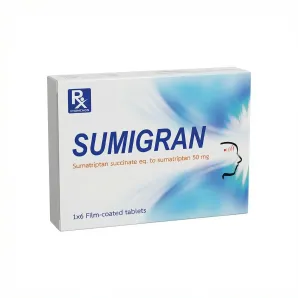 Sumigran
 Preme
Preme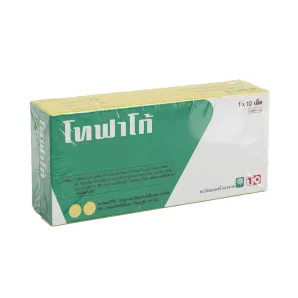 Tofago
 B-Ciprofloxacin
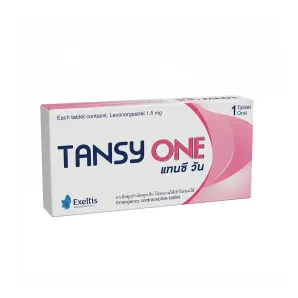 Tansy One 1 Tablet
 Enaril
 Nasonex Nasal Spray