Dull pain that eases with rest is usually self-care; some "red flags" need a doctor.
Self-care is fine
Dull pain after running that eases with rest
Little swelling, can bear weight normally
See a doctor
Marked swelling or heat
Locking knee, can't fully bend/straighten, or feels unstable
Can't bear weight
Pain lasting over 2 weeks despite rest
A locking knee or a feeling of giving way can point to a meniscus or ligament injury that needs a proper exam before you return to running. Front-of-knee pain (runner's knee) or outer-knee pain (IT band syndrome) without those red flags usually improves with self-care and a gradual return to running, following the steps below.
7 Ways to Care for Your Knees After Running
First two weeks: cut swelling and pain, then rebuild while strengthening.
R.I.C.E. (first 48h) — Rest (skip anything that jars the knee directly; easy walking is fine if it doesn't add pain), Ice 15–20 min (repeat several times a day for the first 2-3 days), light Compression that never goes numb, Elevation above heart level while lying down to help swelling drain
Reduce mileage — a full stop isn't always needed; cut distance/speed and listen to your body
Stretch — quads, hamstrings, calves, and IT band after every run
Strengthen — hips, thighs, core (squat, clamshell, step-up) to offload the knee. Strong hip and thigh muscles help control how the kneecap tracks, cutting the friction behind front-of-knee pain
Use supportive shoes — good cushioning, replaced when worn
Rebuild gradually — no more than 10%/week plus rest days
Recover from within — sleep, enough protein, and muscle-supporting minerals like magnesium
Use cold for the first 48–72 hours after a run whenever there's swelling or acute pain, to calm inflammation. Once the swelling settles and the knee feels more stiff than painful, switch to heat before running or stretching — it boosts blood flow and loosens the muscles around the knee so it moves more easily. Skip heat while swelling is still obvious, since it can make the swelling worse.
Cold pack
Heat pack
Use when
First 48h, acute pain/swelling
Chronic tightness, before stretch/run
Effect
Reduces swelling and pain
Relaxes muscle, boosts circulation
Time
15–20 min each
15–20 min each
Avoid
Ice directly on skin
Using on fresh swelling
Preventing Knee Pain From Returning
Strong knees come from strong surrounding muscles + gradual load.
Warm up 5–10 min before every run
Cap mileage at 10%/week with rest days
Strengthen hips/thighs 2–3×/week
Vary surfaces (grass/track) to cut impact
Replace shoes on schedule
Land with a shorter, quicker stride under your body instead of overstriding, which lowers impact forces on the knee
Add low-impact cross-training — cycling or swimming — on weeks when you increase running volume
Want to support muscle recovery from within? Magnesium from Intimo Life is a mineral for normal muscle function — fast delivery to your door.
Frequently Asked Questions
Mild pain that doesn't worsen while running: you can cut mileage and continue. If pain increases or changes your form, rest first.
Typical overuse pain eases in 1–3 weeks with rest and proper care. If it lasts beyond 2 weeks without improving, see a doctor.
Not always — you can usually cut mileage or cross-train (swim/cycle) to rest the knee while staying fit.
Acute pain/swelling (first 48h) = cold. Chronic tightness = heat (see the comparison table above).
Yes — well-cushioned, non-worn shoes reduce impact on the knee. Replace them every ~500–800 km.
Magnesium supports normal muscle function and is popular for post-exercise muscle care.
Location hints at the cause — outer knee often involves the IT band, front knee is often runner's knee — but early care is similar.
If the knee is very swollen, locks, can't bear weight, or pain lasts over 2 weeks, see a doctor.
⚠️ Disclaimer
The information on this page is for general informational purposes only and is not intended to replace professional medical advice, diagnosis, or treatment from a qualified doctor or pharmacist. If you have any questions about your symptoms or medication, always consult a doctor or pharmacist first.



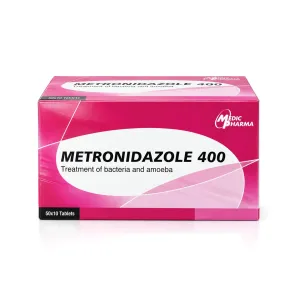 Metronidazole
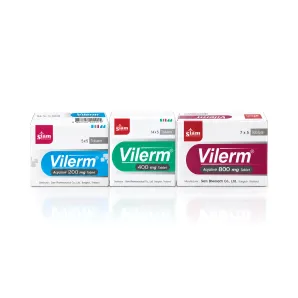 Vilerm
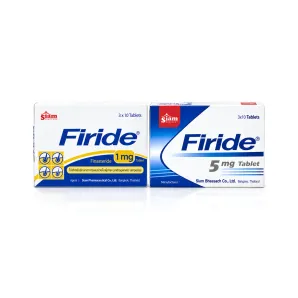 Firide
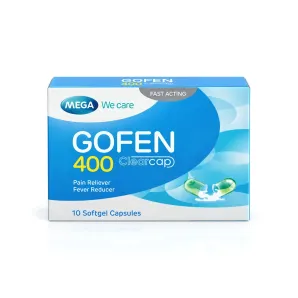 Gofen
 Annylyn
 Sumigran
 Preme
 Tofago
 B-Ciprofloxacin
 Tansy One
 Enaril
 Nasonex