
Ketoconazole
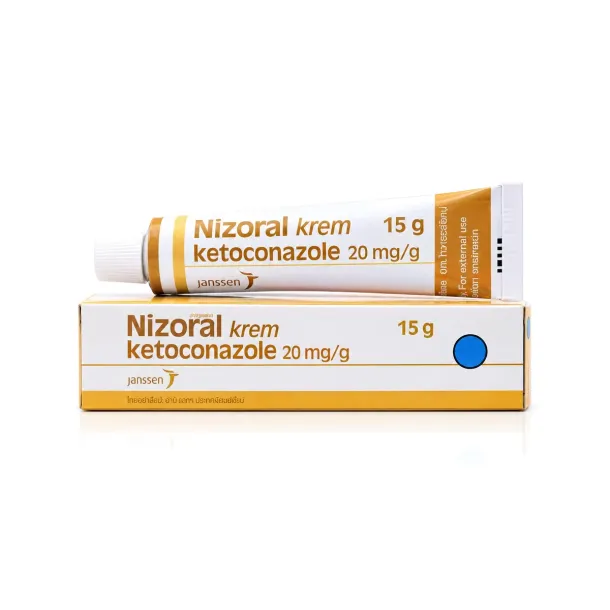
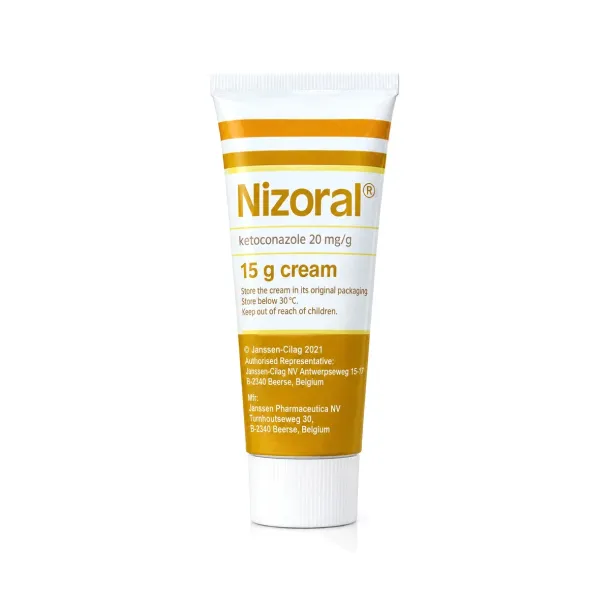
Nizoral Cream — antifungal cream with Ketoconazole 2% (20mg/g) by Janssen. Treats ringworm, tinea versicolor, athlete's foot, and seborrheic dermatitis. Contains no steroids.
💊 Active: Ketoconazole (Ketoconazole) 2% — broad-spectrum azole antifungal
⏱️ Use: Apply a thin layer to affected area 1–2 times/day for 2–4 weeks
🍽️ Conditions: Clean and dry the area before each application. For external use only
📦 Pack: 15g cream tube
⚡ Key benefit: Superior for tinea versicolor and seborrheic dermatitis. Steroid-free
🌡️ Storage: Below 30°C in a cool, dry place. Do not freeze
Done — we will alert you on LINE when this item is back.
Remind me to reorder
Remind me every
First reminder 26 Nov 2026 · on LINE
Shipping
Discreet shipping within Thailand — packaging does not identify the product. Customers can review shipping and return conditions per our store policy. Contact our team for any questions.
What is Nizoral Cream?
Nizoral Cream is an antifungal cream containing Ketoconazole 2%, a broad-spectrum antifungal used to treat ringworm, tinea versicolor, athlete's foot, and seborrheic dermatitis. Its key benefit is being steroid-free, making it suitable for general skin use. Apply a thin layer 1-2 times daily for 2-4 weeks, after cleaning and drying the skin.
🛒 15g tube · Authentic · Fast delivery 24 hrs. Intimo Life — Consult a doctor or pharmacist before use
Product Description
Antifungal cream Nizoral Cream contains Ketoconazole 2% (20mg/g), a broad-spectrum azole antifungal manufactured by Janssen-Cilag. It effectively treats ringworm (tinea corporis), tinea versicolor (pityriasis versicolor), athlete's foot (tinea pedis), cutaneous fungal infections, and seborrheic dermatitis by inhibiting ergosterol synthesis in the fungal cell wall.
📊 Clinical Evidence
- Ketoconazole 2% achieves 89–93% cure rates for tinea versicolor within 2–4 weeks (Drugs.com, 2024)
- Dermatophyte infections (ringworm, jock itch, athlete's foot) respond within 2–4 weeks
- Seborrheic dermatitis of the skin improves within 2–4 weeks with once or twice daily application
- Related product: Canesten Cream (Clotrimazole) — general-purpose antifungal
🏭 Manufactured by Janssen-Cilag | Registration: 1A 48/62 | Size: 15g
⚠️ For external use only. Do not swallow or apply near eyes. If redness, itching, or worsening occurs, stop use and consult a pharmacist.

About Nizoral Cream
What is Nizoral Cream?
Nizoral Cream is an antifungal topical cream containing Ketoconazole 2% (20mg/g), an azole antifungal that works by inhibiting lanosterol 14α-demethylase, preventing ergosterol synthesis in the fungal cell wall and causing fungal cell death.
Nizoral is a broad-spectrum antifungal active against Dermatophytes (ringworm, athlete's foot, jock itch), Malassezia furfur (tinea versicolor), and Candida spp. It also has mild anti-inflammatory properties that help reduce itching and redness.
Nizoral Cream is manufactured by Janssen-Cilag, available as a 15g topical cream. Contains no steroids — safe for general skin use.
What does Nizoral Cream treat?
Nizoral Cream (Ketoconazole 2%) is indicated for fungal skin infections including:
- Ringworm (Tinea corporis) — red, itchy ring-shaped rash on the body
- Tinea versicolor (Pityriasis versicolor) — white or brown patches on chest, back, arms caused by Malassezia
- Athlete's foot (Tinea pedis) — itching, burning, peeling between toes and on soles
- Jock itch (Tinea cruris) — fungal infection of the groin and inner thighs
- Seborrheic dermatitis — red, flaky, itchy skin on the face, scalp margin, and chest
- Cutaneous candidiasis — fungal rash in skin folds: armpits, groin, under breasts
Consult a pharmacist if no improvement within 4 weeks or if symptoms worsen.
How to use Nizoral Cream / Dosage
How to apply Nizoral Cream (Ketoconazole 2%):
- Clean and thoroughly dry the affected area before application
- Apply a thin layer of Nizoral Cream to cover the affected area plus 2–3 cm of surrounding skin
- Gently massage until absorbed
Dosing by indication:
- Ringworm / jock itch / athlete's foot: Apply once or twice daily for 2–4 weeks
- Tinea versicolor: Apply once daily for 2–3 weeks
- Seborrheic dermatitis: Apply once or twice daily for 2–4 weeks
Continue using Nizoral Cream for the full treatment period even if symptoms improve, to prevent recurrence.
Nizoral Cream side effects
Nizoral Cream is generally well-tolerated. Side effects are usually mild and resolve on their own:
Common side effects:
- Mild burning, itching, or irritation at the application site (especially early use)
- Skin dryness, peeling, or mild redness
- Warm or stinging sensation at the site of application
Stop use and consult a pharmacist or doctor if:
- Severe allergic reaction, blistering, or swelling occurs
- Symptoms worsen after more than 2 weeks of use
- Unusual skin cracking or excessive peeling
Topical ketoconazole has minimal systemic absorption, so systemic side effects seen with oral ketoconazole are not a concern with the cream.
Contraindications / Precautions for Nizoral Cream
Contraindications:
- Known hypersensitivity to ketoconazole or any ingredient in Nizoral Cream
- Do not apply to eyes or mucous membranes
- Do not ingest
Precautions:
- Pregnancy and breastfeeding — consult a doctor before use, although systemic absorption is minimal
- Children under 2 years — use only under medical supervision
- Open wounds or severely inflamed skin — use with caution
- For external use only
Consult a pharmacist if antifungal treatment shows no improvement after 4 weeks.
Nizoral Cream vs other antifungal creams in store
Antifungal topical creams available at Intimo Life:
- Canesten Cream (Clotrimazole) — general-purpose antifungal for ringworm, athlete's foot, and skin fungal infections
- Tonaf (Tolnaftate) — for ringworm, jock itch, and athlete's foot; steroid-free, budget-friendly
- Myda-B (Clotrimazole + Betamethasone) — antifungal combined with steroid for faster itch and inflammation relief, with limitations on prolonged use
Summary: Nizoral Cream excels with ketoconazole, which is superior for Malassezia-related conditions (tinea versicolor, seborrheic dermatitis); Canesten suits general fungal infections; Tonaf is the most affordable for ringworm/athlete's foot; Myda-B is for cases needing rapid anti-inflammatory action alongside antifungal treatment.
Can Nizoral Cream be used with other medications?
Nizoral Cream is topically applied with minimal systemic absorption, so drug interactions are very unlikely.
- Other topical products — avoid applying multiple creams to the same area simultaneously to prevent dilution
- Topical corticosteroids — not recommended for concurrent use unless prescribed; steroids may suppress local immunity and risk fungal spread
- Warfarin — oral ketoconazole interacts, but topical use has negligible systemic absorption and minimal interaction risk
If taking multiple medications, inform your pharmacist before starting antifungal therapy.
How quickly does Nizoral Cream work?
Nizoral Cream starts working against fungal cells from the first application, but visible improvement depends on the infection type:
- Itching and redness — typically reduce within 3–7 days
- Ringworm / jock itch / athlete's foot — noticeable improvement in 1–2 weeks; full clearance in 2–4 weeks
- Tinea versicolor — fungus dies in 2–3 weeks but skin color may take 1–2 months to normalize
- Seborrheic dermatitis — improves within 2–4 weeks
Complete the full course of treatment even if symptoms clear early to prevent recurrence and resistance.
Where to buy Nizoral Cream?
Where to buy Nizoral Cream?
Order Nizoral Cream (Ketoconazole 2% antifungal) online at Intimo Life. Discreet shipping across Thailand within 1–3 business days — packaging does not indicate product name.
⚠️ ข้อจำกัดความรับผิดชอบ
เนื้อหาในบทความนี้มีจุดประสงค์เพื่อให้ความรู้ทั่วไปเท่านั้น ไม่ได้มีเจตนาทดแทนคำแนะนำ การวินิจฉัย หรือการรักษาจากแพทย์หรือเภสัชกรผู้เชี่ยวชาญ หากมีข้อสงสัยเกี่ยวกับอาการหรือการใช้ยา ควรปรึกษาแพทย์หรือเภสัชกรก่อนเสมอ

Frequently Asked Questions
Nizoral Cream is an antifungal topical cream containing Ketoconazole 2%, manufactured by Janssen. It treats fungal skin conditions including ringworm, tinea versicolor, athlete's foot, and seborrheic dermatitis by inhibiting fungal growth. It contains no steroids.
Nizoral Cream treats: ringworm, tinea versicolor, athlete's foot, jock itch, seborrheic dermatitis of the skin, fungal infections in skin folds, and some Candida infections.
No. Nizoral Cream contains only Ketoconazole 2% — a pure antifungal with no steroids. This makes it safe for general skin use. It differs from Myda-B, which contains Betamethasone (a steroid) for faster anti-inflammatory action.
It depends on the infection: ringworm/athlete's foot typically clears in 2–4 weeks; tinea versicolor takes 2–3 weeks for fungal clearance (skin color may take 1–2 months to normalize); seborrheic dermatitis improves in 2–4 weeks. Complete the full course even if symptoms improve.
Generally 1–2 times daily depending on the condition: tinea versicolor once daily; ringworm, athlete's foot, and seborrheic dermatitis 1–2 times daily. Apply a thin layer covering the affected area and surrounding skin, then massage gently until absorbed.
Topical ketoconazole has minimal systemic absorption, but complete safety data in pregnancy is limited. Consult a doctor or pharmacist before using Nizoral Cream during pregnancy or while breastfeeding.
Nizoral Cream is applied to the skin for fungal infections such as ringworm, tinea versicolor, and athlete's foot, while Nizoral Shampoo is used on the scalp for dandruff and scalp fungus. Both contain Ketoconazole but differ in form and area of use; choose the one that matches your condition, and consult a pharmacist if symptoms do not improve.
Yes, especially for seborrheic dermatitis affecting the forehead, sides of the nose, cheeks, and chin. Apply a thin layer and avoid the eye area. If unsure whether the condition is fungal, consult a pharmacist first.
Nizoral Cream uses Ketoconazole 2%, which provides superior coverage for Malassezia (tinea versicolor) and seborrheic dermatitis. Canesten uses Clotrimazole 1%, which is better suited for general fungal infections and Candida. Both are steroid-free. For tinea versicolor or seborrheic dermatitis, Nizoral is the better choice.
Related Products
Products with the same active ingredient or treating the similar condition.
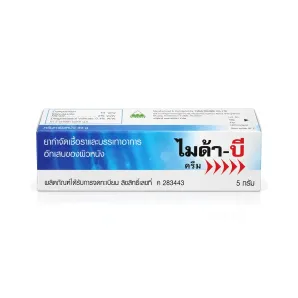 Myda-B Cream
Antifungal + steroid combo for fast itch & inflammation
✓ In stockFrom 40.00 ฿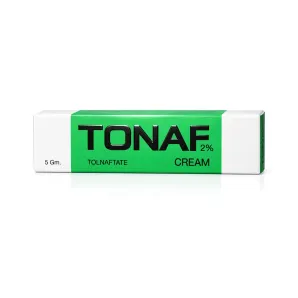 Tonaf Cream
Steroid-free antifungal cream for ringworm
✓ In stock49.00 ฿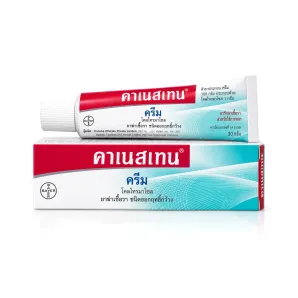 Canesten Cream
Clotrimazole 1% cream for ringworm & athlete's foot
✓ In stock108.00 ฿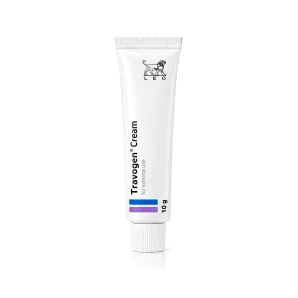 Travogen Cream
Isoconazole broad-spectrum antifungal cream
✓ In stock155.00 ฿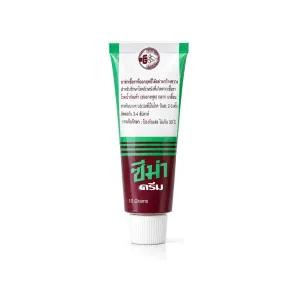 Zema Cream
Econazole broad-spectrum cream for ringworm & Candida
✓ In stock45.00 ฿