Fungal skin infections are extremely common — ringworm, tinea versicolor, jock itch, athlete's foot, and candidal intertrigo can all cause persistent itching, burning, redness, and peeling that disrupts everyday life. Intimo Life carries multiple antifungal treatment options to match your specific condition.
💊 Multiple active ingredients available — Clotrimazole, Ketoconazole, Econazole, Isoconazole, and Tolnaftate — plus combination antifungal + steroid formulas for cases with significant inflammation.
👨⚕️ Consult a pharmacist online instantly — no travel, no queues, completely private and convenient.
🚚 Fast, confidential delivery — plain packaging with no product names on the outside, delivered safely to your door.
Azole-class creams such as Clotrimazole and Ketoconazole cover multiple fungal strains and work well when used for the full course. They suit fungal skin infections like ringworm, tinea versicolor, jock itch, and athlete's foot, common in Thailand's hot, humid climate, causing itching, redness, rash, and peeling skin. Avoid stopping too early, since these infections tend to recur frequently.
🛒 Shop the range above · 24-hour dispatch from Intimo Life — consult a pharmacist if unsure.
Fungal skin infections (Dermatophytosis / Tinea) are infections of the skin, nails, or hair caused by Dermatophyte, Malassezia, and Candida fungi. Common presentations include ringworm (Tinea Corporis), tinea versicolor/pityriasis, jock itch (Tinea Cruris), athlete's foot (Tinea Pedis), and candidal intertrigo. Key symptoms are itching, redness, rash, and skin flaking.
📊 Key clinical statistics:
Fungal skin infections are especially prevalent in tropical climates — affecting up to 20-25% of the population in Southeast Asia due to heat and humidity
Athlete's foot (Tinea Pedis) has a recurrence rate of 40-70% within one year when treatment is stopped prematurely
Azole antifungals (Clotrimazole, Ketoconazole) achieve treatment success rates of 85-90% when used for the full recommended course
💊 At Intimo Life, we carry 5 antifungal active ingredients to cover different fungal species:
Azole group (Clotrimazole, Ketoconazole, Econazole, Isoconazole) — Inhibit ergosterol synthesis in fungal cell membranes; effective against both Dermatophytes and Candida
Tolnaftate — Targets Dermatophytes specifically; suitable for ringworm, jock itch, athlete's foot, and tinea versicolor
Combination Clotrimazole + Betamethasone — Adds a corticosteroid for cases with significant inflammation; short-term use only
⚠️ Continue antifungal treatment for the full prescribed course even after symptoms improve — stopping too early leads to relapse. Combination steroid-antifungal formulas should not be used for more than 2 weeks without pharmacist guidance.
Medically reviewed by
Supatcheree A., Pharmacist | Supatcheree A., Pharmacist
What Causes Fungal Skin Infections? Are They Treatable?
Fungal skin infections are caused by three main groups: Dermatophytes (ringworm, jock itch, athlete's foot), Malassezia (tinea versicolor), and Candida (candidal intertrigo in warm, moist areas). These fungi thrive in warm, humid, and airless environments. Key risk factors include excessive sweating, tight or non-breathable clothing, weakened immunity, and sharing personal items.
Fungal skin infections are treatable with topical antifungal creams in most cases, typically over 2-4 weeks. It's essential to complete the full course even after symptoms clear — stopping early is the main cause of relapse. Consult a pharmacist to select the right active ingredient for your specific infection type.
How Do Different Antifungal Ingredients Compare? Which One Should I Choose?
Intimo Life carries multiple antifungal active ingredients — each suited to different fungal types and infection sites.
Clotrimazole (Canesten) — Broad-spectrum Azole; effective against Dermatophytes and Candida. Use for ringworm, tinea versicolor, jock itch, athlete's foot, and candidal intertrigo.
Ketoconazole (Nizoral) — Potent Azole; especially effective against Malassezia (tinea versicolor).
Econazole (Zema Cream/Lotion) — Broad-spectrum Azole; covers Dermatophytes, Candida, and some bacteria. Gentle on sensitive skin.
Isoconazole (Travogen) — Once-daily Azole; excellent for jock itch and candidal intertrigo.
Tolnaftate (Tonaf) — Targets Dermatophytes only; for ringworm, jock itch, athlete's foot, tinea versicolor. Does not cover Candida.
Consult a pharmacist to find the best match for your specific condition.
Is Antifungal Treatment Different for Ringworm, Tinea Versicolor, Jock Itch, and Athlete's Foot?
Different fungal infections are caused by different fungal species — but broad-spectrum Azoles (Clotrimazole, Ketoconazole, Econazole, Isoconazole) cover most types effectively.
Ringworm (Tinea Corporis) — Dermatophyte infection on the body; round, itchy patches with clear borders. Use Clotrimazole or Econazole for 2-4 weeks.
Tinea Versicolor — Malassezia infection causing patchy skin discolouration. Ketoconazole is most effective; Clotrimazole also works.
Jock Itch (Tinea Cruris) — Dermatophyte infection in the groin area; intensely itchy. Use Clotrimazole, Econazole, or Isoconazole.
Athlete's Foot (Tinea Pedis) — Dermatophyte infection on feet and between toes. Use Clotrimazole or Tolnaftate.
Candidal Intertrigo — Candida infection in moist skin folds. Use Clotrimazole or Isoconazole.
How Do You Apply Antifungal Cream? How Many Times Per Day?
Clotrimazole (Canesten) — Apply 2-3 times/day for 2-4 weeks (ringworm/jock itch) or 4 weeks (athlete's foot)
Ketoconazole (Nizoral) — Apply 1-2 times/day for 2-4 weeks
Econazole (Zema) — Apply 2 times/day for 2-4 weeks
Isoconazole (Travogen) — Apply once daily for 3-4 weeks
Tolnaftate (Tonaf) — Apply 2 times/day for 2-6 weeks
Myda-B (Clotrimazole + Betamethasone) — Apply 2 times/day for no more than 2 weeks; do not apply to the face
Apply a thin layer covering the affected area plus a small margin beyond the visible lesion. Wash hands before and after application. If there is no improvement within 2 weeks, consult a pharmacist.
What Should You Avoid When Treating Fungal Skin Infections?
In addition to antifungal medication, lifestyle adjustments significantly affect how quickly you recover and prevent recurrence.
Avoid tight or synthetic clothing that traps moisture — choose breathable cotton or moisture-wicking fabrics.
Dry thoroughly after bathing — especially the groin, between toes, and underarms where moisture collects.
Don't share personal items such as towels, clothing, or shoes with others.
Reduce sugar, refined carbohydrates, and alcohol — these promote fungal growth, particularly Candida.
Avoid scratching the affected area — this spreads the infection to other body parts.
Wash clothing at high temperatures (60°C or above) and dry thoroughly in sunlight.
Are Fungal Skin Infections Contagious? How Do You Prevent Them?
Most fungal skin infections are contagious — particularly Dermatophyte infections (ringworm, jock itch, athlete's foot) — though transmission usually requires prolonged contact, not brief touching.
Main transmission routes — Direct skin-to-skin contact with an infected person, sharing personal items (towels, clothing, shoes), or contact with contaminated surfaces at pools or locker rooms.
Tinea versicolor (Malassezia) — Less contagious; this fungus naturally exists on skin and only overgrows when conditions are favourable (heat, humidity, oily skin).
Prevention — Wear sandals in public facilities, wash clothing separately, dry skin thoroughly, and avoid sharing personal items.
Household members sharing the same environment as an infected person should monitor themselves for symptoms. Consult a pharmacist if you suspect early signs of infection.
How Long Does Fungal Skin Infection Take to Clear? How Long Should I Use Antifungal Cream?
Treatment duration depends on the type and location of the fungal infection.
Ringworm (Tinea Corporis) — Symptoms improve in 1-2 weeks; continue treatment for the full 2-4 weeks
Tinea Versicolor — Skin clears in 2-4 weeks, though skin colour may take several months to fully normalise
Jock Itch (Tinea Cruris) — Improves in 2 weeks; continue for 4 weeks total
Candidal Intertrigo — Improves in 1-2 weeks; treat for 2-4 weeks total
Do not stop treatment as soon as symptoms improve — residual fungal cells can cause relapse within 1-3 months. Consult a pharmacist if symptoms do not improve within 2 weeks.
Where to Buy Antifungal Cream? What Does Intimo Life Carry?
Intimo Life carries all major antifungal active ingredients — order online with fast, discreet shipping in sealed packaging.
The information on this page is for general informational purposes only and is not intended to replace professional medical advice, diagnosis, or treatment from a qualified doctor or pharmacist. If you have any questions about your symptoms or medication, always consult a doctor or pharmacist first.
Brief mild stinging or redness can happen at first and usually settles on its own. But if it stings badly, swells, blisters, or the rash spreads, stop use and consult a pharmacist or doctor — you may be sensitive to the medicine.
Topical antifungals are absorbed only in small amounts, but safety differs by ingredient. If you are pregnant or breastfeeding, always check with a pharmacist or doctor before use, and avoid steroid-combination formulas unless a doctor prescribes them.
Children with ringworm or skin fungal infections can use antifungal creams, but pick an age-appropriate ingredient, apply thinly, and avoid steroid-combination formulas in young children unless prescribed. If unsure, ask a pharmacist first.
Don’t stop the moment it looks better. Keep applying for the full course (usually 2-4 weeks, or 1-2 weeks after symptoms clear) to fully clear the fungus and lower the chance of it coming back.
Facial and intimate skin is thin and easily irritated. Choose a gentle ingredient, apply thinly, and avoid strong steroid-combination formulas in these areas. For face or intimate areas, it is best to consult a pharmacist or doctor first.
Recurrence usually comes from moisture, sweat, sharing personal items, or not finishing the full course. Complete the course, keep skin clean and dry, change damp clothing, and if it keeps recurring, see a doctor to find the underlying cause.
Yes — most candidal intertrigo infections respond well to topical Azole antifungals, particularly Clotrimazole (Canesten) and Isoconazole (Travogen). Treatment combined with good skin hygiene — keeping the area dry, wearing cotton underwear, and changing clothing frequently — improves recovery speed and reduces the risk of recurrence.
Myda-B is a combination antifungal + corticosteroid that quickly relieves severe inflammation — but has important safety precautions. Do not use for more than 2 weeks; do not apply to the face; avoid in young children; and use with caution on thin skin areas. Steroid-containing products can cause skin thinning and, if used incorrectly, may suppress local immunity and allow fungal spread. Always consult a pharmacist before use.
Dispatched within 24 hrs
Order today for fast delivery. No long waits—ready to ship locally.
100% Authentic
Handpicked authentic products with certified standards.
Discreet Shipping
Plain packaging, no product names. Your privacy is our priority.



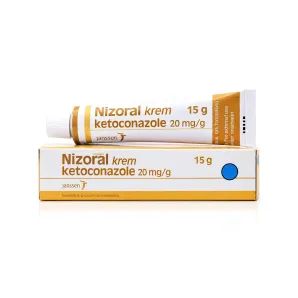 Nizoral Cream
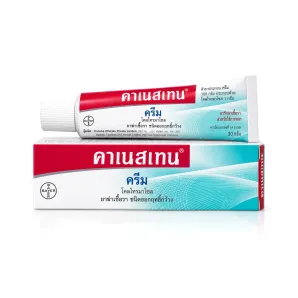 Canesten Cream
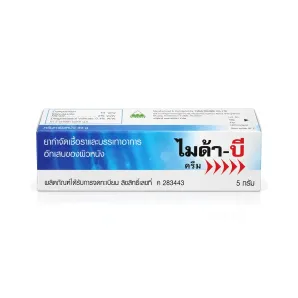 Myda-B Cream
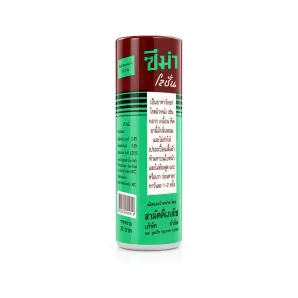 Zema Lotion
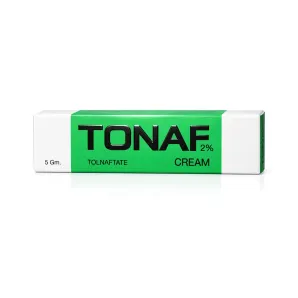 Tonaf Cream
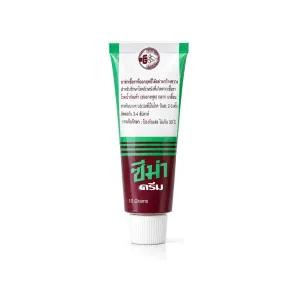 Zema Cream
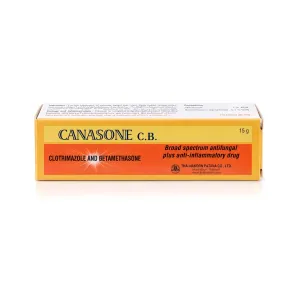 Canasone-CB
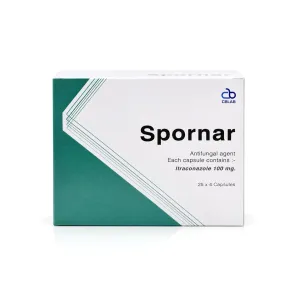 Spornar
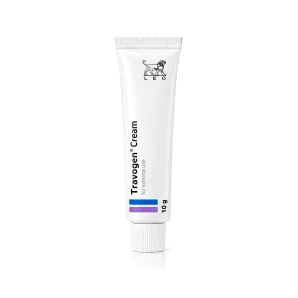 Travogen Cream
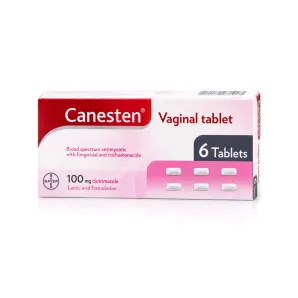 Canesten Vaginal Tablet