
Rabeprazole Sodium
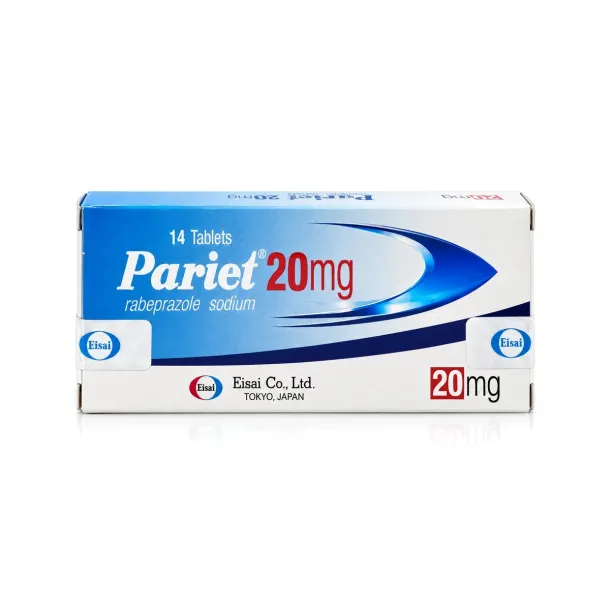
Pariet — a PPI, Rabeprazole sodium from Eisai, Japan. Reduces stomach acid, treats GERD and peptic ulcers
💊 Active ingredient: Rabeprazole sodium
⏱️ How to use: 1 tablet once daily
🍽️ Timing: Before breakfast, 30-60 minutes prior
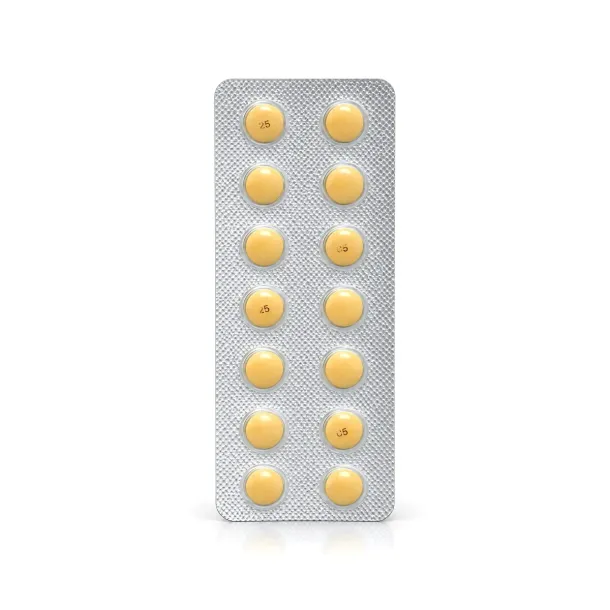
📦 Pack: Box of 14 enteric-coated tablets
⚡ Key benefit: Fast onset, low CYP2C19 dependence, consistent effect
🌡️ Storage: Below 30°C, away from sunlight
Done — we will alert you on LINE when this item is back.
Remind me to reorder
Remind me every
First reminder 22 Nov 2026 · on LINE
Shipping
Discreet shipping within Thailand — packaging does not identify the product. Customers can review shipping and return conditions per our store policy. Contact our team for any questions.
What is Pariet?
Pariet is a PPI containing Rabeprazole sodium from Eisai, Japan. It works by blocking acid secretion at the stomach's proton pump. It treats GERD and stomach ulcers. A key benefit is that it relies less on the CYP2C19 enzyme than other PPIs, giving more consistent acid-reducing effects. Take one tablet each morning, 30-60 minutes before breakfast.
🛒 14 tablets · authentic · 24-hour dispatch from Intimo Life — consult a doctor or pharmacist before use.
Product Description
Pariet is a PPI (Proton Pump Inhibitor) containing Rabeprazole sodium 20mg from Eisai, Japan. It directly blocks acid secretion at the proton pump of stomach lining cells. Used to treat GERD, gastric and duodenal ulcers, and to prevent ulcers from long-term NSAID use. A key feature is that it relies less on the CYP2C19 enzyme than other drugs in its class, giving more consistent acid-reducing results across patients with different genetic profiles.
📊 Key facts
- Fast onset — median time to a full 24-hour heartburn-free interval with Rabeprazole was 3.5 days, versus 19.5 days with placebo
- Clear results from week 1 — complete heartburn relief at week 4 was seen in 32% of Rabeprazole users, versus 3.8% with placebo
- Targeted mechanism — irreversibly binds the proton pump enzyme in stomach cells, blocking the final step of acid secretion
🏭 Eisai, Japan — the originator manufacturer of Rabeprazole, legally imported and distributed in Thailand
⚠️ If used beyond 8 weeks, or if you experience difficulty swallowing, unexplained weight loss, or black stools, see a doctor immediately

About Pariet
What is Pariet?
Pariet is the brand name for Rabeprazole sodium, a Proton Pump Inhibitor (PPI) manufactured by Eisai, Japan. It works by irreversibly binding to the proton pump (H+/K+-ATPase) enzyme in the stomach's parietal cells, directly blocking the final step of acid secretion. Unlike H2 blockers, which only block one of several triggers for acid release, PPIs like Pariet suppress acid more strongly and for longer. The tablet has a special coating that resists stomach acid and releases the drug once it reaches the small intestine, giving the inflamed stomach or esophagus lining time to heal as acid levels drop.
What does Pariet treat?
Used to treat gastroesophageal reflux disease (GERD), both erosive and non-erosive types. Main symptoms include heartburn, acid regurgitation, and a burning sensation below the breastbone after meals; some patients also get a chronic cough or hoarseness from acid irritating the throat. Also treats gastric and duodenal ulcers, which often cause pain when hungry or at night, prevents ulcers from long-term NSAID painkiller use in patients who need regular pain medication, and is combined with antibiotics in H. pylori eradication regimens — a leading cause of chronic stomach ulcers and, if left untreated, a risk factor for stomach cancer.
How to take Pariet and treatment duration
The standard dose is 20mg once daily, swallowed whole with water. Do not chew or crush the tablet, as its special acid-resistant coating protects the drug until it reaches the small intestine. Take it in the morning, 30-60 minutes before breakfast, so it takes effect before the meal triggers acid production. Treatment typically lasts 4-8 weeks depending on severity; for severe ulcers or H. pylori regimens, a doctor may extend treatment for another 8 weeks if symptoms haven't fully resolved. Don't stop the medication early even if you feel better, since the underlying ulcer may not have fully healed yet even though the pain has eased.
What are the side effects of Pariet?
Common early side effects include headache, bloating, nausea, diarrhea or constipation, mild stomach pain, and dry mouth or a mild rash. Most are mild and improve on their own within the first week as your body adjusts. Hives, facial swelling, or difficulty breathing after taking the medication signal a serious allergic reaction — stop the drug and see a doctor immediately. With continuous use beyond 3 months to a year or more, risks include low blood magnesium, a higher chance of hip, wrist, or spine fractures (especially in older adults), vitamin B12 deficiency after 3+ years, and fundic gland polyps in the stomach after 1+ years of use — so only use it for as long as your doctor recommends.
Contraindications, precautions, and warning signs
Do not use if you are allergic to Rabeprazole or any other PPI. Extra caution is needed for patients with severe liver disease, kidney disease, older adults already at risk of osteoporosis, and anyone using the medication continuously for over a year. Pregnant or breastfeeding women should consult a doctor first, since safety data for this group remains limited. Always tell your doctor about any existing conditions and medications before starting Pariet. Importantly, Pariet relieves symptoms but doesn't always treat the underlying cause. If you experience difficulty swallowing, vomiting blood or coffee-ground-like material, unexplained weight loss, or black, tarry stools, stop the medication and see a doctor immediately — these can signal a serious condition, such as gastrointestinal bleeding or stomach cancer, that needs diagnosis before continuing acid-reducing treatment.
Pariet compared to other acid-reducing drugs
Pariet (Rabeprazole) and Nexium (Esomeprazole) are both PPIs, but Rabeprazole relies less on the CYP2C19 enzyme than Esomeprazole, giving it more consistent acid-reducing results across people with different metabolic genetics. Omeprazole GPO (Omeprazole) is an affordable Thai generic PPI — the original drug in this class — but relies more heavily on CYP2C19 than Rabeprazole. Gaviscon Advance (Sodium Alginate) isn't a PPI at all; it's an alginate-based antacid that works within minutes by forming a floating gel layer over stomach acid, best for acute symptoms or right after a meal, unlike PPIs which need to be taken before meals to suppress acid production in advance. Quick summary: choose Pariet for consistent long-term acid control, Omeprazole GPO for an affordable PPI, and Gaviscon Advance for fast relief of a sudden flare-up.
Can Pariet be taken with other medications?
Rabeprazole lowers stomach acidity, which can interfere with the absorption of drugs that need an acidic environment to dissolve, such as ketoconazole and itraconazole, and may raise blood levels of drugs like digoxin or high-dose methotrexate. Because Rabeprazole relies less on the CYP2C19 enzyme than other drugs in its class, it has somewhat fewer CYP2C19-related interactions than some other PPIs, though caution is still needed. Always tell your pharmacist about any regular medications before starting Pariet, especially blood thinners, antifungal medications, and any vitamins or minerals that depend on stomach acid for absorption.
How fast does Pariet work?
Studies show GERD patients taking Rabeprazole began experiencing improved heartburn symptoms as early as day one of treatment, with a median time to a full 24-hour heartburn-free interval of just 3.5 days — far faster than the 19.5 days seen with placebo. Part of this is due to Rabeprazole binding the proton pump quickly without needing as much liver metabolism as other drugs in its class. This makes Pariet a good fit for anyone who needs symptom control quickly, without waiting several weeks for results.
Where to buy Pariet?
Where to buy Pariet?
Order online at Intimo Life for nationwide shipping across Thailand in 1-3 business days. Packaging is discreet and does not identify the product on the parcel.
⚠️ ข้อจำกัดความรับผิดชอบ
เนื้อหาในบทความนี้มีจุดประสงค์เพื่อให้ความรู้ทั่วไปเท่านั้น ไม่ได้มีเจตนาทดแทนคำแนะนำ การวินิจฉัย หรือการรักษาจากแพทย์หรือเภสัชกรผู้เชี่ยวชาญ หากมีข้อสงสัยเกี่ยวกับอาการหรือการใช้ยา ควรปรึกษาแพทย์หรือเภสัชกรก่อนเสมอ
References
- Kahrilas PJ, Miner P, Johanson J, et al. Efficacy of rabeprazole in the treatment of symptomatic gastroesophageal reflux disease. Digestive Diseases and Sciences. 2005.
- Pace F, Pallotta S, Casalini S, Bianchi Porro G. A review of rabeprazole in the treatment of acid-related diseases. Therapeutics and Clinical Risk Management. 2007.
- NHS UK. Rabeprazole. NHS. 2024.
- Healthline. Rabeprazole Oral Tablet. Healthline. 2024.
- NCBI Bookshelf. Rabeprazole. LiverTox, NIH. 2023.

Frequently Asked Questions
Rabeprazole and Omeprazole are both PPI acid-reducing drugs, but they are different molecules. Rabeprazole is the active ingredient in Pariet, while Omeprazole is found in other brands. The main difference is that Rabeprazole relies less on the CYP2C19 enzyme to be metabolized than Omeprazole, giving it more consistent acid-reducing effects across people with different metabolic genetics.
If you remember soon after, take it right away. But if it's almost time for your next dose, skip the missed one entirely. Never take two tablets together to make up for a missed dose.
Yes, if you forget in the morning, but it works best taken in the morning before breakfast, since it suppresses acid ahead of the lunch and dinner meals that trigger the most acid. Try to take it at the same time every day for consistent results.
There isn't enough data on how much Rabeprazole passes into breast milk, unlike some other PPIs with clearer data. Consult a doctor or pharmacist before using it while breastfeeding so they can weigh the benefits against the risks for your situation.
Pariet isn't recommended for children in general without a doctor's order, since there isn't enough safety and dosing data for this age group. If a child has reflux symptoms, see a specialist doctor.
Yes, but coffee and tea can stimulate acid production and make heartburn more likely to return. If symptoms are still frequent, consider cutting back on caffeine as well.
Pariet doesn't directly cause weight gain or loss. If reflux symptoms improve, some people may simply eat more normally again. Weight loss combined with difficulty swallowing is a warning sign that needs medical attention.
Stopping a PPI abruptly after long-term use can temporarily cause acid to rebound higher than before. Talk to a pharmacist or doctor about tapering the dose gradually instead of stopping all at once.
Store at room temperature below 30°C, away from direct sunlight and moisture. Avoid leaving it in a car or a hot, humid bathroom, as this can degrade the medication faster.
Pariet is the original brand from Eisai, Japan, made through the originator company's own research and quality control process, unlike generic acid reducers manufactured after the patent expires. This makes its production cost higher than typical generics in the same class.
Related Products
Products with the same active ingredient or treating the similar condition.
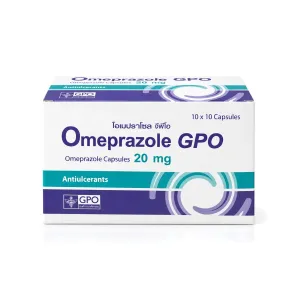 Omeprazole GPO
Thai standard omeprazole for 24-hour acid suppression
✓ In stockFrom 40.00 ฿(฿2.5/capsule)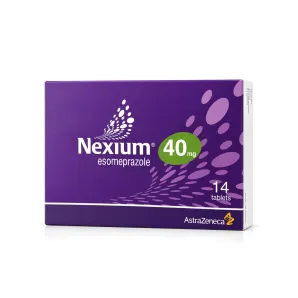 Nexium
Original PPI with 24-hour acid control you can trust
✓ In stock890.00 ฿(฿65.36/tablet)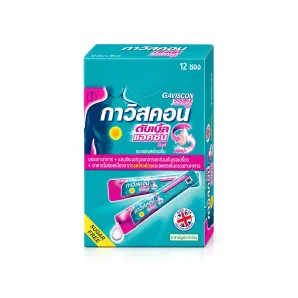 Gaviscon Dual Action Sachets
Dual-action relief in a tear-open sachet, no measuring
✓ In stockFrom 380.00 ฿(฿30/sachet)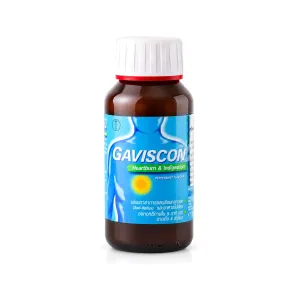 Gaviscon Peppermint
Original formula, bottle format for home use
✓ In stock330.00 ฿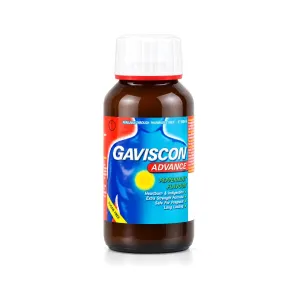 Gaviscon Advance
2x alginate concentration for longer nighttime relief
✓ In stock425.00 ฿