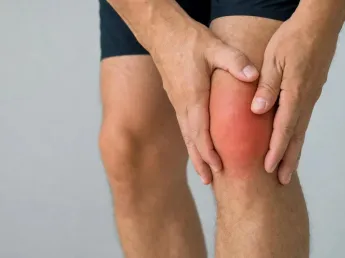
What is gout? Gout is a type of arthritis caused by prolonged high levels of uric acid in the blood. Over time, uric acid crystallizes into monosodium urate crystals that accumulate in the joints. When the body reacts to these crystals, it triggers sudden, severe inflammation — intense pain, swelling, redness, and warmth.
Where does uric acid come from?
Uric acid is a waste product from the breakdown of purines, found in certain foods and produced naturally by the body's own cells. Normally, the kidneys filter out excess uric acid through urine. But when the body produces too much, or the kidneys excrete too little, uric acid builds up in the blood.
Who is at risk for gout?
Working-age men 30-50 years old (3-4 times more common than women)
People who are overweight or obese
Regular alcohol drinkers, especially beer
Frequent consumption of high-purine foods
Underlying conditions like high blood pressure or chronic kidney disease
Family history of gout
Causes of Gout — Why Uric Acid Builds Up in Joints
High blood uric acid (hyperuricemia) results from two main mechanisms:
1. The body produces too much uric acid
Usually from regularly eating high-purine foods, or conditions where cells break down abnormally fast (such as during certain cancer treatments).
2. The kidneys excrete too little uric acid
This is the most common cause — from reduced kidney function with age, chronic kidney disease, dehydration, or certain medications (such as thiazide diuretics).
Why does it crystallize at the big toe joint especially?
Joints in the extremities run cooler than the rest of the body, making uric acid crystallize more easily there. This is why the big toe joint is affected most often, followed by the ankle, knee, and finger joints.
Gout Symptoms — What Does an Acute Flare Feel Like?
A gout flare typically strikes suddenly, often at night or early morning, with these hallmark features:
Severe pain — so intense that even a blanket touching the joint is unbearable
Swelling, redness, and warmth that develop visibly within hours
Shiny, tight skin around the affected joint
Usually starts at the big toe joint, then may spread to the ankle or knee
Peaks in intensity within 12-24 hours, then gradually improves over 3-10 days even without treatment
Chronic tophaceous gout
If high uric acid is left untreated long-term, urate crystals can accumulate into lumps under the skin called tophi — found at joints, ears, or the Achilles tendon — causing permanent joint deformity and damage.
High Uric Acid Without Symptoms — Does It Need Treatment?
Many people discover high uric acid (hyperuricemia) during a routine health check-up, despite never having experienced a joint flare. Does it require immediate treatment?
What's a normal uric acid level?
Normal blood uric acid is generally around 3.5-7.2 mg/dL for men and 2.5-6.0 mg/dL for women. Levels above 6.8 mg/dL are considered at risk for crystallization.
No symptoms doesn't always mean medication is needed
If uric acid is high but there is no history of joint flares, no tophi, and normal kidney function, most doctors recommend lifestyle adjustments first — reducing high-purine foods, cutting alcohol, losing weight, staying well hydrated — with periodic monitoring of uric acid levels.
When medication may start even without symptoms
Doctors may consider starting urate-lowering therapy in specific cases, such as very high uric acid combined with kidney stones or high kidney disease risk — this should be evaluated individually with a doctor or pharmacist.
Foods to Avoid With Gout — High-Purine Foods
Foods high in purines are broken down directly into uric acid, making them a key trigger for gout flares.
Foods to avoid (very high purine)
Organ meats — liver, kidney, heart, brain
Certain seafood — sardines, anchovies, mussels, fish roe
Concentrated processed meats — cured meats and rich bone/meat broths
Alcohol — especially beer (contains purines and suppresses the kidneys' uric acid excretion)
High-fructose beverages — sodas, concentrated fruit juices
Foods to limit (moderate purine)
Red meat (pork, beef)
Salmon, tuna
Certain legumes (lentils, peas)
Mushrooms, asparagus, spinach (moderate purine but less risk than meat sources)
Foods generally fine (low purine)
Most vegetables and fruits (except those noted above)
Whole grains
Low-fat dairy products — studies show they may lower gout risk
Eggs
Coffee (does not increase risk; some studies suggest a slight protective effect)
Food Table: Safe, Limit, Avoid
Food category
Examples
Purine level
Guidance
Organ meats
Liver, kidney, brain
Very high
Avoid
Certain seafood
Sardines, anchovies, mussels
Very high
Avoid
Alcohol
Beer, spirits
High
Avoid
Red meat
Pork, beef
Moderate
Limit
Common sea fish
Salmon, tuna
Moderate
Limit
Certain legumes/veg
Lentils, mushrooms, asparagus
Moderate
Fine in moderation
Low-fat dairy
Low-fat milk, yogurt
Low
Fine as usual
Most produce
Most vegetables/fruits
Low
Fine as usual
Two Phases of Gout Treatment — Acute vs Long-Term
Gout treatment is divided into two phases with distinctly different goals. Understanding this distinction matters because the medications used in each phase are not interchangeable and should not be mixed up.
Phase 1 — Managing the acute flare
Goal: reduce pain and inflammation as quickly as possible — not to lower blood uric acid levels. Medications used here include Colchicine, NSAIDs such as ibuprofen, or corticosteroids (at the physician's discretion).
Phase 2 — Long-term urate-lowering therapy
Goal: keep blood uric acid consistently within a safe range to prevent recurrent flares. The primary medication for this phase is Allopurinol, taken continuously every day long-term.
⚠️ Do you have to wait for a flare to settle before starting urate-lowering therapy?
Not always. The 2020 ACR guideline says that once a doctor has decided urate-lowering therapy is needed, it can be started during the flare. The UK's NICE guideline (2022) suggests waiting 2-4 weeks after the flare settles, unless flares are frequent. Falling uric acid can trigger flares early on, so treatment starts at a low dose with a flare-preventing medicine (such as colchicine) alongside it. Don't start it on your own; let a doctor or pharmacist plan it.
Colchicine — Treating Acute Gout Flares
Colchicine is an anti-inflammatory medication that specifically targets urate-crystal-induced inflammation. It effectively relieves the pain and swelling of a gout flare, especially when started early, within the first 12-24 hours of symptom onset.
How it's used
Can be taken with or without food, per pharmacist guidance
Helps relieve symptoms within 12-24 hours
Used specifically during flare episodes — not intended for continuous long-term use without professional guidance
Precautions
Colchicine can cause gastrointestinal effects such as nausea or diarrhea if the dose is exceeded. Those with kidney or liver conditions should consult a pharmacist first to determine an appropriate dose.
Long-Term Urate-Lowering Therapy (Allopurinol) — When to Start
Allopurinol is the most widely used long-term urate-lowering medication. It works by inhibiting the enzyme that produces uric acid in the body, steadily lowering blood uric acid levels and helping prevent recurrent gout flares long-term.
How it's used
Taken once daily, continuously, as directed by a pharmacist or doctor
Take with or immediately after food, with plenty of water to support uric acid excretion
This is a long-term, ongoing treatment — not a medication taken only when pain occurs
⚠️ Can Allopurinol be started during an acute flare?
The 2020 ACR guideline says that once a doctor has decided urate-lowering therapy is needed, Allopurinol can be started during the flare rather than after it resolves. The UK's NICE guideline (2022) suggests waiting 2-4 weeks after the flare settles, unless flares are frequent. ACR also recommends starting low (100 mg a day or less, lower with kidney disease) and increasing gradually, with a flare-preventing medicine such as colchicine for at least the first 3-6 months, because falling uric acid can mobilize urate crystals and trigger flares early on. Treat the current pain with colchicine or NSAIDs as usual, and let a doctor decide when to start.
What if a flare happens while already taking it?
For those already on continuous Allopurinol, if a flare occurs, there is no need to stop the medication — Allopurinol can be continued as usual alongside acute flare treatment (Colchicine/NSAIDs). Consult a pharmacist or doctor to confirm the best approach for your situation.
Most gout flares can be managed with initial care, but certain signs warrant prompt medical attention:
❗ Severe joint pain with high fever — may indicate joint infection requiring evaluation
❗ Frequent flares within a single year — long-term management planning is needed
❗ Lumps under the skin (tophi) at joints or ears
❗ Chronic kidney disease or history of kidney stones combined with high uric acid
❗ No improvement after 5-7 days of initial care
❗ Pregnant, breastfeeding, or with complex underlying conditions, before starting any medication
If one or more apply, consult a doctor or pharmacist to plan care suited to your individual situation.
Frequently Asked Questions
Gout is caused by chronically high blood uric acid that crystallizes in the joints, triggering acute inflammation. The main causes are the body producing too much uric acid or the kidneys excreting too little — often linked to high-purine diets, alcohol, and excess weight.
Avoid high-purine foods such as organ meats (liver, kidney), certain seafood (sardines, anchovies, mussels), and alcohol, especially beer. Red meat and common sea fish can be eaten but should be limited.
If there's no history of joint flares, no tophi, and normal kidney function, medication usually isn't needed immediately. Lifestyle changes are recommended first — reducing high-purine foods, cutting alcohol, managing weight — with periodic monitoring by a doctor.
Colchicine relieves pain and swelling during an acute gout flare and acts quickly. Allopurinol lowers blood uric acid long-term to prevent recurrent flares and must be taken continuously every day. Each has a distinct role and is used at a different stage.
Yes, if a doctor has decided it is needed. The 2020 ACR guideline says it can be started during the flare, while the UK's NICE guideline (2022) suggests waiting 2-4 weeks after the flare settles unless flares are frequent. Whenever it starts, it should begin at a low dose with a flare-preventing medicine alongside it at first, and it should not be started on your own.
No need to stop — Allopurinol can be continued as usual alongside acute flare treatment such as Colchicine or NSAIDs. Consult a pharmacist or doctor to confirm the right approach.
A gout flare often improves on its own within 3-10 days even without treatment, but skipping treatment can mean longer, more severe pain. Chronic untreated high uric acid also risks permanent joint damage over time. Consult a pharmacist or doctor for symptom relief and prevention planning.
Yes, it helps — adequate hydration supports the kidneys in excreting uric acid through urine, reducing the chance of crystallization. Aim for 2-3 liters of water per day, combined with reducing high-purine foods and managing weight.
⚠️ Disclaimer
The information on this page is for general informational purposes only and is not intended to replace professional medical advice, diagnosis, or treatment from a qualified doctor or pharmacist. If you have any questions about your symptoms or medication, always consult a doctor or pharmacist first.


 Metronidazole
 Vilerm
 Firide
 Gofen
Gofen Annylyn
 Sumigran
 Preme
Preme Tofago
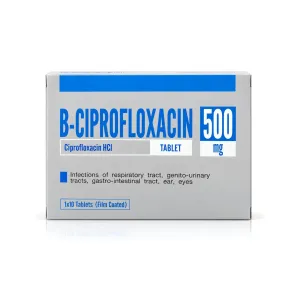 B-Ciprofloxacin
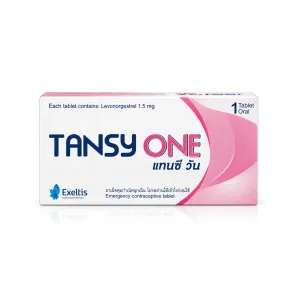 Tansy One
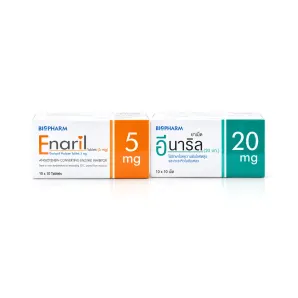 Enaril
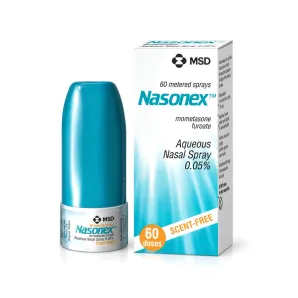 Nasonex