What Types of Cold Sore Cream Are Available in Thailand?
Cold sore creams — including acyclovir cream for herpes — commonly available in Thailand fall into three main groups based on their mechanism of action:
Acyclovir cream 5%
A direct antiviral that targets the herpes simplex virus (HSV) itself. It has the strongest clinical evidence for treating oral cold sores and is typically the first choice pharmacists recommend.
Docosanol cream
Does not act directly against the virus but instead blocks it from entering new skin cells, limiting the spread of the lesion. It is available over the counter in some countries as an alternative option.
Supportive / soothing creams
Such as gels that ease stinging and itching. These are often used alongside acyclovir to improve comfort while the lesion heals — they do not act as antivirals themselves.
Among acyclovir cream 5% products sold in Thailand, Vilerm is one option that uses acyclovir 5% as its active ingredient. See the comparison table below.
Cream Type
Active ingredient
Form
Highlights
Best for
Acyclovir cream 5%
Acyclovir
Topical cream
Directly antiviral against HSV; the standard pharmacists/doctors recommend
Early symptoms (tingling), wanting the most evidence-backed option
Docosanol cream
Docosanol
Topical cream
Not directly antiviral, but limits spread to infected cells
Wanting an option usable from the earliest stage without a prescriber
Supportive / soothing
Menthol / aloe vera
Gel/cream
Eases stinging and itching, not directly antiviral
Acyclovir is a nucleoside analogue antiviral that works by inserting itself into the virus's DNA-building process, stopping the herpes simplex virus (HSV) from replicating or spreading further.
Why speed matters
The cream works best while the virus is replicating most actively — during the early prodrome stage, before a blister has fully formed. Apply at the first sign of tingling, redness, itching, or a small bump for the best result.
Why pharmacists recommend it first
Acyclovir has the largest body of research behind it among cold sore creams, covering both safety and its effect on shortening healing time.
How to Apply Cold Sore Cream Correctly
Wash your hands before touching the affected area.
Apply a thin layer covering the sore and slightly beyond its edge — no need to rub hard.
Apply as early as possible, at the first tingling or itching sensation before a blister forms — within the first 48 hours gives the best results.
Follow the label frequency, typically 5 times a day for 4 days.
Wash your hands again after applying to avoid spreading the virus to other areas or people.
Caution: Do not let anyone else use your medication, and avoid applying near the eyes or mucous membranes.
When Is the Best Time to Apply — Cold Sore Stages Explained
Cold sores follow a fairly predictable progression. Knowing which stage you're in helps you time the cream correctly:
Tingling stage (prodrome, day 1) — itching, burning, or numbness before any bump appears → the best window to apply cream
Blister stage (day 1-2) — fluid-filled bumps cluster together → still worth applying, though results may be slower than starting at the first tingle
Weeping stage (day 2-3) — blisters rupture into open sores; this stage is the most contagious
Crusting stage (day 3-4 onward) — focus on keeping the area clean and avoiding friction while the scab falls off on its own (usually fully healed by 10-14 days)
Where to Buy Cold Sore Cream — How to Choose the Right One
Cold sore cream is available at pharmacies and general online channels — what matters isn't "where to buy" but "which one to choose." Consider these criteria:
Clear clinical evidence — acyclovir has the strongest body of evidence among cold sore creams
Appropriate strength — 5% is the standard concentration used in most research
A trustworthy source — one with pharmacist consultation before you order, not just an anonymous purchase with no guidance
Order Vilerm acyclovir cream 5% online through Intimo Life right away — fast, discreet delivery within 24 hours, with a pharmacist available to consult before every order. See more acyclovir options in the Acyclovir collection.
Precautions and Side Effects to Know
Common side effects
Mostly localized to the application area: stinging or itching during application, dry or flaky skin, cracked lips, redness or swelling at the site.
Precautions
Do not use if allergic to any ingredient
Avoid applying near the eyes, inside the mouth, or on the genitals
Do not share your medication with others, to reduce the risk of spreading infection
Pregnant or breastfeeding — always consult a pharmacist or doctor before use
When to see a doctor instead of self-treating
The sore spreads or doesn't improve after a full 4-day course
Accompanied by fever or swollen lymph nodes
Weakened immune system (e.g. HIV or chemotherapy patients)
First-ever outbreak with severe symptoms
If you're unsure whether your symptoms are a cold sore, or you have an underlying condition or take other medications, always consult a pharmacist before starting treatment.
Summary — Choose the Right Cold Sore Cream, Consult a Pharmacist First
For most mild, infrequent oral cold sores, acyclovir cream 5% applied at the first tingling sensation, within the first 48 hours, is the option with the strongest evidence and the simplest routine — a thin layer, 5 times a day, for 4 days as labeled. If symptoms are severe, spreading, or recurring more than 6 times a year, talk to a doctor about oral tablets.
💊 Choose Vilerm — Acyclovir cream 5%, with a pharmacist consultation before every order.
Apply as early as possible, at the first tingling, itching, or burning sensation (prodrome) before a blister forms — within the first 48 hours gives the best results. It can still help after a blister appears, but results may be slower.
Over-the-counter acyclovir cream is primarily indicated for oral/lip cold sores (herpes labialis). For herpes in other areas such as the genitals, consult a doctor for the appropriate form and dose — this cream should not be self-applied to the genitals.
Most cold sores heal on their own within 10-14 days. Applying acyclovir cream early as labeled (5 times/day for 4 days) helps speed healing and reduce symptom severity, but it will not clear the sore overnight.
Cream suits localized, mild, occasional symptoms. Oral tablets (oral acyclovir) are better for severe symptoms, sores spreading to multiple areas, or recurrence more than 6 times a year, where a doctor may consider ongoing suppressive therapy.
Mild stinging or itching during application is a common and usually harmless side effect. However, if you develop widespread rash, significant swelling, or difficulty breathing, stop use immediately and see a doctor, as this may indicate an allergic reaction.
Another option is docosanol cream, which does not directly fight the virus but blocks it from entering new cells. There are also soothing creams that ease stinging and itching, which can be used alongside acyclovir — though acyclovir remains the most evidence-backed choice.
Always consult a pharmacist or doctor first if pregnant or breastfeeding. Although topical cream is absorbed into the body less than oral tablets, you should get advice tailored to your specific health situation before starting use.
It's recommended to consult a pharmacist before every order, especially if you're unsure whether your symptoms are really a cold sore, have an underlying condition, are pregnant, or take other medications — to make sure you choose the right product and usage for you.
⚠️ Disclaimer
The information on this page is for general informational purposes only and is not intended to replace professional medical advice, diagnosis, or treatment from a qualified doctor or pharmacist. If you have any questions about your symptoms or medication, always consult a doctor or pharmacist first.



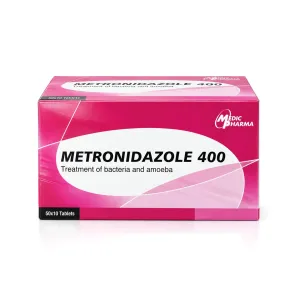 Metronidazole
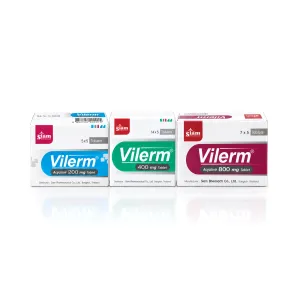 Vilerm
 Firide
 Gofen
Gofen Annylyn
 Sumigran
 Preme
Preme Tofago
 B-Ciprofloxacin
 Tansy One
 Enaril
 Nasonex