There is no cure for herpes, but antiviral medication such as Acyclovir can control symptoms and shorten healing time
Most important rule: start antiviral treatment as early as possible — as soon as you feel tingling/itching (prodrome), before blisters appear — the earlier, the better
A recurrent cold sore typically heals within 7-10 days (up to 10 days per the NHS) if there are no complications
Acyclovir comes as an oral tablet and a topical cream — both can be used as advised by a pharmacist
Home care (rest, gently cleaning the sore, avoiding contact) helps limit spread and prevents secondary infection
Ideas about lysine/arginine diet are widely discussed, but the medical evidence is weak and inconclusive — treat it as a minor supportive measure only
If symptoms don't improve within 10-14 days, or recurrences are frequent, consult a pharmacist or doctor
There is no cure for herpes — the herpes simplex virus (HSV) stays dormant in the body for life — but symptoms can be controlled and healing time shortened with antiviral medication combined with proper home care.
Three main treatment goals
Reduce symptom severity — less burning pain, smaller blisters
Shorten the healing period — especially when treatment starts early
Reduce transmission risk to others or to other body areas
Main combined approach
Antiviral medication, both oral and topical — the core of treatment
Home care — cleaning the sore, resting, avoiding contact
Briefly: herpes usually starts with tingling/itching (prodrome), followed by clustered clear blisters that break into sores and then crust over. This article focuses on treatment and self-care — for a full overview of causes and symptoms, see the overview article below.
Acyclovir is the primary antiviral used to treat herpes. It works by inhibiting HSV replication and is available as an oral tablet or a topical cream.
Oral acyclovir (systemic)
Suited for severe symptoms, frequent recurrences, or a weakened immune system. It acts throughout the body, and when started at the right time it tends to reduce severity and healing time more than the topical form.
Topical acyclovir cream
Suited for milder symptoms, applied directly to the affected area. Fewer systemic side effects since less is absorbed into the body.
The single most important rule: start early
Apply or take the medication as soon as you feel tingling, itching, or burning (prodrome) — before blisters appear. Antivirals work best in this early window and may be less effective once blisters have already formed.
Vilerm (acyclovir) is one option available from Intimo Life — always consult a pharmacist before use, especially during pregnancy, breastfeeding, or with kidney disease.
Besides antiviral medication, proper home care reduces irritation and helps prevent secondary infection.
Gently clean the sore with clean water or saline, then pat dry
Apply a cold compress to painful, swollen areas to ease symptoms
Avoid picking or squeezing blisters — this can spread the sore and cause secondary bacterial infection
Wear loose, non-chafing clothing around the affected area (for genital herpes)
Wash your hands every time after touching the sore to prevent spreading the virus to other body parts or other people
Herpes Healing Timeline by Stage
A recurrent oral cold sore typically heals within 7-10 days with proper care and no complications — the NHS notes that cold sores usually clear up on their own within 10 days. A first-time (primary) infection tends to be more severe and may take longer to fully resolve.
The 4 stages of a herpes outbreak
Stage 1 — Prodrome: tingling, itching, or burning about 1-2 days before blisters appear — the best time to start treatment
Stage 2 — Blisters: clustered clear blisters form, around days 2-4
Stage 3 — Open sore: blisters break into sores around days 4-6 — watch for secondary infection
Stage 4 — Crusting/Healed: the scab falls off and skin recovers, around days 7-10
The table below summarizes each stage and what to do:
It is commonly suggested that certain foods may influence herpes healing, based on the balance between the amino acids lysine and arginine — but it's important to be upfront that the clinical evidence here is weak and inconclusive. A review of the evidence found no clear benefit from lysine supplementation below 1 gram/day, while a few small studies suggest doses above 3 grams/day may help prevent recurrences to some degree. There isn't strong enough evidence to conclude that diet meaningfully treats an active outbreak.
Foods commonly suggested (relatively high in lysine)
Fish and chicken
Eggs and milk/yogurt
Leafy green vegetables
Foods commonly suggested to limit (relatively high in arginine)
Nuts and seeds
Chocolate
Separately, avoiding spicy, salty, or acidic foods is reasonable since they can directly irritate a mouth sore (this is common-sense advice rather than a specific research finding). Staying hydrated and getting enough rest also supports the immune system.
Bottom line: diet is, at most, a minor supportive measure with limited evidence — not a primary treatment and not a substitute for antiviral medication.
Eat (High Lysine)
Avoid (High Arginine)
Fish, chicken
Nuts
Eggs, milk
Chocolate
Leafy greens
Seeds
Yogurt
-
What Not to Do During an Outbreak
Certain actions during an active herpes sore can make symptoms worse or spread the virus to others:
Do not pick, squeeze, or scratch blisters
Do not share personal items such as cups, towels, or lip products
Avoid sex or kissing while a sore is open (for oral or genital herpes)
Do not self-medicate with antibiotics — herpes is caused by a virus, not bacteria, so antibiotics won't work
Do not stop antiviral medication early before completing the course advised by a pharmacist or doctor
When to See a Doctor
Most herpes outbreaks resolve on their own with proper care, but some signs warrant a pharmacist or doctor visit:
Symptoms have not improved after 10-14 days
High fever, swollen lymph nodes, or unusually spreading sores
Frequent recurrences within a year
A weakened immune system (e.g. poorly controlled diabetes, chemotherapy, HIV) or pregnancy
A sore appearing near the eye — see a doctor immediately, as this risks eye infection (keratitis)
Preventing Recurrence
Herpes can recur when the immune system is weakened or triggers are present. Managing these factors helps reduce how often outbreaks happen:
Get enough rest and manage stress
Avoid strong sun or wind on the lips (for oral herpes) and use a sunblock lip balm
Apply antiviral medication as soon as you notice the prodrome tingling/itching
If recurrences are frequent, ask a pharmacist or doctor about continuous suppressive antiviral therapy to reduce frequency
Support your immune system with a healthy diet and quality sleep
Frequently Asked Questions
A recurrent cold sore usually heals within 7-10 days with proper care and early antiviral treatment. A first-time infection tends to be more severe and can take longer to fully resolve.
Generally within 10 days according to the NHS, if there are no complications — similar to herpes at other body sites.
It can still heal naturally, but tends to take longer and carries a higher risk of secondary infection. Starting antiviral treatment early helps shorten the course.
There's no clear medical evidence, but common advice suggests limiting relatively high-arginine foods like nuts and chocolate, plus spicy foods that irritate the sore — treat this as a minor supportive idea, not a medical requirement.
Avoid very spicy, sour, or hard foods that directly irritate the sore. Limiting high-arginine foods remains a common idea with limited supporting evidence.
Relatively high-lysine foods such as fish, chicken, eggs, and milk are commonly mentioned as possibly helpful, but the scientific evidence is weak — they should not replace antiviral medication.
Yes, for mild cases — using antiviral medication early alongside home hygiene care. It's still best to consult a pharmacist as well.
Acyclovir is the main antiviral used, available as both oral and topical forms. Use it as advised by a pharmacist or doctor, and start as early as possible when you feel the warning signs.
⚠️ Disclaimer
The information on this page is for general informational purposes only and is not intended to replace professional medical advice, diagnosis, or treatment from a qualified doctor or pharmacist. If you have any questions about your symptoms or medication, always consult a doctor or pharmacist first.



 Metronidazole
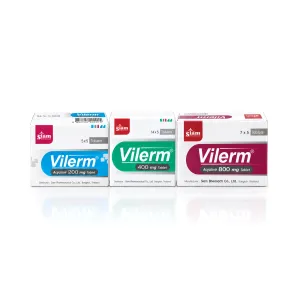 Vilerm
 Firide
 Gofen
Gofen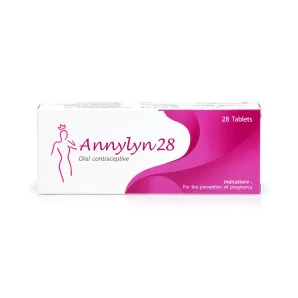 Annylyn
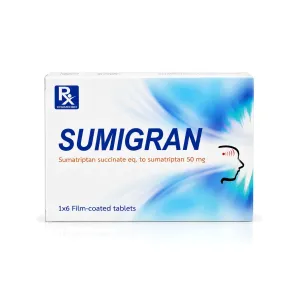 Sumigran
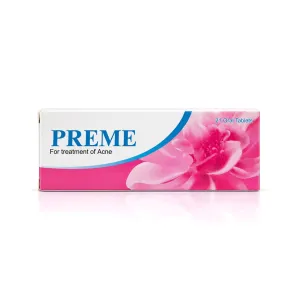 Preme
Preme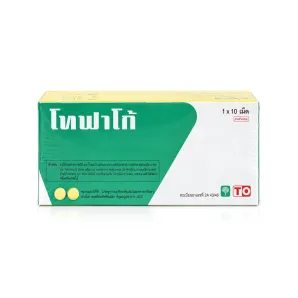 Tofago
 B-Ciprofloxacin
 Tansy One
 Enaril
 Nasonex