

Understand how hormone pills work and when to use them correctly and safely.
When to Use Hormone Balancing Pills — What Do They Do?
Hormone-balancing medications for women are a group of medications that help rebalance the hormones estrogen and progesterone, addressing a range of health concerns such as:
- Irregular or missed periods
- Hormonal acne, oily skin, excess hair growth
- Polycystic ovary syndrome (PCOS)
- Menopause symptoms such as hot flashes and trouble sleeping
- Thinning hair or easy weight gain linked to hormonal imbalance
Commonly used groups include combined oral contraceptives (COC), anti-androgens, and hormone replacement therapy (HRT). Always consult a doctor or pharmacist before starting.

What's on this page?
- What Is Hormonal Imbalance, and Why Does It Happen?
- How Many Types of Hormone-Balancing Medication Are There?
- How to Choose the Right Hormone-Balancing Medication for You
- How Long Does It Take to See Results From Hormone-Balancing Medication?
- Precautions and Side Effects You Should Know
- What Happens When You Stop Hormone-Balancing Medication?
- Alternatives Besides Medication
What Is Hormonal Imbalance, and Why Does It Happen?
Two main female sex hormones — estrogen and progesterone — work together to regulate the menstrual cycle, ovulation, skin health, mood, and metabolism. When these hormones fall out of balance, the body signals it in several ways.
Statistics worth knowing:
- About 10-13% of women worldwide have PCOS, the leading cause of hormonal imbalance, and as many as 70% don't know they have it (WHO)
- About 30-40% of women with hormonal acne also have PCOS (PMC)
- Acne in adult women affects 12-54%, more often than in men (PMC)
Signs your hormones may be out of balance
- Irregular periods — early, late, or missed altogether
- Acne along the chin, jawline, and neck (hormonal acne)
- Unusually oily skin
- Excess hair growth on the face or body
- Thinning hair
- Easy weight gain, especially around the waist
- Mood swings, irritability
- Trouble sleeping or hot flashes (around menopause)
How Many Types of Hormone-Balancing Medication Are There?
Hormone-balancing medications for women fall into 4 main groups, based on how they work and what they are used for.
1. Combined Oral Contraceptives (COC)
The most widely used group for balancing hormones. It contains both estrogen and progestin, which suppresses ovulation, regulates the menstrual cycle, and lowers the male hormones that cause acne and oily skin.
Best for: irregular periods, hormonal acne, PCOS, and when contraception is also needed
📖 Read more: What Is the Progestin-Only Pill? Pros and Cons
2. Progestin-Only Pills
Contains only progestin, with no estrogen. Suitable for those who cannot use estrogen — for example, people with migraine with aura, those breastfeeding, or those at higher risk of blood clots.
Best for: those who cannot use combined hormonal contraceptives, breastfeeding, or at risk of blood clots
📖 Read more: What Are the Side Effects of the Contraceptive Pill?
3. Anti-Androgens
Used when male hormone (androgen) levels are abnormally high, causing severe acne, excess hair growth, or hair loss. Common medications include spironolactone and cyproterone acetate (found in some contraceptive pill brands, such as Diane-35).
Best for: severe hormonal acne that a contraceptive pill alone doesn't control, or PCOS with excess hair growth or hair loss
Important: this group of medications must always be combined with contraception, because it can cause abnormal development in a male fetus if you become pregnant.
4. Hormone Replacement Therapy (HRT)
Used in women approaching or past menopause to supplement the estrogen and/or progesterone the body produces less of.
Best for: hot flashes, vaginal dryness, preventing osteoporosis, and menopause-related sleep problems
Forms: oral tablets, skin patches, gels, and vaginal creams
How to Choose the Right Hormone-Balancing Medication for You
| Symptom / Concern | Recommended Medication Group | Notes |
|---|---|---|
| Irregular periods + need contraception | Combined Oral Contraceptives (COC) | The most common first choice |
| Hormonal acne + oily skin | COC with an anti-androgen, e.g. Drospirenone | e.g. Yaz, Yasmin |
| Severe acne + excess hair growth + PCOS | COC + Spironolactone | Must always be combined with contraception |
| Cannot use estrogen | Progestin-only pill | e.g. migraine with aura, breastfeeding |
| Menopause / hot flashes | HRT | Discuss the risks with a doctor |
| Want to delay your period | Progestin-only (e.g. Provera) | Short-term use as directed by a doctor |
What to tell your doctor or pharmacist before starting:
- Any history of blood clots (yours or your family's)
- Migraine with aura
- Liver disease
- Whether you smoke, and your age
- If you are pregnant or breastfeeding
- Any other medications you are taking
How Long Does It Take to See Results From Hormone-Balancing Medication?
| Symptom | Time to See Results | Notes |
|---|---|---|
| Regular periods | 1-3 months | Cycles typically become regular with continued use |
| Reduced hormonal acne | 3-6 months | Acne may worsen for the first 1-2 months before improving |
| Reduced excess hair growth | 6-12 months | Takes longer than other symptoms |
| Menopause symptoms (HRT) | 2-4 weeks | Hot flashes usually improve quickly |
Tip: Don't switch medications too soon — use it continuously for at least 3 months before evaluating results, unless side effects are severe.
Precautions and Side Effects You Should Know
Possible side effects (usually improve within the first 1-3 months)
- Nausea
- Headache
- Breast tenderness
- Mood swings
- Spotting between periods
Warning signs that need immediate medical attention
- Pain, swelling, redness, or warmth in one leg (possible blood clot)
- Sudden shortness of breath or chest pain
- An unusually severe headache
- Sudden blurred vision
📖 Read more: What Are the Side Effects of the Contraceptive Pill?
What Happens When You Stop Hormone-Balancing Medication?
- Symptoms may return — especially hormonal acne and irregular periods, if the underlying cause (such as PCOS) is still present
- No long-term effect on fertility — most people can conceive within 1-3 months after stopping
- Stop gradually, following your doctor's guidance — do not stop on your own
📖 Read more: How Soon Can You Get Pregnant After Stopping the Pill?
Alternatives Besides Medication
If your symptoms are mild, or you want to support your hormones alongside medication, these lifestyle changes can help:
- Get 7-9 hours of sleep — too little sleep raises cortisol, which affects sex hormones
- Exercise regularly — helps reduce the insulin resistance that drives PCOS
- Manage your weight — losing just 5% of body weight can improve PCOS symptoms (Cleveland Clinic)
- Cut back on sugar and refined carbohydrates — helps lower insulin and male hormone levels
- Manage stress — yoga, meditation, or other relaxing activities
A note of caution: lifestyle changes can help, but if symptoms are severe, see a doctor about using medication alongside them.
Order Hormone-Balancing Medication Online at Intimo Life
If you would like to order contraceptive or hormone-balancing medication, you can order online at Intimo Life. Sign up as a member and consult our pharmacist first, so you get medication suited to your body and needs. Orders ship discreetly, with no product name shown on the package.
Frequently Asked Questions
Hormone-balancing medications adjust levels of the female sex hormones estrogen and progesterone back into balance. They are used for concerns such as irregular periods, hormonal acne, polycystic ovary syndrome (PCOS), and menopause symptoms. The main groups are combined oral contraceptives, anti-androgens, and hormone replacement therapy (HRT), each suited to different symptoms. Ask a pharmacist to help match the right one to your situation.
Combined oral contraceptives are only one group of hormone-balancing medications, not the whole category. Others, such as anti-androgens (like spironolactone) and hormone replacement therapy (HRT), don't prevent pregnancy at all. So even while taking certain hormone-balancing medications, you may still need a separate method of contraception. Check with a pharmacist whether the medication you're using also protects against pregnancy.
The timeline depends on the symptom. Periods usually become regular within 1-3 months, hormonal acne improves in 3-6 months, and excess hair growth can take 6-12 months, while menopause symptoms treated with HRT often improve within 2-4 weeks. Don't switch medications too quickly — use it continuously for at least 3 months before reviewing results with a pharmacist or doctor, unless side effects are severe.
It is best to avoid stopping suddenly on your own, because a rapid hormone shift can bring back the original symptoms — such as hormonal acne or irregular periods — more severely, or leave the body without enough time to adjust. The safer approach is to taper off gradually under a doctor's or pharmacist's guidance, especially after long-term use.
Current medical evidence doesn't clearly show that hormone-balancing medications cause real weight gain. The bloating or heaviness many people notice at first is usually fluid retention rather than added fat, and it typically settles within a few months. If weight keeps climbing and it worries you, talk to a pharmacist or doctor to check for other causes.
Anti-androgens, such as spironolactone, work by reducing the effects of male hormones that cause severe acne, excess hair growth, or hair loss — a different mechanism from contraceptive pills, which mainly suppress ovulation. Anti-androgens don't prevent pregnancy on their own, so they must always be combined with contraception, since they can cause abnormal development in a male fetus if you become pregnant while using them.
Hormone replacement therapy (HRT) is for women approaching or past menopause who have symptoms such as hot flashes, vaginal dryness, or sleep problems. It works by supplementing the hormones the body produces less of with age, unlike combined contraceptive pills, which suppress ovulation in women of reproductive age to prevent pregnancy and regulate the cycle. HRT comes in several forms — tablets, skin patches, gels, and vaginal creams. Always discuss the risks with a doctor before starting.
Hormone-balancing medications with a contraceptive effect, such as combined pills, don't affect long-term fertility — most people can conceive within 1-3 months after stopping. However, if the underlying condition, such as PCOS, hasn't been addressed, symptoms can return and may affect ovulation. If you're planning a pregnancy or it doesn't happen within the expected time, see a doctor to check for other causes.
⚠️ Disclaimer
The information on this page is for general informational purposes only and is not intended to replace professional medical advice, diagnosis, or treatment from a qualified doctor or pharmacist. If you have any questions about your symptoms or medication, always consult a doctor or pharmacist first.
References
- WHO — Polycystic Ovary Syndrome Fact Sheet (2026)
- Carmina E. et al. — Female Adult Acne and Androgen Excess, Journal of the Endocrine Society (2022)
- Borzyszkowska D. et al. — Evaluation of Hormonal Factors in Acne Vulgaris, Cells (2022)
- Cleveland Clinic — Polycystic Ovary Syndrome (PCOS)
- Endocrine Society — Polycystic Ovary Syndrome
- StatPearls — Polycystic Ovarian Syndrome, NCBI Bookshelf (2025)
- Yale Medicine — Polycystic Ovary Syndrome (PCOS)
ยาปรับฮอร์โมนยอดนิยม
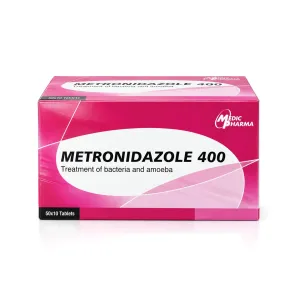
Metronidazole
Treats bacterial vaginosis & abnormal vaginal discharge
✓ In stock
40.00 ฿(฿4/tablet)

Vilerm
Oral herpes treatment reduces recurrence
✓ In stock
From 55.00 ฿(฿11/tablet)
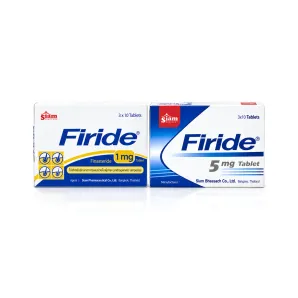
Firide
Finasteride for hair growth – quality & value
Out of stock
From 345.00 ฿(฿11.50/tablet)
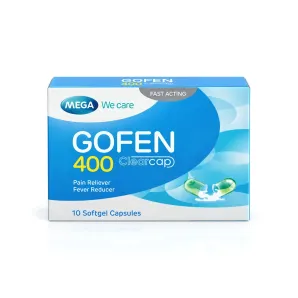
Gofen
Gofen for period pain, headache & muscle ache
✓ In stock
120.00 ฿(฿12/tablet)
Related Articles


Best Day for a Haircut: Thai Beliefs 2026
Best haircut days, days to avoid and 2026 holy days

30 Korean Girls Hairstyles for 2026
30 Korean-style girls' hairstyles with real 4-angle photos