Migraine is a chronic neurological disorder characterized by throbbing pain on one side of the head, often with nausea and sensitivity to light and sound — distinct from common tension headaches, which cause dull pain on both sides.
Has clear triggers: stress, sleep deprivation, menstrual cycle, certain foods, alcohol, bright lights
4 phases: Prodrome → Aura → Headache → Postdrome
Triptans (Sumatriptan, Rizatriptan) are the specific drug class for acute migraine attacks
Common pain relievers like Ibuprofen and Paracetamol work for mild migraines
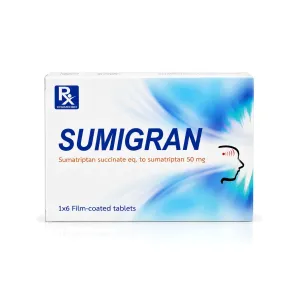
Brands in Thailand: Sumigran (Sumatriptan), Tofago (Rizatriptan)
Medically reviewed by
Supatcheree A., Pharmacist | Sources: NHS, Mayo Clinic, NCBI, Cleveland Clinic, NICE
📚 This guide answers: what causes migraine, fast migraine relief methods, best migraine medications, and whether migraine can be cured.
What is Migraine?
Before starting migraine treatment, it helps to understand the condition: Migraine is a chronic neurovascular disorder of the brain. Patients experience one-sided throbbing pain lasting several hours to days, often accompanied by nausea, vomiting, and sensitivity to light, sound, and smell. It differs from tension headaches, which cause dull bilateral pain without these accompanying symptoms.
Migraine vs Common Headaches
Migraine — one-sided throbbing pain, nausea, light/sound sensitivity, may be preceded by aura (visual disturbances)
Tension headache — dull bilateral pain like a tight band, no nausea
Cluster headache — severe pain around one eye, short but frequent attacks, watering eye, blocked nose
The WHO ranks migraine among the top 10 most disabling conditions worldwide, particularly affecting working-age women.
Migraine Statistics
Migraine is more common than most people realize — these figures reflect its real impact on daily life:
Statistic
Number
Source
Global migraine prevalence
~14% (~1 billion people)
WHO, 2024
Female : male ratio
3 : 1
NCBI StatPearls
Patients with aura before pain
~20-30%
Mayo Clinic
Average untreated attack duration
4-72 hours
NICE CG150
Average workdays lost per year
~7 days/year
Cleveland Clinic
Causes and Triggers
Migraine arises from abnormal brain activity affecting nerves and blood vessels. Genetics play a major role — if both parents have migraine, the risk of inheritance is up to 50%.
Paracetamol 1000 mg — for mild attacks, safer than NSAIDs for sensitive stomachs
Ergotamine — older drug, used less now due to more side effects than Triptans
Anti-nausea drugs — Domperidone, Metoclopramide taken alongside to reduce nausea and improve drug absorption
Group 2: Preventive (when ≥4 attacks/month)
Beta-blockers — Propranolol
Anti-epileptics — Topiramate, Sodium valproate
Antidepressants — Amitriptyline
CGRP inhibitors (newer) — Erenumab, Fremanezumab for chronic migraine not responding to other drugs
💡 Key principle: Triptans must be taken at the very onset of pain, not when pain peaks — onset of action 30-60 minutes. Do NOT combine with Ergotamine.
Fast Migraine Relief at Home
While waiting for medication or recovery, these home measures can be done immediately:
Find a dark, quiet space — turn off lights, close curtains, avoid loud noise and strong odors
Cold compress — apply ice pack or cold cloth to forehead, temples, or back of neck — reduces blood vessel dilation
Drink plenty of water — dehydration is a clear migraine trigger
Have one cup of coffee — small amount of caffeine helps constrict vessels and enhance painkiller effect (do not exceed 2 cups/day)
Pressure points — gently press temples and the LI4 point (between thumb and index finger) for 1-2 minutes
Deep breathing — 4-7-8 technique: inhale 4 sec, hold 7 sec, exhale 8 sec
Rest / nap — even 30 minutes in a dark room can abort an attack
Peppermint oil on temples — menthol creates a cooling, relaxing sensation
Avoid: sun exposure, exercise, eating known migraine-triggering foods (see triggers section).
History of stroke or TIA (transient ischemic attack)
Hemiplegic migraine or basilar migraine
Pregnant/breastfeeding — consult a doctor first
Sulfa drug allergy (Sumatriptan has similar structure)
Drugs that should NOT be combined with Triptans
Ergotamine — risk of excessive vasoconstriction
MAO Inhibitors — older antidepressants
High-dose SSRIs/SNRIs — risk of Serotonin syndrome
🚨 Red Flags — Go to the ER Immediately
❗ Sudden severe headache (Thunderclap headache) — feels like an explosion
❗ Headache with high fever and stiff neck — suspect meningitis
❗ Headache with one-sided weakness or slurred speech — suspect stroke
❗ Headache with seizures or loss of consciousness
❗ New headache in adults over 50 with no prior history
❗ Headache after head injury
Which Migraine Brand is Best?
Two main Triptan brands are widely available in Thailand at pharmacies and community pharmacists — they differ mainly in onset speed, duration of action, and likelihood of recurrence:
Brand
Generic
Onset
Highlights
Best for
Sumigran
Sumatriptan 50 mg
30-60 min
Original Triptan, long clinical track record
Triptan first-timers, typical migraine
Tofago
Rizatriptan 10 mg
~30 min
Faster onset, oral disintegrating form (great when nauseous)
Fast-onset severe pain, severe nausea making swallowing hard
Triptan-class migraine drugs in Thailand are mostly available from licensed pharmacies. Intimo Life stocks the 2 most-used Triptan brands, covering both common generics:
Sumatriptan 50 mg is the first Triptan brought to market and the most widely used worldwide. It is the standard first-line choice doctors prescribe for acute migraine. Onset within 30-60 minutes, relieves pain, nausea, and light sensitivity — well-suited for Triptan first-timers or typical moderate-to-severe migraines.
Rizatriptan 10 mg acts about 10-15 minutes faster than Sumatriptan and comes in an Orally Disintegrating Tablet form that requires no water. Particularly useful when nausea is severe or in situations where water is not at hand — in the car, at work. Patients with severe migraine who need the fastest possible relief benefit most from Tofago.
Consult an online pharmacist before ordering — both have important contraindications (heart disease, hypertension, stroke history). The pharmacist will assess your suitability and advise correct use for your symptom pattern.
Frequently Asked Questions
Migraine results from abnormal nerve and blood vessel activity in the brain with a strong genetic component. Common triggers include stress, sleep disruption, hormonal changes (especially menstruation), specific foods (chocolate, aged cheese, red wine, MSG), bright lights, loud sounds, and weather changes.
Migraine is a chronic neurological disorder featuring one-sided throbbing pain with nausea and light/sound sensitivity — different from tension headaches, which cause dull bilateral pain without these symptoms. Each attack lasts 4-72 hours; 20-30% of patients experience aura (visual disturbances) before the pain.
Migraine cannot be permanently cured due to genetic factors, but it can be well controlled through (1) trigger avoidance, (2) early acute treatment when pain begins, (3) preventive medication if attacks exceed 4 per month — many patients reduce frequency from 8-10 to 1-2 attacks per month.
Yes, effective for mild-to-moderate migraine — take 400-600 mg at the very onset of pain, with 30-60 minute onset. Safe for short-term use, but do not exceed 10 days per month as it can cause Medication Overuse Headache (MOH).
Common food triggers include chocolate, aged cheeses (cheddar, brie), red wine, beer, MSG, fermented foods, processed meats with nitrates, Aspartame sweeteners, and more than 2 cups of caffeine per day. Not everyone reacts to all of these — keep a Migraine Diary for 2-4 weeks to identify your personal triggers.
Each attack lasts 4-72 hours. With early Triptan treatment, pain can resolve in 30-60 minutes. Untreated attacks may last up to 3 days, followed by a 1-2 day Postdrome of fatigue. If pain persists beyond 72 hours without relief, this is called Status Migrainosus and requires medical attention.
Yes — migraine is a lifelong chronic condition. While there may be symptom-free periods, attacks can return when triggered. It should be listed in medical records so physicians can choose safe medications and avoid drugs that may trigger migraine.
Triptans (Sumigran, Tofago) should NOT be combined with Ergotamine (additive vasoconstriction), MAO Inhibitors within 2 weeks, or high-dose SSRIs/SNRIs (risk of Serotonin syndrome). Special caution is needed in patients with heart disease and hypertension — always consult a pharmacist before use if on regular medication.
⚠️ Disclaimer
The information on this page is for general informational purposes only and is not intended to replace professional medical advice, diagnosis, or treatment from a qualified doctor or pharmacist. If you have any questions about your symptoms or medication, always consult a doctor or pharmacist first.



 Metronidazole
 Vilerm
 Firide
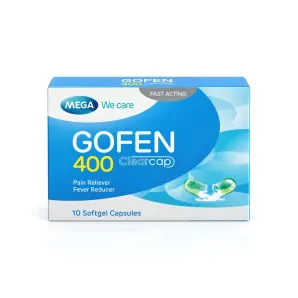 Gofen
Gofen Annylyn
 Sumigran
 Preme
Preme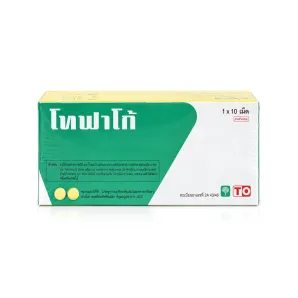 Tofago
 B-Ciprofloxacin
 Tansy One
 Enaril
 Nasonex