Back Pain and Tendonitis — Can Muscle Relaxants Help?
Yes, they work — muscle relaxants for back pain and tendonitis caused by muscle tension are the primary class doctors prescribe, especially during the acute 5-7 day window.
Why do muscle relaxants help back pain?
Because most back pain does not come from bone — it comes from tense back muscles like the erector spinae along the spine, or quadratus lumborum at the lower back. When these muscles spasm, they send pain signals and restrict movement.
What should they be combined with for best effect?
The standard is muscle relaxant + analgesic / anti-inflammatory:
Tolperisone/Eperisone + Paracetamol — for general pain without significant inflammation
Tolperisone/Eperisone + NSAIDs (Ibuprofen, Naproxen, Celecoxib) — for inflammatory pain or tendonitis
Norgesic alone — already contains Orphenadrine + Paracetamol in one tablet
Yes, in the early stage — muscle relaxants reduce tension in muscles surrounding the inflamed tendon, decreasing load and accelerating recovery. But the tendon inflammation itself requires NSAIDs alongside.
Standard regimen for tendonitis
Tolperisone (Mydocalm/Biocalm) or Eperisone (Myonal) — relaxes muscles around the tendon
+ NSAID like Ibuprofen, Naproxen, Celecoxib — reduces tendon inflammation
+ Rest from the offending activity for 2-4 weeks
+ Cold compress 15-20 minutes 3-4 times/day for first 48 hours, then switch to warm
Chronic tendinopathy
If it persists beyond 4-6 weeks, medication alone is insufficient — must combine with physical therapy (eccentric exercise) and in some cases steroid injection or PRP from a specialist.
Myositis — Which Medication Helps
Myositis has several types — most common in daily life:
Traumatic myositis
From heavy exercise, heavy lifting, muscle tear/strain — muscle relaxant + NSAID is standard + muscle rest + cold compress for first 48 hours.
Post-exercise muscle soreness (DOMS)
Aches 24-72 hours after intense exercise — resolves on its own in 5-7 days. Supplement with Paracetamol or NSAID for pain; muscle relaxants help reduce tension.
Autoimmune myositis
Such as Polymyositis, Dermatomyositis — requires specialist physician. Steroids and immunosuppressants needed; general muscle relaxants insufficient.
Infectious myositis
Presents with high fever, red swelling — requires antibiotics. Do NOT self-medicate with muscle relaxants without seeing a doctor.
Most back pain resolves on its own, but some signs must NOT wait — see a doctor immediately:
❗ Pain radiating to leg, leg numbness — suspect herniated disc compressing nerve
❗ Leg weakness, unable to walk — sign of severe nerve compression
❗ Loss of bladder/bowel control — Cauda equina syndrome, requires urgent surgery
❗ High fever with back pain — suspect infection (vertebral osteomyelitis)
❗ Unexplained weight loss + chronic pain — must rule out serious disease
❗ Severe night pain — especially pain that wakes you
❗ Pain persisting beyond 2 weeks despite full medication course
❗ History of cancer + new back pain
❗ Recent fall or trauma before pain started
If 1 or more apply → go to ER or orthopedic clinic immediately.
Preventing Chronic Back Pain From Returning
Adjust work posture
Straight back, chair supports lower back
Monitor at eye level, no neck bending
Feet flat on floor, no leg crossing
Change posture every 30-45 minutes
Strengthen core muscles
Plank, Bird-dog, Dead bug — 3-4 times/week supports the spine and reduces recurrence.
Lift correctly
Squat down, straight back, push with legs not back — get help for very heavy items.
Mattress + pillow care
Medium-firm mattress, neither too soft nor too hard. Neck pillow keeps spine alignment.
Manage stress
Stress causes muscle tension — practice deep breathing, meditate 10-15 minutes/day.
Maintain healthy weight
Excess weight increases spinal load — keep BMI in normal range to reduce chronic back pain risk.
Frequently Asked Questions
Standard is muscle relaxant + analgesic — choose Tolperisone (Mydocalm/Biocalm) for general pain, Eperisone (Myonal) if working/driving, or Norgesic for severe pain when you can rest. Combine with Paracetamol or NSAID + compress + rest, use 5-7 days. See a doctor if no improvement.
Yes, in the early stage — by reducing tension in muscles around the tendon. But the inflamed tendon itself requires NSAIDs (Ibuprofen, Naproxen, Celecoxib) alongside + 2-4 weeks of activity rest. If chronic beyond 4-6 weeks, must combine with physical therapy.
See a doctor — chronic pain beyond 2 weeks not responding to muscle relaxants may have deeper causes like herniated disc, nerve issues, or degeneration. Do NOT continue medication indefinitely as it masks the underlying condition.
Not enough — leg-radiating pain typically comes from nerve compression (Sciatica/herniated disc), not muscles. See an orthopedic doctor for MRI/X-ray. May need specific neuropathic pain medications (Gabapentin, Pregabalin) + physical therapy + sometimes surgery.
Depends on cause — for injury or exercise use muscle relaxants (Tolperisone/Eperisone) + NSAID (Ibuprofen) + cold compress for first 48 hours. For autoimmune myositis or infectious myositis see a specialist as they require steroids/antibiotics.
Standard: NSAIDs (Ibuprofen 400 mg every 6-8 hours) for inflammation + muscle relaxant (Mydocalm or Myonal) for surrounding muscle tension + rest from offending activity 2-4 weeks + cold compress in first 48 hours. If chronic, combine with physical therapy.
Myonal (Eperisone) is most suitable — least sedating, can keep working without focus loss. Combine with Paracetamol for pain + adjust posture: monitor at eye level, lumbar pillow + stand every 30-45 minutes + core exercises 3-4×/week.
Helps partially — herniated disc compressing nerves often causes surrounding muscle spasm; muscle relaxants can reduce this spasm. But it does NOT treat the disc itself — see an orthopedic doctor + physical therapy + sometimes surgery for severe cases. Do NOT use muscle relaxants chronically as it masks symptoms.
⚠️ Disclaimer
The information on this page is for general informational purposes only and is not intended to replace professional medical advice, diagnosis, or treatment from a qualified doctor or pharmacist. If you have any questions about your symptoms or medication, always consult a doctor or pharmacist first.



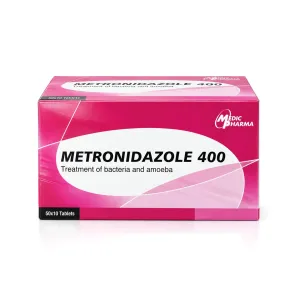 Metronidazole
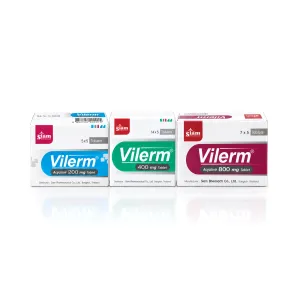 Vilerm
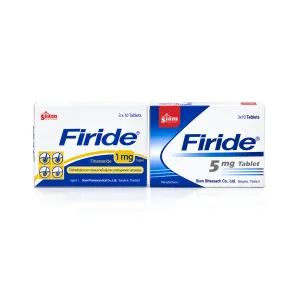 Firide
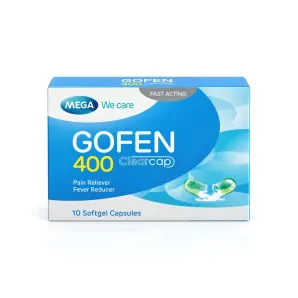 Gofen
Gofen Annylyn
 Sumigran
 Preme
Preme Tofago
 B-Ciprofloxacin
 Tansy One
 Enaril
 Nasonex