Relief for itchy rashes, hives, a blocked nose, and sneezing from allergies
Itchy rashes, hives, sneezing, or a blocked nose get in the way of work and daily life. Intimo Life brings several antihistamine classes together so you can pick what fits your symptoms.
💊 Choose from once-daily, long-acting formulas or non-drowsy options for staying alert all day.
👨⚕️ Consult a pharmacist online instantly — no travel, no queues, completely private and convenient.
🚚 Fast, confidential delivery — plain packaging with no product names on the outside, delivered safely to your door.
Which antihistamine should I choose for my symptoms and lifestyle?
Antihistamines split into older, sedating first-generation drugs and newer, non-drowsy second-generation options that last up to 24 hours. If you drive or work all day, choose a non-drowsy option; for a sudden, severe flare-up, a fast-acting formula may help more. Always check with a pharmacist before choosing.
🛒 Shop the range above · 24-hour dispatch from Intimo Life — consult a pharmacist if unsure.
Antihistamines are drugs that block histamine, the chemical behind itchy rashes, hives, sneezing, a blocked or runny nose, and itchy eyes when the body reacts to an allergen. They treat both seasonal allergic rhinitis and chronic hives.
📊 Key clinical statistics:
An estimated 10-30% of the global population experiences allergic rhinitis symptoms at some point.
Acute hives affect up to 20% of people at least once in their life.
Second-generation antihistamines cause markedly less drowsiness than first-generation drugs in clinical studies.
💊 At Intimo Life, antihistamines fall into two main groups by drug generation, covering itchy rashes, hives, and allergic rhinitis:
First-generation — such as chlorpheniramine; fast-acting and affordable, but often causes drowsiness and dry mouth.
Second-generation — such as cetirizine, loratadine, fexofenadine, and bilastine; little to no drowsiness, effects lasting up to 24 hours.
⚠️ If symptoms last over 6 weeks, or if you are pregnant, breastfeeding, or managing another condition, always check with a pharmacist before choosing an antihistamine.
Medically reviewed by
ทีมเนื้อหา Intimo Life | Supatcheree A., Pharmacist
How Many Types of Antihistamines Are There? First-Gen vs Second-Gen?
Antihistamines split into two main groups by drug generation: first- and second-generation.
First-generation — e.g. chlorpheniramine (Histatab) — fast-acting and affordable, but crosses into the brain easily, often causing drowsiness and dry mouth.
Second-generation — e.g. cetirizine, loratadine, fexofenadine, bilastine — cross into the brain far less, causing little to no drowsiness and lasting longer.
Second-generation suits daytime use; first-generation works well at night when a sedating effect helps.
Cetirizine vs Levocetirizine — What's the Difference?
Cetirizine and levocetirizine are closely related second-generation antihistamines — levocetirizine is the active isomer of cetirizine.
Cetirizine — sold as Cettec, Cetrizin, and Zyrtec; effective, though some people find it slightly more sedating than other second-generation options.
Levocetirizine — sold as Xyzal and Levocet; uses a lower dose than cetirizine for a similar effect.
Loratadine vs Desloratadine — What's the Difference?
Desloratadine is the active metabolite the body converts loratadine into, so the two drugs share a very similar mechanism and effect.
Loratadine — sold as Z-Deen and Alerest; non-drowsy for most people, lasting 24 hours.
Desloratadine — sold as Aerius; acts slightly faster, and some studies suggest better relief of nasal congestion.
Both are non-drowsy and suit people who work or drive during the day — choose based on convenience rather than a large difference in effectiveness.
Fexofenadine vs Bilastine — Which Is the Least Drowsy?
Fexofenadine and bilastine are considered the least sedating second-generation antihistamines, since they barely cross into the brain at all.
Fexofenadine — sold as Fenafex and Telfast; best taken on an empty stomach, avoiding fruit juices that can reduce absorption.
Bilastine — sold as Bilaxten; can be taken with food more conveniently, with strong non-drowsy data across several studies.
Both suit drivers, people in high-alertness jobs, or anyone who wants zero drowsiness throughout the day.
How Do You Choose the Right Antihistamine for Your Symptoms and Lifestyle?
A 3-step framework — use it to compare the products on this page directly.
Check your symptom — itchy rashes and severe hives respond well to cetirizine/levocetirizine; congestion and runny nose from rhinitis respond well to loratadine/desloratadine/fexofenadine.
Check your lifestyle — driving or staying alert all day? Avoid cetirizine/levocetirizine, which are more sedating; choose bilastine or fexofenadine instead.
Check frequency — long-term use calls for a reliable once-daily option; for an occasional bad night, first-generation chlorpheniramine still has its place.
How Many Antihistamine Tablets a Day? When Should You Take Them?
Most second-generation antihistamines are dosed once daily, at the same time each day, to keep blood levels steady.
Fexofenadine works best on an empty stomach, 2+ hours from fruit juice, which can reduce absorption.
Cetirizine, loratadine, desloratadine, and bilastine can be taken with or without food.
First-generation chlorpheniramine wears off sooner, so some formulations need repeat dosing per the label.
Never exceed the labeled dose — if symptoms persist, talk to a pharmacist instead of taking extra tablets.
How Fast Do Antihistamines Work, and How Long Do They Last?
Most antihistamines start working within 30-60 minutes and reach full effect within a few hours.
Second-generation drugs — cetirizine, loratadine, desloratadine, fexofenadine, and bilastine — last up to 24 hours per dose, so once-daily dosing is enough.
First-generation chlorpheniramine kicks in slightly faster but wears off sooner, typically lasting around 4-6 hours.
For steady symptom control all day without repeat dosing, a 24-hour second-generation option is the better fit.
Hives vs Allergic Rhinitis — Do They Need the Same Antihistamine?
Hives and allergic rhinitis share the same histamine mechanism but show up in different parts of the body.
Hives — raised, itchy red welts, triggered by food, medication, heat, or stress. See the skin rash collection for more.
Allergic rhinitis — sneezing, blocked or runny nose, itchy eyes from dust, pollen, or dust mites. See the hay fever collection for more.
The same second-generation antihistamine usually works for both — but if symptoms overlap or are severe, check with a pharmacist first.
Some antihistamines, such as loratadine and cetirizine, have more pregnancy safety data than others, but every case should be checked with a doctor or pharmacist first, especially in the first trimester. During breastfeeding, only small amounts pass into breast milk — choose a non-drowsy option at the lowest effective dose.
Minimum age varies by product and label. Most second-generation options are approved from age 2 in liquid form and age 6 in tablet form. Always check the label or package insert before giving a dose, and dose by the child's weight rather than guessing. When unsure, check with a pharmacist before buying.
Alcohol adds to the drowsiness of every antihistamine class, especially first-generation chlorpheniramine, which is already sedating. Combining the two can cause excessive drowsiness, dizziness, or poor concentration that makes driving risky. Even with less-sedating second-generation options, avoid heavy drinking while medicated.
Never exceed the labeled dose without medical advice. Overdosing can worsen side effects — heavy drowsiness, dry mouth, irregular heartbeat, or, in children, even seizures. If symptoms don't improve at the labeled dose, talk to a pharmacist rather than doubling up on your own.
Many second-generation antihistamines have data supporting long-term use for chronic hives or seasonal allergies, but ongoing use should be guided by a doctor. If symptoms haven't improved within 2-4 weeks, see a doctor for reassessment rather than continuing to self-medicate indefinitely.
It depends on the drug. First-generation chlorpheniramine causes significant drowsiness — avoid driving or operating machinery after taking it. Second-generation options like fexofenadine or bilastine are non-drowsy for most people, but try a dose at home first to check your own reaction before relying on it for a driving day.
Brand matters less than the active ingredient. Every antihistamine sold in Thailand meets the same drug-control standards, so what matters is the active drug (first- or second-generation), how sedating it is, and a convenient form like tablets or liquid. If unsure which fits your symptoms, ask a pharmacist before ordering.
Choose a store where a pharmacist is available to consult before every order, with discreet packaging. Intimo Life offers instant online pharmacist consultation before you decide, plus dispatch within 24 hours in plain packaging with no product names visible, so you can order with confidence.
Dispatched within 24 hrs
Order today for fast delivery. No long waits—ready to ship locally.
100% Authentic
Handpicked authentic products with certified standards.
Discreet Shipping
Plain packaging, no product names. Your privacy is our priority.
Affordable prices
Fair prices, exceptional value. Quality you can choose.
Sign Up and Get 10% Off your first purchase.
Become a member of our store to receive news and exclusive discounts.



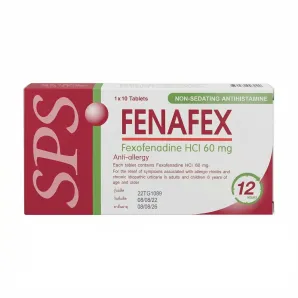 Fenafex
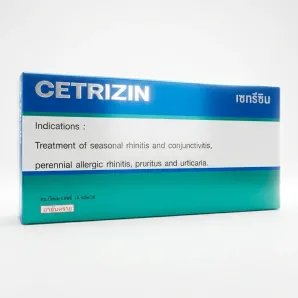 Cetrizin
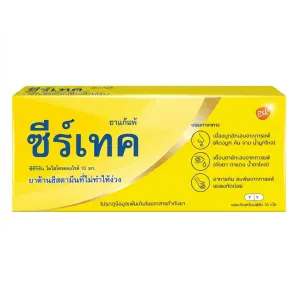 Zyrtec
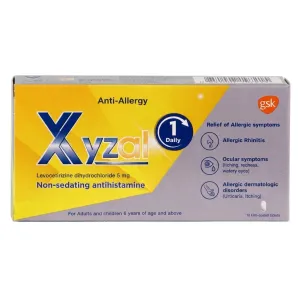 Xyzal
Xyzal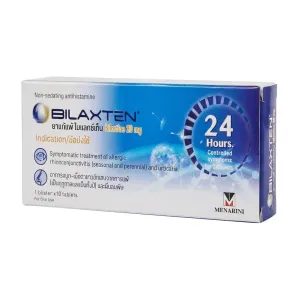 Bilaxten
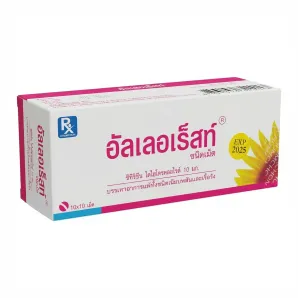 Alerest
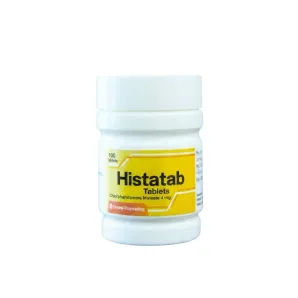 Histatab 4mg
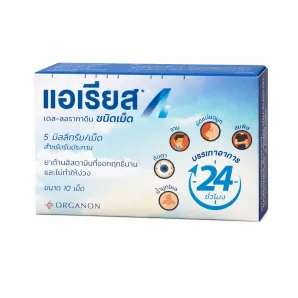 Aerius
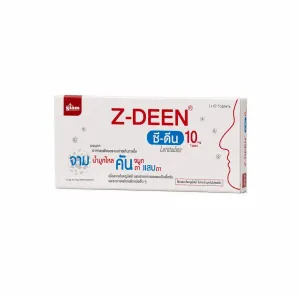 Z-Deen
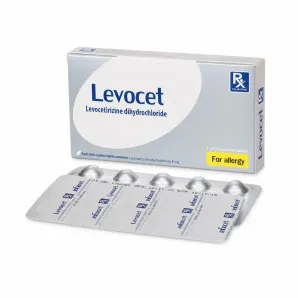 Levocet 5mg
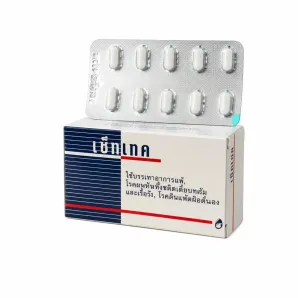 Cettec 10mg
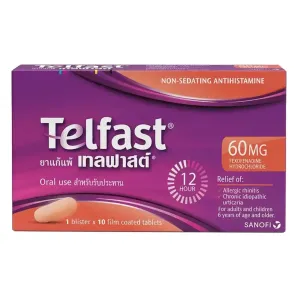 Telfast