

Hay Fever Treatments
Hay Fever / Allergic Rhinitis Treatment
Allergic rhinitis is incredibly common — sneezing, nasal congestion, runny nose, itchy eyes, puffy allergic eyes, and hives can seriously affect your daily life and productivity. Intimo Life offers effective allergy medication in both oral and nasal spray formats, helping you breathe easier and live normally.
💊 Non-drowsy antihistamines and corticosteroid nasal sprays available. Choose the format that suits your symptoms best.
👨⚕️ Consult a pharmacist online instantly — no travel, no queues, completely private and convenient.
🚚 Fast, confidential delivery — plain packaging with no product names on the outside, delivered safely to your door.
How should hay fever allergies be treated properly?
Hay fever (allergic rhinitis) is the most common allergy in Thailand, causing sneezing, nasal congestion, runny nose, and itchy nose or eyes. Main triggers here include dust mites, PM2.5, and pollen. Oral antihistamines work well for sneezing, runny nose, and itchy eyes, while intranasal steroid sprays specifically target congestion and nasal inflammation. It's a chronic condition controlled through medication and avoiding triggers.
🛒 Shop the range above · 24-hour dispatch from Intimo Life — consult a pharmacist if unsure.
Allergic rhinitis (hay fever) is one of the most common allergic conditions. Symptoms include sneezing, nasal congestion, clear runny nose, nasal itching, itchy eyes, allergic conjunctivitis, and hives.
📊 Key statistics:
- Approximately 20-30% of the Thai population suffers from allergic rhinitis, with prevalence steadily increasing
- Allergic rhinitis frequently co-occurs with asthma and eczema (atopic dermatitis) — all three conditions are linked
- In Thailand, the primary triggers are dust mites, PM2.5 air pollution, cigarette smoke, pollen, pet dander, and mould
💊 At Intimo Life, we offer two types of allergy medication:
- Oral antihistamine — Reduces sneezing, nasal itching, runny nose, itchy eyes, allergic conjunctivitis, and hives
- Intranasal corticosteroid spray — Reduces nasal congestion and inflammation directly. Most effective for nasal symptoms
⚠️ Allergic rhinitis is a chronic condition that can be controlled but not permanently cured. The right combination of medication and trigger avoidance makes a significant difference in quality of life.

Available Treatments
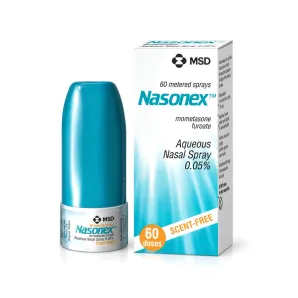 Nasonex
Daily nasal spray for allergy relief without drowsiness
✓ In stockFrom 549.00 ฿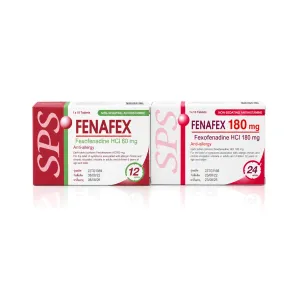 Fenafex
Non-drowsy antihistamine, fast & all-day relief
✓ In stockFrom 39.00 ฿(฿3.9/tablet)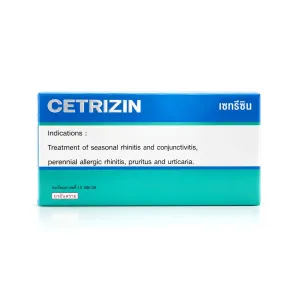 Cetrizin
Generic Cetirizine antihistamine, cost-effective option
✓ In stockFrom 20.00 ฿(฿1.47/tablet)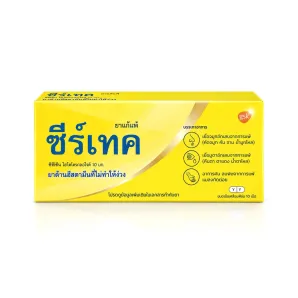 Zyrtec
Original brand cetirizine antihistamine
✓ In stock135.00 ฿(฿13.5/tablet)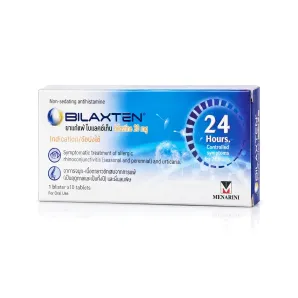 Bilaxten
Newer-gen Bilastine — low liver metabolism, no drug clashes
✓ In stock175.00 ฿(฿17.5/tablet)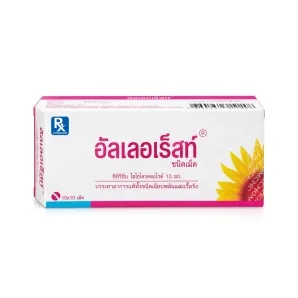 Alerest
Non-drowsy 24-hour antihistamine
✓ In stockFrom 25.00 ฿(฿2.5/tablet)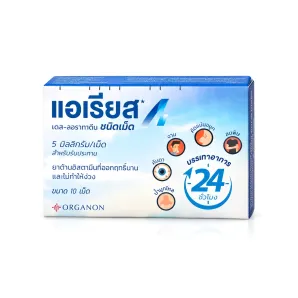 Aerius
Desloratadine, loratadine's active metabolite, faster-acting
✓ In stock319.00 ฿(฿31.9/tablet)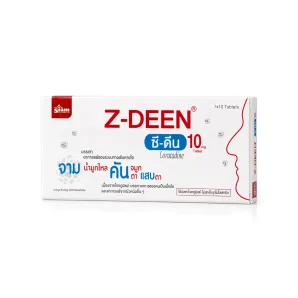 Z-Deen
Loratadine antihistamine, low-drowsiness, once-daily dose
✓ In stock80.00 ฿(฿8/tablet)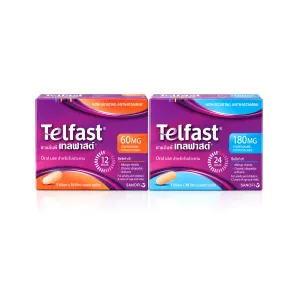 Telfast
Non-drowsy antihistamine for daily allergy relief
✓ In stockFrom 135.00 ฿(฿13.5/tablet)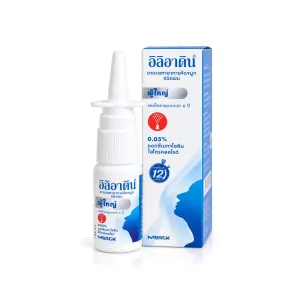 Iliadin Nasal Spray
Oxymetazoline nasal spray, clears congestion 12h
✓ In stock168.00 ฿
About Hay Fever Treatment
What Is Allergic Rhinitis (Hay Fever)?
Allergic rhinitis is an immune system overreaction to airborne allergens. When these substances enter the body through breathing, the immune system mistakenly identifies them as threats and releases histamine, causing sneezing, congestion, runny nose, itchy eyes, and other symptoms.
Allergic rhinitis comes in two main forms: perennial (year-round), triggered by constant allergens like dust mites, pet dander, and mould — the most common form in Thailand — and seasonal (hay fever), triggered by pollen during specific seasons.
What Are the Symptoms?
Symptoms can be grouped by the body area they affect.
🤧 Nasal symptoms — Repeated sneezing, especially in the morning or upon allergen exposure / nasal congestion and difficulty breathing / clear, watery runny nose / nasal itching and frequent nose rubbing
👁️ Eye symptoms (allergic conjunctivitis) — Intense eye itching and frequent rubbing / red, puffy eyes with watering / gritty or sandy feeling in the eyes / light sensitivity / swollen eyelids, especially in the morning
🩹 Skin symptoms — Hives and itchy red rashes / dry, sensitive skin
😴 Other symptoms — Poor sleep due to congestion / daytime fatigue and drowsiness / headaches / reduced concentration affecting work and study
What Triggers Allergic Rhinitis?
In Thailand, the most common triggers include:
🦠 Dust mites — The number one trigger in Thailand. Found in mattresses, pillows, blankets, carpets, and stuffed toys.
🌫️ PM2.5 and air pollution — A major issue in Thai cities and during the annual haze season. Significantly worsens allergy symptoms.
🌿 Pollen and grass — More common during seasonal transitions.
🐱 Pet dander — Especially from cats and dogs. The actual trigger is the animal's skin flakes and saliva, not the fur itself.
🍄 Mould and spores — Found in damp areas, bathrooms, and poorly maintained air conditioners.
🚬 Cigarette smoke, incense, chemicals, strong fragrances — Irritants that provoke allergy flare-ups.
How Does Telfast (Fexofenadine) Work?
Telfast is a second-generation antihistamine containing Fexofenadine. It works by blocking H1 histamine receptors, preventing the body from responding to the histamine released during allergic reactions.
Advantages of Telfast — Non-drowsy (unlike older antihistamines such as Chlorpheniramine, which cause significant drowsiness) / fast-acting, working within 1-3 hours / long-lasting 24-hour effect — take once daily / reduces sneezing, congestion, runny nose, nasal itching, itchy eyes, allergic conjunctivitis, and hives
How Does Nasonex Nasal Spray (Mometasone) Work?
Nasonex is a corticosteroid nasal spray containing Mometasone Furoate. It works by reducing inflammation directly on the nasal lining, relieving congestion, reducing discharge, and improving breathing.
Advantages of Nasonex — Considered the most effective treatment for nasal allergy symptoms according to clinical guidelines / acts locally with minimal systemic absorption, resulting in very few side effects / non-drowsy / spray once or twice daily depending on severity / full effect typically within 1-2 weeks
Correct spraying technique — Shake the bottle before use / tilt head slightly forward, insert nozzle into nostril / aim the spray outward (away from the nasal septum) / press 1-2 sprays per nostril while breathing in gently / do not blow your nose forcefully after spraying
Oral Antihistamine vs Nasal Spray — Which Is Better?
Both have distinct strengths depending on your symptoms.
Oral antihistamine (Telfast) — Best for widespread symptoms including sneezing, runny nose, itchy eyes, allergic conjunctivitis, and hives / fast-acting, ideal for sudden flare-ups / convenient once-daily tablet
Nasal corticosteroid spray (Nasonex) — Best for persistent nasal symptoms, especially chronic congestion / more effective than oral medication for nasal congestion specifically / ideal for daily long-term use / minimal side effects due to local action
Using both together — If you have symptoms across multiple areas — nose, eyes (allergic conjunctivitis), and skin — you can use both Telfast and Nasonex simultaneously for the best results. Consult a pharmacist for an optimal plan.
What Is Allergic Conjunctivitis? How Is It Treated?
Allergic conjunctivitis is an allergic reaction affecting the eyes, commonly occurring alongside allergic rhinitis. It happens when allergens contact the eye's conjunctiva, causing intense itching, redness, puffiness, watering, and a gritty sensation.
Treatment options — Oral antihistamines (Telfast) help reduce eye itching and redness / antihistamine eye drops provide targeted relief / cold compresses help reduce swelling and itching / avoid rubbing your eyes, as this worsens inflammation
See an eye specialist if — Eyes are very red with pain or blurred vision / yellow or green discharge is present (may indicate infection, not allergy) / symptoms don't improve with antihistamine treatment
Allergic Rhinitis vs the Common Cold — How to Tell the Difference
Many people confuse these because symptoms overlap.
Allergic rhinitis — No fever / discharge stays clear and watery / rapid repeated sneezing / itchy nose and itchy eyes / symptoms last weeks or months / recurs in patterns when exposed to triggers
Common cold — May have low-grade fever / discharge starts clear, then turns thick yellow or green / less intense sneezing / rarely itchy eyes / resolves within 7-10 days / doesn't recur in predictable patterns
Distinguishing correctly matters because treatments differ. Allergies need antihistamines, while colds are viral and resolve on their own — antibiotics are not needed (read more about antibiotics).
Lifestyle Tips for Managing Allergic Rhinitis
Beyond medication, environmental adjustments make a huge difference.
🛏️ Bedroom — Use dust mite-proof mattress and pillow covers / wash bedding in hot water (60°C) weekly / reduce stuffed toys and carpets in the bedroom / use an air purifier with a HEPA filter
🏠 Home — Vacuum regularly with a HEPA-filter vacuum / clean air conditioners every 1-2 months / reduce indoor humidity to prevent mould growth
😷 Outdoors — Wear an N95 mask when PM2.5 levels are high / avoid going outside during peak pollen times / shower and change clothes when returning home to remove allergens
👃 Nasal irrigation — Rinsing the nose with saline solution flushes out allergens very effectively. Recommended as a daily routine.
When Should You See a Doctor?
Most allergic rhinitis can be managed with medication and lifestyle changes. However, see a doctor if:
🚨 Symptoms don't improve after 2 weeks of medication / you also experience asthma symptoms (wheezing, chest tightness) / recurrent sinusitis (facial pain, thick yellow-green discharge) / severe allergic conjunctivitis with eye pain or blurred vision / symptoms significantly impact sleep, work, or study / you want allergy testing to identify your specific triggers
⚠️ Disclaimer
The information on this page is for general informational purposes only and is not intended to replace professional medical advice, diagnosis, or treatment from a qualified doctor or pharmacist. If you have any questions about your symptoms or medication, always consult a doctor or pharmacist first.
References
- Feldman, H.A. et al. (1994). "Impotence and its medical and psychosocial correlates: results of the Massachusetts Male Aging Study." The Journal of Urology
- Hatzimouratidis, K. et al. (2016). "Guidelines on Male Sexual Dysfunction." European Association of Urology (EAU)
- Eardley, I. et al. (2010). Pharmacotherapy for Erectile Dysfunction
- Thai FDA (สำนักงานคณะกรรมการอาหารและยา)
- Mayo Clinic — Erectile Dysfunction: Symptoms and Causes
Frequently Asked Questions
Allergic rhinitis is a chronic condition with no permanent cure. However, symptoms can be very well controlled with medication and trigger avoidance. Some people find their symptoms improve with age. For those seeking root-cause treatment, allergen immunotherapy (allergy shots) is an option — consult a specialist.
Modern antihistamines like Telfast (Fexofenadine) have an excellent safety profile for daily long-term use. Nasonex nasal spray is equally safe for ongoing use because it acts locally with minimal systemic absorption.
Taking Telfast helps reduce eye itching and redness. Apply cold compresses to reduce puffiness. Avoid rubbing your eyes as this worsens inflammation. For severe cases, antihistamine eye drops may be needed — consult a pharmacist.
No. Telfast is a modern antihistamine that doesn't cross the blood-brain barrier, so it doesn't cause drowsiness. You can drive and work normally. This is different from older antihistamines like Chlorpheniramine, which cause significant drowsiness.
Nasonex is a locally-acting nasal steroid with very low systemic absorption — completely different from oral or injectable steroids that affect the whole body. It's safe for long-term use. The only possible side effects are mild nasal dryness or occasional minor nosebleeds.
Yes. PM2.5 particles increase inflammation in the nasal passages and respiratory tract, making allergy symptoms flare up and become more severe. During high PM2.5 periods, wear an N95 mask, use an air purifier, and you may need to increase your allergy medication.
Recently viewed products