
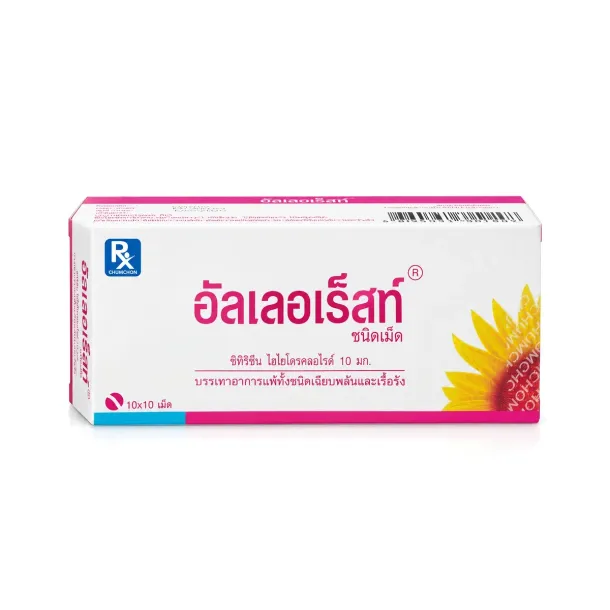
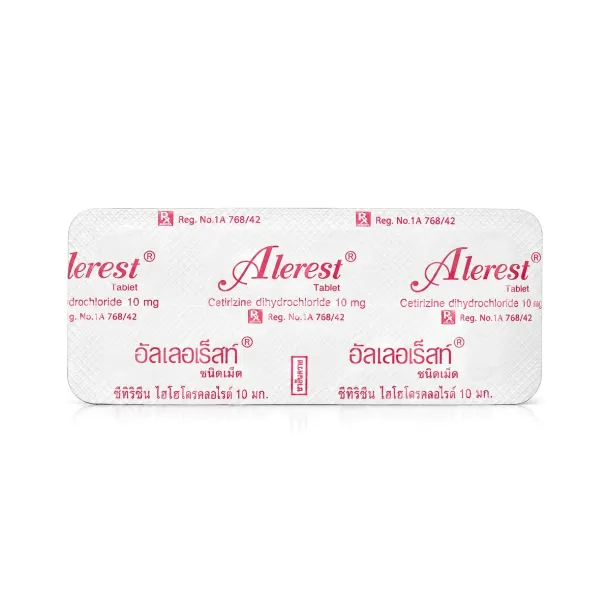
Cetirizine Dihydrochloride
Alerest 10 mg — 2nd-Generation Antihistamine for Allergies, 24-Hour Relief, Low Drowsiness
- 💊 Active Ingredient: Cetirizine Dihydrochloride 10 mg — H1-receptor antagonist, does not cross the blood-brain barrier
- ⏱️ Onset & Duration: Works within 1 hour, lasts 24 hours — once daily
- 🍽️ Food: Can be taken with or without food — absorption is not affected
- 📦 Pack: 10 mg film-coated tablets, manufactured by RX Manufacturing
- ⚡ Highlights: Reduces allergy symptoms 37% faster, 3x quicker onset than Loratadine
- 🌡️ Storage: Below 30°C, protect from light and moisture
Done — we will alert you on LINE when this item is back.
Remind me to reorder
Remind me every
First reminder 27 Nov 2026 · on LINE
Shipping
Discreet shipping within Thailand — packaging does not identify the product. Customers can review shipping and return conditions per our store policy. Contact our team for any questions.
What is Alerest?
Alerest is cetirizine dihydrochloride 10 mg, a second-generation antihistamine that relieves sneezing, runny nose, itchy nose and eyes, and hives from allergies. It blocks H1 receptors without crossing into the brain, so it causes less drowsiness than first-generation antihistamines like chlorpheniramine. It starts working within 1 hour, lasts 24 hours, and is taken once daily with or without food.
🛒 10 mg film-coated tablet · authentic · 24-hour dispatch from Intimo Life — consult a doctor or pharmacist before use.
Product Description
2nd-generation antihistamine Alerest contains Cetirizine Dihydrochloride 10 mg for relief of allergy symptoms including sneezing, runny nose, itchy nose and eyes, and hives (urticaria). Works within 1 hour, lasts 24 hours — once daily convenience. Ideal for people with chronic allergies who need daily relief without disrupting work or daily activities.
📊 Key facts about Alerest
- Cetirizine is one of the most widely used antihistamines worldwide (also known as Zyrtec internationally), FDA-approved since 1995
- As a 2nd-generation H1-antihistamine, it crosses the blood-brain barrier minimally, causing significantly less drowsiness than older antihistamines like Chlorpheniramine (CPM) — suitable for people who need to drive or work normally
- Clinical studies confirm Cetirizine is highly effective for allergic rhinitis and chronic urticaria, with faster onset of action compared to Loratadine
- For alternatives with virtually zero drowsiness, see Telfast or Fenafex — both contain Fexofenadine, a 2nd-gen antihistamine with minimal sedation
🏭 Manufactured by RX Manufacturing Co., Ltd. Reg. No. 1A 21/48(NG), ATC code: R06AE07
⚠️ Do not use if allergic to Cetirizine or Hydroxyzine, or in end-stage renal disease

About Alerest
What is Alerest?
Alerest is an antihistamine containing Cetirizine Dihydrochloride 10 mg, classified as a second-generation H1-antihistamine. It works by selectively binding to peripheral H1 receptors, blocking histamine from triggering allergy symptoms such as itching, sneezing, runny nose, and hives.
Because Cetirizine minimally crosses the blood-brain barrier, it causes significantly less drowsiness than first-generation antihistamines like Chlorpheniramine (CPM). The drug is rapidly absorbed from the GI tract, takes effect within 20-60 minutes, reaches peak plasma levels at 1-2 hours, and has a half-life of approximately 8-9 hours. It is primarily excreted unchanged via urine with minimal hepatic metabolism, resulting in few drug interactions.
What does Alerest treat?
Alerest (Cetirizine) relieves symptoms from various allergic conditions:
- Allergic Rhinitis — both seasonal (pollen, seasonal dust) and perennial (dust mites, pet dander, year-round allergens). Reduces sneezing, itchy nose, runny nose, nasal congestion
- Chronic Idiopathic Urticaria — recurring hives with itchy, raised welts of unknown cause. Reduces the number, size, and itching of wheals
- Other allergic skin reactions — itchy rashes, contact dermatitis, insect bite reactions. Helps reduce swelling and redness
- Allergic Conjunctivitis — red, itchy, watery eyes caused by allergens
Some doctors may also prescribe Cetirizine for pollen-induced asthma symptoms alongside bronchodilators.
How to take Alerest 10 mg
Adults and children 6 years and over: Take 1 tablet (10 mg) once daily. For mild symptoms, may split into half tablet (5 mg) twice daily, morning and evening.
Children 2-5 years: Half tablet (5 mg) once daily, or 2.5 mg twice daily as directed by a pharmacist.
Kidney impairment: Dose adjustment needed based on Creatinine Clearance. For CrCl 31-49 mL/min, take half tablet (5 mg) once daily.
Can be taken with or without food — food does not significantly affect absorption. Best taken before bedtime in case of mild drowsiness. Swallow whole with water. If you miss a dose, take it as soon as you remember. If close to the next dose, skip the missed one. Never double up.
Side effects of Alerest
Common:
- Drowsiness (about 14%, much less than 1st-gen like CPM at ~50%, but more than Fexofenadine which causes almost none)
- Headache, fatigue, mild dizziness
- Dry mouth, nausea, stomach discomfort
Uncommon: Dizziness, abdominal pain, diarrhea, slight weight gain (very rare)
Very rare: Hepatitis, tachycardia, seizures
Stop and seek medical help if: Signs of severe allergic reaction (Anaphylaxis) such as swelling of face, lips, tongue, difficulty breathing, or widespread severe rash
Contraindications / Precautions
Do not use if:
- Allergic to Cetirizine, Hydroxyzine, or any other ingredients
- End-stage renal disease
- Children under 2 years (tablet form)
Precautions:
- Kidney disease — dose adjustment may be needed
- Avoid alcohol as it may increase drowsiness
- Pregnant or breastfeeding — consult a pharmacist before use
- Be cautious driving after first dose until you know how your body responds
Alerest vs other antihistamines
Alerest (Cetirizine) compared to other antihistamines available at Intimo Life:
- vs Telfast (Fexofenadine 60/120/180 mg): Telfast is also a 2nd-gen antihistamine but causes virtually no drowsiness, making it ideal for those sensitive to sedation or who drive frequently. However, Alerest (Cetirizine) tends to provide slightly stronger symptom relief, especially for hives
- vs Fenafex (Fexofenadine 60 mg): Fenafex contains the same active ingredient as Telfast but at a more affordable price. The key difference is that Cetirizine (Alerest) works faster — within 20 minutes vs 1-2 hours for Fexofenadine
All three are safe and effective 2nd-generation antihistamines. Choose based on your needs — least drowsy: Telfast/Fenafex, most potent: Alerest
Can Alerest be taken with other medicines?
Cetirizine has fewer drug interactions compared to older antihistamines because it undergoes minimal hepatic CYP450 metabolism. However, be aware of:
- CNS depressants — Sedatives (Benzodiazepines like Diazepam, Alprazolam), Opioid painkillers (Tramadol, Codeine), certain antidepressants (Amitriptyline) may noticeably increase drowsiness if taken together
- Alcohol — Enhances sedative effects, potentially dangerously so. Avoid while using
- Theophylline — May slightly reduce renal clearance of Cetirizine, though generally not clinically significant
- Other common medications — No significant interactions. Safe to take with Paracetamol, Ibuprofen, antacids, or antibiotics
How fast does Alerest work?
Alerest (Cetirizine) acts quickly — symptom relief begins within 20-60 minutes after taking. Peak effect occurs at around 1-2 hours, then maintains its action for a full 24 hours, making once-daily dosing convenient. For acute allergy flare-ups, Cetirizine works faster than Loratadine, which may take 1-3 hours to reach full effect.
Where to buy Alerest?
Alerest is available at pharmacies nationwide or conveniently online through Intimo Life. Comes in a strip of 10 tablets, ideal for travel or regular use. Alerest contains the same active ingredient (Cetirizine) as Zyrtec but at a more affordable price point.
⚠️ Disclaimer
The information on this page is for general informational purposes only and is not intended to replace professional medical advice, diagnosis, or treatment from a qualified doctor or pharmacist. If you have any questions about your symptoms or medication, always consult a doctor or pharmacist first.
References
- StatPearls — Cetirizine. Naqvi A, et al. NCBI Bookshelf. Updated May 2024.
- Portnoy JM, et al. "The clinical use of cetirizine in the treatment of allergic rhinitis." Annals of Pharmacotherapy. 2013.
- Curran MP, Scott LJ, Perry CM. "Cetirizine: a review of its use in allergic disorders." Drugs. 2004.
- Cetirizine — NHS UK.
- Cetirizine (Oral Route) — Mayo Clinic.
- Cetirizine — Drugs.com. Updated 2024.
- Cetirizine — DrugBank Online.
- Cetirizine — MedlinePlus, U.S. National Library of Medicine.

Frequently Asked Questions
Alerest contains Cetirizine 10 mg, used to relieve sneezing, runny nose, nasal congestion, itchy nose and eyes from allergies, as well as itching from hives and allergic skin rashes.
Alerest and Zyrtec contain the same active ingredient — Cetirizine Dihydrochloride 10 mg. They work identically. The only differences are the brand, manufacturer, and price, with Alerest being more affordable.
Take 1 tablet (10 mg) once daily. Can be taken anytime — before, with, or after food. Taking it before bedtime is recommended so any mild drowsiness does not affect daytime activities.
Yes, Alerest can be taken daily for chronic conditions like perennial allergic rhinitis or chronic urticaria. Cetirizine has a good long-term safety profile, but prolonged continuous use should be guided by a pharmacist.
Alerest is a 2nd-generation antihistamine designed to cause much less drowsiness than older options like CPM. However, some users may experience mild drowsiness (about 14%). Try taking it at bedtime initially.
Children 6+ years can take the adult dose of 1 tablet (10 mg) once daily. Children 2-5 years take half a tablet (5 mg) once daily. For children under 2, tablet form is not recommended — use liquid formulation instead.
Alcohol should be avoided while taking Alerest. It enhances the sedative effect of the medication, increasing drowsiness, dizziness, and impaired concentration — potentially dangerous when driving or operating machinery.
Absolutely. Since Alerest contains the exact same active ingredient as Zyrtec (Cetirizine 10 mg), you can switch directly without adjusting dosage or timing.
Main benefits: relieves allergic rhinitis symptoms (sneezing, runny nose, congestion, itchy eyes) and chronic hives. Advantages include once-daily dosing, 24-hour duration, and less drowsiness than first-generation antihistamines.
Generally, stopping Cetirizine does not cause withdrawal symptoms. However, some people who have taken it continuously for many months may experience temporary rebound itching after stopping. This is not dangerous. If it occurs, gradually tapering the dose rather than stopping abruptly is recommended.
Related Products
Products with the same active ingredient or treating the similar condition.
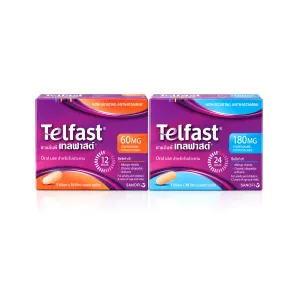 Telfast
Non-drowsy antihistamine for daily allergy relief
✓ In stockFrom 135.00 ฿(฿13.5/tablet)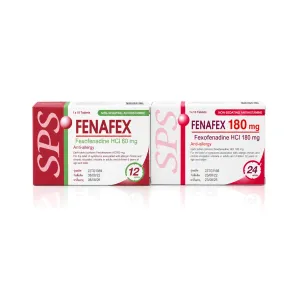 Fenafex
Non-drowsy antihistamine, fast & all-day relief
✓ In stockFrom 39.00 ฿(฿3.9/tablet)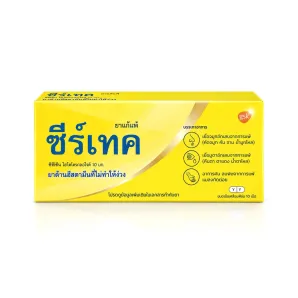 Zyrtec
Original brand cetirizine antihistamine
✓ In stock135.00 ฿(฿13.5/tablet)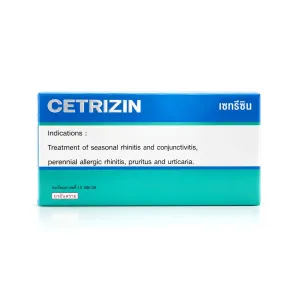 Cetrizin
Generic Cetirizine antihistamine, cost-effective option
✓ In stockFrom 20.00 ฿(฿1.47/tablet)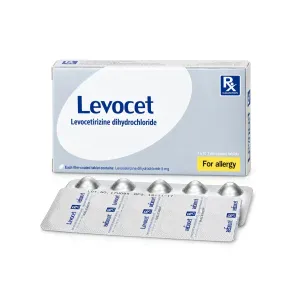 Levocet
Levocetirizine for allergies & hives with less drowsiness
✓ In stock85.00 ฿(฿8.5/tablet)