
Gout Treatment
Gout Treatment / Uric Acid Management
Gout is one of the most painful forms of arthritis — and it's far more common than you might think, especially among men. The good news? An acute flare can be treated quickly and effectively with the right medication. Intimo Life offers gout relief medication to help you get back on your feet.
💊 Colchicine medication for fast relief of acute gout flares — reduces pain and inflammation right where it matters.
👨⚕️ Consult a pharmacist online instantly — no travel, no queues, completely private and convenient.
🚚 Fast, confidential delivery — plain packaging with no product names on the outside, delivered safely to your door.
What should you take for high uric acid?
For high uric acid, long-term uric-acid-lowering medicine paired with lifestyle changes is the main approach, while flare-relief medicine like Colchicine helps during acute attacks. Gout occurs when uric acid builds up in the joints, causing severe inflammatory pain, affecting men three to four times more often than women, especially between ages 30 and 50. A pharmacist should help plan proper treatment.
🛒 Shop the range above · 24-hour dispatch from Intimo Life — consult a pharmacist if unsure.
Gout is a type of inflammatory arthritis caused by excess uric acid in the blood. When levels get too high, uric acid crystallises and deposits in the joints, triggering sudden and severe inflammation.
📊 Key statistics:
- Gout is 3-4 times more common in men than women, especially between the ages of 30 and 50
- The prevalence of gout is rising steadily worldwide, closely linked to modern dietary habits and lifestyle
- Not everyone with high uric acid (hyperuricemia) develops gout, but the longer levels remain elevated, the greater the risk
💊 Gout medications fall into 2 categories: those that treat acute flares (like Colchicine) and those that lower uric acid levels long-term (like Allopurinol, Febuxostat). At Intimo Life, we offer Colchicine for fast relief during acute gout attacks.
⚠️ Effective gout management requires both medication and lifestyle changes. Consult a pharmacist for a treatment plan tailored to your needs.

Available Treatments
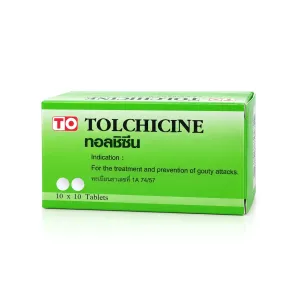 Tolchicine
Fast-acting relief for acute gout flare-ups
✓ In stock250.00 ฿(฿2.5/tablet)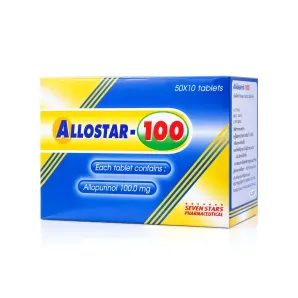 Allostar-100
Blocks uric acid production, prevents long-term gout flares
✓ In stock40.00 ฿
About Gout
What Is Gout? What Causes It?
Gout is a form of inflammatory arthritis caused by too much uric acid in the blood. Uric acid is a natural waste product from the breakdown of purines — substances found in many foods and in the body's own cells. Normally, uric acid is filtered out through the kidneys. But when the body produces too much or the kidneys can't keep up, uric acid builds up in the bloodstream.
Once uric acid reaches a certain level, it crystallises into sharp, needle-like deposits in the joints. The body responds with intense inflammation — and that's a gout flare. Many people describe it as the most severe pain they've ever experienced.
What Does a Gout Flare Feel Like?
Gout flares have distinctive characteristics that are hard to miss.
🔴 Typical symptoms — Sudden, intense joint pain, often striking at night or early morning / the affected joint becomes swollen, red, hot, and so tender you can barely touch it / most commonly affects the big toe joint (called Podagra), but can also hit the ankle, knee, wrist, or fingers / pain peaks within 12-24 hours / without treatment, a flare typically resolves on its own within 7-14 days, but the pain is severe throughout
⚠️ Chronic gout — If uric acid isn't controlled, crystals continue to accumulate. Flares become more frequent and affect multiple joints. Hard lumps called tophi may form around joints or under the skin, and permanent joint damage can result.
High Uric Acid vs Gout — What's the Difference?
Many people confuse these two terms. They're related but not the same thing.
High uric acid (Hyperuricemia) — A condition where blood uric acid levels exceed normal range (above 7 mg/dL in men, 6 mg/dL in women). Not everyone with high uric acid develops gout — some never experience any symptoms at all.
Gout — When uric acid levels are high enough for crystals to deposit in joints, causing severe inflammatory attacks. It's essentially the "consequence" of unmanaged high uric acid.
This is why managing uric acid levels early — even before gout develops — is so important for prevention.
What Makes Uric Acid Rise?
Several factors contribute to elevated uric acid.
🍖 Diet — Red meat, organ meats, and certain seafood (shrimp, shellfish, sardines) are high in purines, which the body converts into uric acid.
🍺 Alcohol — Beer is particularly bad because it's both high in purines and impairs the kidneys' ability to excrete uric acid. It's one of the top risk factors.
🥤 High-fructose drinks — Soft drinks and concentrated fruit juices increase uric acid production.
⚖️ Being overweight — More body mass means more uric acid production and reduced kidney excretion.
💊 Certain medications — Diuretics and low-dose aspirin can raise uric acid levels.
🧬 Genetics — Some people are genetically predisposed to poor uric acid excretion by the kidneys.
🩺 Other health conditions — Kidney disease, high blood pressure, type 2 diabetes, and high cholesterol are all associated with elevated uric acid.
How Does Colchicine Treat Acute Gout?
Colchicine has been used to treat gout for centuries — originally extracted from the Autumn Crocus plant. It works by blocking white blood cells from migrating to the area where uric acid crystals have deposited, which rapidly reduces the inflammatory response.
At Intimo Life, we offer Tolchicine — a Colchicine medication that provides fast relief during acute gout flares, effectively reducing pain and inflammation.
Important to understand: Colchicine treats acute gout flares only. It does not lower uric acid levels in the blood. For long-term uric acid reduction and flare prevention, a separate uric acid-lowering medication (such as Allopurinol) is needed. Consult a doctor or pharmacist for a complete treatment plan.
How to Take Colchicine for Best Results
The key to Colchicine is taking it as early as possible once symptoms begin. The sooner you start, the better it works. Waiting until the joint is already severely swollen reduces its effectiveness.
Recommended approach (low-dose regimen) — Start with 1 mg (2 tablets) at the first sign of symptoms, followed by 0.5 mg (1 tablet) one hour later. Maximum 1.5 mg on day one. Then 0.5 mg two to three times daily on subsequent days until the flare resolves.
Exact dosing should be confirmed with a pharmacist, as adjustments may be needed based on your health and other medications.
Important Precautions for Colchicine
Colchicine has a relatively narrow safe dosage range, so careful use is essential.
⚠️ Key warnings — Never exceed the prescribed dose, as overdose can be dangerous / do not combine with certain drugs that inhibit Colchicine metabolism (such as Clarithromycin, Ketoconazole), as this can cause toxic levels / use with caution in people with kidney or liver disease
Common side effects — Diarrhoea, nausea, vomiting, abdominal pain. These are signs you may be taking too much — reduce the dose or stop and consult a pharmacist.
Serious side effects (rare) — Numbness or tingling in hands and feet, muscle weakness. Stop the medication and seek medical attention immediately.
Acute Gout Medication vs Uric Acid-Lowering Medication — What's the Difference?
This is a common point of confusion, so it's worth clarifying.
Acute gout medication (e.g. Colchicine, NSAIDs) — Used during a gout flare to reduce pain and inflammation. Works quickly, used short-term. Does not lower uric acid levels.
Uric acid-lowering medication (e.g. Allopurinol, Febuxostat) — Taken daily on an ongoing basis to reduce blood uric acid levels. Prevents crystal accumulation and reduces flare frequency over time. Does not relieve pain during an active flare.
The best gout management uses both: daily uric acid-lowering medication to keep levels in check, plus Colchicine kept on hand for when a flare hits.
What to Eat and Avoid with Gout
Dietary adjustments can meaningfully reduce uric acid levels and flare frequency.
❌ Foods to limit (high purines) — Organ meats (liver, kidney, brain) / large amounts of red meat / certain seafood (shrimp, shellfish, sardines, anchovies) / beer and spirits / soft drinks and high-fructose beverages
✅ Foods that help — All vegetables (even higher-purine vegetables like spinach and asparagus — newer research shows they don't worsen gout) / fruits, especially cherries, which studies suggest may reduce flares / low-fat milk and dairy products / whole grains / plenty of water
How to Manage an Acute Gout Flare at Home
Beyond taking medication, these steps can help during a flare.
🧊 Ice the joint — Apply an ice pack wrapped in a cloth for 15-20 minutes at a time to reduce swelling and pain.
🦶 Elevate the affected joint — Raise the foot or joint above heart level to help reduce swelling.
💧 Drink plenty of water — Helps flush uric acid through the kidneys.
🚫 Avoid alcohol completely — Especially beer. No exceptions during a flare.
😌 Rest the joint — Don't try to push through the pain. Avoid pressure on the joint — even bedsheets can cause discomfort.
⚠️ Disclaimer
The information on this page is for general informational purposes only and is not intended to replace professional medical advice, diagnosis, or treatment from a qualified doctor or pharmacist. If you have any questions about your symptoms or medication, always consult a doctor or pharmacist first.
References
- Feldman, H.A. et al. (1994). "Impotence and its medical and psychosocial correlates: results of the Massachusetts Male Aging Study." The Journal of Urology
- Hatzimouratidis, K. et al. (2016). "Guidelines on Male Sexual Dysfunction." European Association of Urology (EAU)
- Eardley, I. et al. (2010). Pharmacotherapy for Erectile Dysfunction
- Thai FDA (สำนักงานคณะกรรมการอาหารและยา)
- Mayo Clinic — Erectile Dysfunction: Symptoms and Causes
Frequently Asked Questions
Gout can't be permanently cured, but it can be very well controlled. With consistent uric acid-lowering medication and lifestyle management, crystals gradually dissolve, and flares may stop entirely. However, ongoing treatment and self-care are essential.
If you've never had a gout flare, medication usually isn't needed yet. Focus on dietary changes and staying hydrated, and monitor your uric acid levels regularly. If levels are very high or you have other health conditions, consult a doctor.
Colchicine or NSAIDs (such as Naproxen or Indomethacin) are recommended. Never take aspirin — low-dose aspirin actually raises uric acid levels and can make things worse. Always consult a pharmacist before choosing.
No. Starting uric acid-lowering medication during an active flare can actually make symptoms worse. Wait 2-4 weeks after the flare resolves before starting. However, if you're already taking it, don't stop.
Yes. Chronically elevated uric acid can lead to kidney stones or kidney damage over time. Conversely, impaired kidney function reduces uric acid excretion, creating a cycle that needs to be managed on both fronts.
Beer is the worst because it's both high in purines and impairs uric acid excretion. Spirits are the next highest risk. Some research suggests moderate red wine (1-2 glasses) may not significantly increase risk. However, during a flare, all alcohol should be completely avoided.
Recently viewed products