You can manage your health with confidence. Diabetes management aims to control blood glucose levels within a safe range by combining lifestyle adjustments with appropriate diabetes or blood sugar-lowering medications tailored to your physical condition. This helps reduce the risk of complications and maintains a high quality of life.
✔️ Comprehensive Treatment Options
There are various options including lifestyle modifications and medications such as oral metformin, insulin secretagogues, GLP-1 agonists, or insulin therapy for those who need it. All treatments should be initiated under medical supervision to set appropriate blood sugar control goals.
🚚 Fast, Safe, and Private Delivery
Our prescription service offers discreet, fast delivery while maintaining your privacy, along with usage guidance to help you start treatment with confidence.
Type 2 diabetes happens when the body becomes resistant to insulin or can't produce enough of it, raising blood sugar above normal levels. Treatment mainly combines dietary changes with blood sugar-lowering medication as prescribed by a doctor. It suits people already diagnosed who need long-term blood sugar control, and regular monitoring plus a doctor's guidance are needed before adjusting any dose.
🛒 Shop the range above · 24-hour dispatch from Intimo Life — consult a pharmacist if unsure.
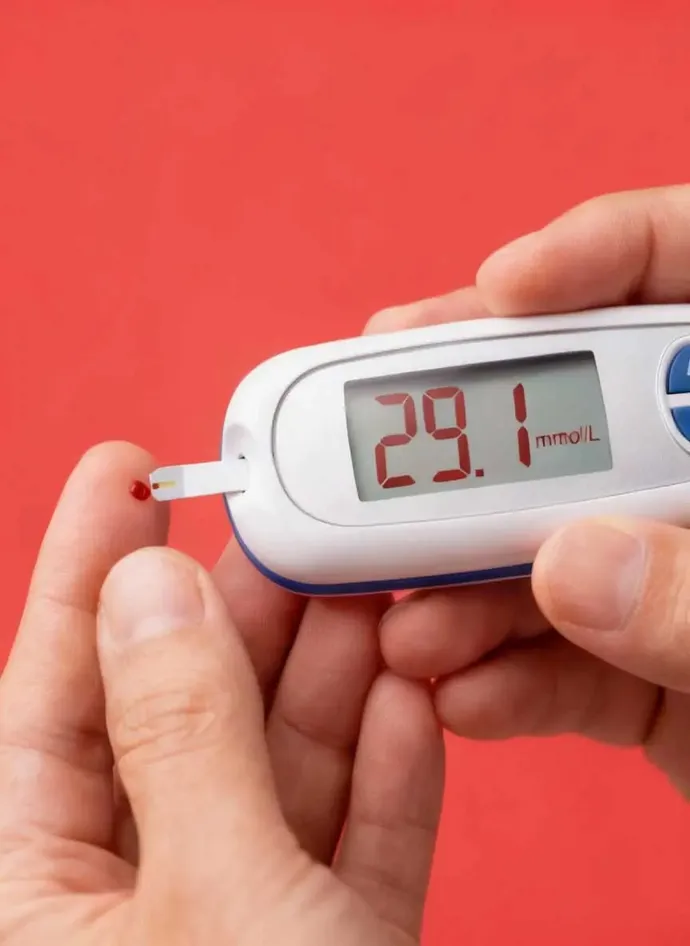
Type 2 diabetes occurs when your body becomes resistant to insulin or your pancreas can't produce enough, causing blood sugar levels to rise. Key risk factors include genetics, excess weight, and lifestyle habits.
Common symptoms include frequent urination (especially at night), excessive thirst, fatigue, and slow-healing wounds. Without proper control, it can lead to serious complications like heart disease, kidney problems, and nerve damage.
Treatment focuses on lifestyle changes combined with blood sugar-lowering medications to keep glucose levels in check and prevent long-term organ damage.
Type 2 diabetes is a health condition related to the body's management of sugar. Sugar is broken down in the stomach and enters the bloodstream. The hormone insulin is produced to store excess sugar for later use.
Type 2 diabetes:
Usually occurs when the body does not respond properly to insulin, causing high blood sugar levels that can damage vital organs such as the heart, kidneys, eyes, and blood vessels.
Often associated with being overweight or lack of exercise.
It is a chronic condition that typically worsens over time. In the early stages, it can be managed with diet, exercise, and medications such as metformin.
Usually develops in middle age, with risk increasing significantly after age 40. However, due to rising obesity rates in children, it is increasingly seen in younger people.
Early stages may have no symptoms. If undiagnosed for more than 5 years, the risk of complications affecting the eyes, feet, hands, kidneys, and heart increases, which is why screening is very important.
Am I Showing Symptoms of Type 2 Diabetes?
The most common early symptoms of type 2 diabetes include:
Increased thirst (frequent thirst)
Frequent urination
Feeling hungry even after eating
Dry mouth
Unexplained weight loss
Frequent infections, such as vaginal yeast infections or urinary tract infections (UTIs)
Cuts or wounds that take longer than usual to heal
Feeling tired or fatigued
Headaches
Vision problems, such as blurred eyesight
Urine with an unusual sweet smell
If you experience several of these symptoms together, you should consult a doctor to check your blood sugar levels and determine whether you need blood sugar-lowering medication or other treatments.
Causes of Type 2 Diabetes
Type 2 diabetes can affect anyone, but it is most commonly found in people over 40 years old. Other risk factors that may increase the likelihood of developing type 2 diabetes include:
Ethnic groups such as African-African, South Asian, or African-Caribbean, where diabetes may develop earlier than in other groups.
Having a first-degree relative, such as a sibling or parent, with diabetes increases the risk by up to six times.
Having high blood pressure.
Being overweight or obese, especially with fat accumulation around the waist.
Smoking and alcohol consumption.
Being aware of and managing these risk factors can effectively reduce the chance of developing type 2 diabetes.
Side Effects of Diabetes Treatment (Metformin)
All medications may cause side effects. Metformin, a commonly used drug for type 2 diabetes, may cause the following symptoms:
Gastrointestinal issues such as bloating, abdominal pain, heartburn, diarrhea, vomiting, nausea, belching, or constipation
Headache
Weight loss
Metallic taste in the mouth
If you experience side effects or discomfort, you should consult your primary care doctor. They can advise you on how to manage symptoms or consider alternative treatments if necessary.
Dispatched within 24 hrs
Order today for fast delivery. No long waits—ready to ship locally.
100% Authentic
Handpicked authentic products with certified standards.
Discreet Shipping
Plain packaging, no product names. Your privacy is our priority.

 Glucophage XR
 Metformin
 Glucophage
 Glucophage 850 mg