

High Cholesterol
High Cholesterol Treatment — Lower LDL Cholesterol
High cholesterol — especially high LDL cholesterol — is a silent threat that dramatically increases your risk of heart disease and stroke. Many people have no idea their levels are elevated until they get a blood test. Intimo Life offers proven statin medication to effectively lower LDL cholesterol and protect your cardiovascular health.
💊 Simvastatin cholesterol-lowering medication in multiple brands — reduces LDL cholesterol and helps prevent heart disease and stroke.
👨⚕️ Consult a pharmacist online instantly — no travel, no queues, completely private and convenient.
🚚 Fast, confidential delivery — plain packaging with no product names on the outside, delivered safely to your door.
How high does cholesterol need to be before taking medication?
There's no fixed cholesterol number that triggers medication — it depends on each person's combined heart disease risk factors. High cholesterol, especially elevated LDL, is a major risk factor for heart and stroke disease. Statin medicine like Simvastatin lowers LDL by 25 to 50 percent while raising HDL and reducing triglycerides. A doctor or pharmacist should assess this alongside diet and exercise changes.
🛒 Shop the range above · 24-hour dispatch from Intimo Life — consult a pharmacist if unsure.
High cholesterol (Dyslipidemia) is one of the primary risk factors for cardiovascular disease and stroke — leading causes of death worldwide.
📊 Key statistics:
- Over 30% of Thai adults aged 15+ have abnormal blood lipid levels
- LDL Cholesterol (the "bad" cholesterol) is the single most important risk factor for coronary heart disease
- Statin medications can reduce LDL Cholesterol by 25-50% and significantly lower heart disease risk
💊 The cholesterol medication available at Intimo Life is Simvastatin, a widely-used statin that lowers LDL Cholesterol, raises HDL Cholesterol (the "good" cholesterol), and reduces Triglycerides.
⚠️ Cholesterol medication must be taken consistently every day, combined with dietary changes and exercise for best results.

Available Treatments
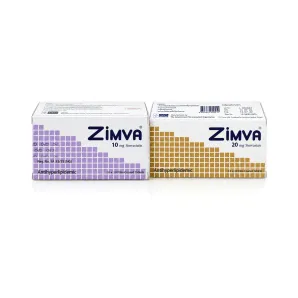
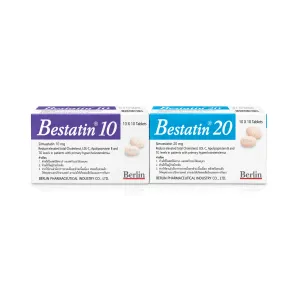
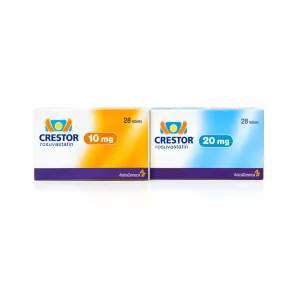
About High Cholesterol Treatment
What Is High Cholesterol?
Dyslipidemia is a condition where blood lipid levels are abnormal — either high cholesterol, high triglycerides, or both.
There are four key blood lipids to understand.
🔴 LDL Cholesterol (Low-Density Lipoprotein) — The "bad" cholesterol. When elevated, it deposits on artery walls, gradually narrowing them. This is the number one target for treatment.
🟢 HDL Cholesterol (High-Density Lipoprotein) — The "good" cholesterol. It transports cholesterol away from arteries back to the liver for removal. Higher is better.
🟡 Triglycerides — Another type of blood fat. Elevated levels increase heart disease and pancreatitis risk.
📊 Total Cholesterol — The sum of all cholesterol types. Normal is below 200 mg/dL.
What Cholesterol Levels Are Considered High?
📏 General guidelines
- LDL Cholesterol — Below 130 mg/dL (good) / 130-159 (borderline high) / 160-189 (high) / 190+ (very high)
- HDL Cholesterol — Above 40 mg/dL in men / above 50 mg/dL in women (higher is better)
- Triglycerides — Below 150 mg/dL (normal) / 150-199 (borderline) / 200+ (high)
- Total Cholesterol — Below 200 mg/dL (normal) / 200-239 (borderline) / 240+ (high)
⚠️ For people with heart disease, diabetes, or multiple risk factors, LDL targets are much lower (potentially below 70 mg/dL). Consult your doctor.
Why Is High Cholesterol Dangerous?
When LDL Cholesterol remains elevated over time, it gradually deposits on artery walls, forming "plaques." This narrows arteries progressively — a process called Atherosclerosis.
❤️ Coronary heart disease — Narrowed heart arteries cause chest pain (angina) or sudden heart attack.
🧠 Stroke — Blocked or ruptured brain arteries cause brain damage, paralysis, or death.
🦵 Peripheral artery disease — Narrowed leg arteries cause pain when walking.
The dangerous part is that this process happens silently — no symptoms at all until arteries are severely blocked. Regular blood tests are the only way to catch it early.
What Causes High Cholesterol?
🍖 Diet — Saturated fats (fatty meats, butter, cheese, coconut milk, fried foods) and trans fats (baked goods, margarine, processed foods) directly raise LDL Cholesterol.
🧬 Genetics — Some people are genetically predisposed to overproduce cholesterol or remove it poorly (Familial Hypercholesterolemia). These individuals have very high LDL from a young age, even with a healthy diet.
⚖️ Being overweight — Particularly abdominal fat, which raises LDL and Triglycerides while lowering HDL.
🚶 Lack of exercise — Exercise boosts HDL (good cholesterol). Inactivity leads to low HDL.
🩺 Other conditions — Diabetes, thyroid disorders, kidney disease, liver disease, and high blood pressure all affect blood lipids.
How Does Simvastatin Work?
Simvastatin is a statin — the most effective class of cholesterol-lowering drugs. It works by inhibiting the enzyme HMG-CoA reductase, which is key to cholesterol production in the liver. When the liver produces less cholesterol, it pulls LDL Cholesterol from the bloodstream instead, lowering blood levels.
At Intimo Life, we offer two Simvastatin brands:
How to Take Simvastatin
💊 Dosing — Take one tablet daily at bedtime, because the body produces the most cholesterol overnight. Taking it before bed ensures the medication works during peak production.
📅 Timeline — Take consistently. Blood test improvements typically appear within 4-6 weeks. Ongoing use is needed to maintain levels.
⚠️ Important — Do not take with grapefruit juice, as this increases drug levels and may cause side effects / never stop on your own, even if blood results improve
Side Effects of Simvastatin
Simvastatin has a very strong safety profile. Most users experience no side effects at all.
Possible side effects — Muscle pain or tiredness (occurs in about 5-10%, usually mild) / nausea, bloating, diarrhoea / headache
Serious side effects (very rare) — Rhabdomyolysis (severe muscle breakdown) — intense muscle pain, weakness, dark tea-coloured urine. Stop immediately and seek medical attention / liver inflammation (rare; periodic liver function tests are recommended)
If you experience mild muscle discomfort, consult a pharmacist — dose adjustment or switching medication may help.
Do I Have to Take Cholesterol Medication Forever?
In most cases, yes — ongoing use is needed. Statins "control" cholesterol levels; they don't "cure" the underlying condition. If you stop, LDL Cholesterol returns to its previous high level within 2-4 weeks as the liver resumes normal production.
However, some people who achieve significant lifestyle improvements (weight loss, exercise, dietary changes) may be able to reduce their dose under medical supervision. Never stop on your own.
Lowering Cholesterol Beyond Medication
Dietary and lifestyle changes can reduce cholesterol by 10-20%, significantly complementing medication.
🥑 Foods that lower cholesterol — Healthy fats from avocados, nuts, olive oil, and oily fish / high-fibre foods (oats, beans, vegetables, fruits) help remove cholesterol from the body / soy protein
❌ Foods to reduce — Saturated fats (fatty meat, chicken skin, coconut milk, butter) / trans fats (baked goods, margarine, re-used frying oil) / processed foods
🏃 Regular exercise — At least 150 minutes per week. Boosts HDL Cholesterol and lowers Triglycerides.
⚖️ Lose weight — A 5-10% weight reduction meaningfully improves lipid levels.
🚭 Quit smoking — Smoking lowers HDL and accelerates artery damage.
How Does High Cholesterol Relate to Other Conditions?
High cholesterol often co-occurs with other metabolic conditions — together known as "Metabolic Syndrome."
💊 High blood pressure — Frequently accompanies high cholesterol. See our blood pressure medication.
💊 Diabetes — Diabetes disrupts lipid metabolism, particularly raising Triglycerides and lowering HDL. See our diabetes treatment.
💊 Gout — Often co-occurs with metabolic syndrome. See our gout treatment.
Managing all risk factors simultaneously produces better outcomes than addressing them one at a time.
⚠️ Disclaimer
The information on this page is for general informational purposes only and is not intended to replace professional medical advice, diagnosis, or treatment from a qualified doctor or pharmacist. If you have any questions about your symptoms or medication, always consult a doctor or pharmacist first.
References
- Grundy, S.M. et al. (2019). "2018 AHA/ACC Guideline on Management of Blood Cholesterol." Journal of the American College of Cardiology
- Mach, F. et al. (2020). "2019 ESC/EAS Guidelines for Dyslipidaemias." European Heart Journal
- Heart Association of Thailand — Dyslipidaemia Guidelines
- Thai FDA (สำนักงานคณะกรรมการอาหารและยา)
- Mayo Clinic — High Cholesterol
Frequently Asked Questions
No symptoms at all. High cholesterol is a silent condition with no warning signs until complications occur (such as chest pain, heart attack, or stroke). The only way to know is a blood test. Regular testing is recommended, especially if you're over 35 or have risk factors.
Yes. Statins work best when combined with dietary changes. Taking medication while continuing to eat excessive fats is like bailing water out of a boat without plugging the leak.
Because the body produces the most cholesterol overnight. Simvastatin has a relatively short half-life, so taking it at bedtime ensures peak drug activity coincides with peak cholesterol production.
LDL is the "bad" cholesterol that deposits on artery walls, causing narrowing. Lower is better. HDL is the "good" cholesterol that removes cholesterol from arteries. Higher is better. The primary treatment goal is lowering LDL.
Mild muscle discomfort occurs in about 5-10% of users and is usually manageable without stopping. However, if you experience severe muscle pain, weakness, or dark urine, stop the medication and see a doctor immediately. Your pharmacist can adjust the dose or switch medications.
Current research shows that dietary cholesterol (from eggs) has less impact on blood cholesterol than previously thought. Saturated and trans fats are the bigger drivers. Most people can eat 1-2 eggs per day safely. However, if your cholesterol is already very high, consult your doctor.
Recently viewed products