Headache, migraine, cramps, muscle pain, joint pain, toothache, or fever — NSAID pain relievers like Ibuprofen 400mg and Mefenamic Acid (Ponstan) deliver pain relief, fever reduction, and anti-inflammation. Onset 30-60 minutes. Safe for occasional use; avoid on an empty stomach or with stomach, kidney, or heart conditions.
NSAID pain relievers like Ibuprofen and Mefenamic Acid reduce both pain and inflammation, starting to work within 30 to 60 minutes and lasting four to six hours. They suit headaches, migraines, menstrual cramps, muscle aches, joint pain, and fever. Mefenamic Acid is particularly effective for menstrual pain. Take both after meals to reduce stomach effects, and consult a pharmacist if you have existing health conditions.
🛒 Shop the range above · 24-hour dispatch from Intimo Life — consult a pharmacist if unsure.
NSAID pain relievers — Ibuprofen 400mg and Mefenamic Acid (Ponstan) — are among the most-used everyday medications, easing headache, migraine, period cramps, muscle pain, joint pain, toothache, and fever in one tablet.
📊 NSAIDs kick in within 30-60 minutes and last 4-6 hours (Cochrane Database).
📊 Cut menstrual pain by 70-90% vs paracetamol — especially Mefenamic Acid and Ibuprofen.
💊 Ibuprofen 200-400mg every 4-6 hours; Mefenamic Acid 250-500mg every 6-8 hours. Always take with food.
⚠️ For menstrual cramps specifically, see our period pain relief collection.
Medically reviewed by
Supatcheree A., Pharmacist | Sources: NHS UK, Cochrane Database, MIMS
Nurofen brand pain relief from Reckitt, Thai registered
Out of stock
185.00 ฿
(฿18.5/capsule)
About Pain Relievers and Fever Reducers
What Pain Relievers Are Available?
Pain relievers fall into two main groups:
NSAIDs — Ibuprofen, Mefenamic Acid (Ponstan), Aspirin, Naproxen, Diclofenac. Three actions: pain relief, fever reduction, and anti-inflammation, by blocking COX enzymes that make prostaglandins.
Paracetamol/Acetaminophen — eases pain and fever but doesn't reduce inflammation. Gentler on the stomach, safe for young children and pregnancy.
NSAIDs sold over the pharmacy counter in Thailand — Ibuprofen 400mg suits general pain across the board; Ponstan is particularly strong for menstrual cramps. For pain with inflammation, NSAIDs beat paracetamol.
Ibuprofen vs Mefenamic Acid (Ponstan)
Both are NSAIDs with similar mechanisms but different strengths.
Ibuprofen 400mg — broad-spectrum: headache, migraine, muscle pain, joint pain, toothache, fever. 200-400mg every 4-6 hours, max 1,200mg/day.
Mefenamic Acid (Ponstan) — strongest for period pain, cutting uterine prostaglandins powerfully. 250-500mg every 6-8 hours, max 1,500mg/day. Onset ~30 min.
For severe menstrual cramps, Ponstan often beats Ibuprofen. For general pain, headache, or fever, Ibuprofen wins. Both contraindicated in NSAID allergy, stomach/kidney/heart disease, and third-trimester pregnancy.
What Conditions Do NSAIDs Treat?
NSAIDs cover most everyday pain and fever cases.
Headache, migraine — Ibuprofen works for both tension and acute migraine.
Period cramps — Mefenamic Acid and Ibuprofen reduce uterine contractions.
Muscle, back pain — office strain, post-workout soreness.
Joint pain, osteoarthritis — for occasional flare-ups.
Toothache, gum inflammation — eases both pain and swelling.
Fever from cold or flu — Ibuprofen works well for adults.
Aspirin or NSAID allergy — including aspirin-induced asthma.
Children under 6 months — use paracetamol; Ponstan is for ages 14+ only.
People on warfarin or blood thinners — bleeding risk.
If you're in any of these groups, always check with a pharmacist or doctor first.
Storage and Buying Safely
Both Ibuprofen and Mefenamic Acid are sold over the pharmacy counter in Thailand — buy from trusted sources.
Store below 30°C, away from sun and moisture.
Check the expiry date every time.
Keep in original packaging to prevent moisture.
Keep out of children's reach — NSAID overdose in kids is dangerous.
Buy from licensed pharmacies with Thai FDA registration. Avoid unofficial channels.
Intimo Life stocks only Thai FDA-registered drugs — Ibuprofen 400mg (Ibrofen, Gofen) and Mefenamic Acid (Ponstan) — with fast delivery and a pharmacist on hand. Buy pain relievers online at Intimo Life — safe, nationwide.
⚠️ Disclaimer
The information on this page is for general informational purposes only and is not intended to replace professional medical advice, diagnosis, or treatment from a qualified doctor or pharmacist. If you have any questions about your symptoms or medication, always consult a doctor or pharmacist first.
Mefenamic Acid (Ponstan) 250-500mg and Ibuprofen 400mg are the top two — both cut uterine prostaglandins that trigger cramping. Take one tablet at the first sign of cramps, after food. Ibuprofen every 6-8 hours; Ponstan every 6-8 hours (load 500mg first). Ponstan often beats Ibuprofen for severe cramps. If pain is unusual, see a doctor.
Both are NSAIDs that reduce pain and inflammation, but Ponstan cuts uterine prostaglandins more aggressively — stronger for menstrual cramps. Ibuprofen is broader: headaches, toothache, muscle pain, fever. Ponstan causes diarrhea more often. Daily max: Ibuprofen 1,200mg, Ponstan 1,500mg. Both contraindicated in 3rd-trimester pregnancy and ulcers.
No — don't take NSAIDs (Ibuprofen, Ponstan) for more than 7-10 days for pain or 3 days for fever. Long-term use raises the risk of stomach ulcers, GI bleeding, kidney damage, and high blood pressure. For chronic pain, see a doctor to find the cause and proper treatment, rather than self-managing with NSAIDs.
Avoid both Ibuprofen and Ponstan in the first and second trimesters — use only when prescribed. Never in the third trimester, as NSAIDs can prematurely close the fetal ductus arteriosus. Paracetamol at the lowest effective dose is the safer option. Always check with a doctor first.
No. Both Ibuprofen and Ponstan irritate the stomach lining directly — taking them on an empty stomach raises ulcer, heartburn, and bleeding risk. Always take with or after food, with a full glass of water. If you start getting frequent stomach pain, ask a pharmacist about switching to Paracetamol.
Both kick in within 30-60 minutes — Ponstan slightly faster (~30 min). Ibuprofen peaks at 1-2 hours, lasts 4-6 hours; Ponstan lasts 6-8 hours. If you don't feel better after an hour, don't take more — wait for the next scheduled dose. For slow-responding pain, ask a pharmacist about alternating with Paracetamol.
Yes — they work through different mechanisms (NSAIDs cut prostaglandins, Paracetamol acts centrally), so combining is safe. Many people alternate Ibuprofen 400mg or Ponstan 250mg with Paracetamol 500mg every 3-4 hours for severe pain or high fever. Never combine two NSAIDs (Ibuprofen + Ponstan). Daily max — Paracetamol 4,000mg, Ibuprofen 1,200mg, Ponstan 1,500mg.
Store below 30°C, away from sunlight and moisture. Avoid the bathroom or kitchen — humidity and heat break down active ingredients. Keep in original packaging and check the expiry date every time. Expired or discolored tablets may not work safely. Store in a closed cabinet, out of children's reach. Ibuprofen and Mefenamic Acid last 2-3 years when stored properly.



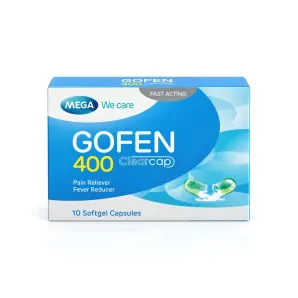 Gofen
Gofen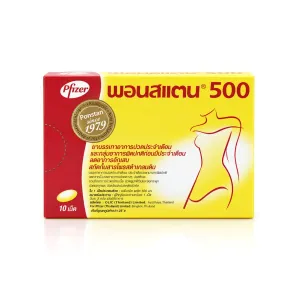 Ponstan
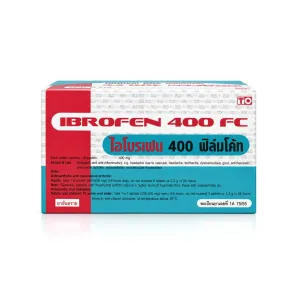 Ibrofen 400 FC
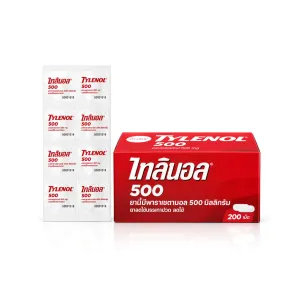 Tylenol
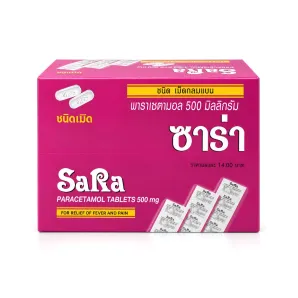 Sara
Sara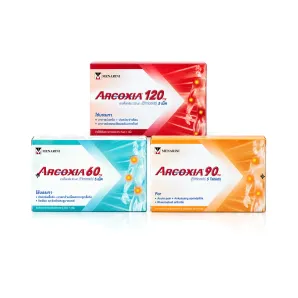 Arcoxia
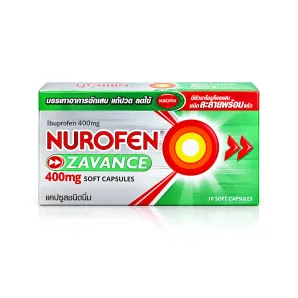 Nurofen Zavance


