Period Pain Relief — Effective Treatment for Menstrual Cramps
Period pain is something nearly every woman experiences monthly. For many, the cramps are severe enough to miss work or school. The right period pain medication targets the root cause and provides real relief. Intimo Life offers proven NSAIDs — the most effective medication class for menstrual cramps.
💊 NSAIDs for period pain — including Ibuprofen and Mefenamic Acid. The most effective medication class for menstrual cramps, targeting the root cause.
👨⚕️ Consult a pharmacist online instantly — no travel, no queues, completely private and convenient.
🚚 Fast, confidential delivery — plain packaging with no product names on the outside, delivered safely to your door.
Which medication is best for menstrual pain relief?
Menstrual pain is common among women of reproductive age — over 80% experience it, some severely enough to disrupt daily life. NSAIDs are the first-choice option since they target the pain's cause directly. Ibuprofen is easy to find and works well, while Mefenamic Acid is equally targeted and familiar to Thai women. Take it as soon as pain begins or 1-2 days before your period.
🛒 Shop the range above · 24-hour dispatch from Intimo Life — consult a pharmacist if unsure.
Period pain (Dysmenorrhea) is the most common gynaecological complaint in women of reproductive age. Many women accept it as normal, but effective treatment is readily available.
📊 Key statistics:
Over 80% of women experience period pain, with 5-10% suffering severely enough to disrupt daily life
Period pain is the number one cause of school and work absences among women
NSAIDs (such as Ibuprofen and Mefenamic Acid) are recommended as first-line treatment because they directly target the cause of menstrual cramps
💊 Period pain medication available at Intimo Life:
Ibuprofen — Anti-inflammatory painkiller, effective for period pain with broad coverage
Mefenamic Acid (Ponstan) — A classic period pain specialist, particularly effective against menstrual cramps
⚠️ Period pain medication works best when taken early — at the first sign of pain or even 1-2 days before your period starts. Don't wait until pain is severe.
Medically reviewed by
Supatcheree A., Pharmacist | Sources: NHS, Mayo Clinic, WHO, PubMed
Period pain (Dysmenorrhea) occurs because the uterus contracts to shed its lining during menstruation. These contractions are triggered by Prostaglandins — the more Prostaglandin your body produces, the more intense the cramps.
Period pain comes in two types:
🔴 Primary Dysmenorrhea — Most common. No underlying disease. Caused by high Prostaglandin levels. Usually begins in adolescence shortly after the first period. Pain concentrated in the first 1-3 days.
🟡 Secondary Dysmenorrhea — Caused by an underlying condition such as Endometriosis, uterine fibroids, or ovarian cysts. Often develops or worsens later in life. Pain may last longer than typical.
What Does Period Pain Feel Like?
Period pain involves more than just abdominal cramps.
🩸 Core symptoms — Cramping, squeezing pain in the lower abdomen / pain radiating to the lower back and thighs / usually begins just before or on the first day of menstruation / worst during the first 1-2 days
😫 Associated symptoms — Nausea and vomiting / diarrhoea or constipation / headache / fatigue and weakness / mood swings and irritability / bloating and water retention
Comparing Period Pain Medications
At Intimo Life, we offer 3 products across 2 drug classes. All are NSAIDs that directly reduce Prostaglandin production.
Same active ingredient as Gofen (Ibuprofen), different brand
All-in-one pain relief, fever reduction, and anti-inflammatory action
How to Take Period Pain Medication for Best Results
The key principle: take it early — don't wait until pain is severe.
⏰ Take at the first sign of pain — NSAIDs work best before Prostaglandin levels build up. Waiting until pain is intense means more Prostaglandin has already been produced, reducing the medication's effectiveness.
💡 Pro tip: take it preventively — If you know when your period is due, start NSAIDs 1-2 days before. This suppresses Prostaglandin production from the start, significantly reducing cramps.
💊 Take after food — NSAIDs can irritate the stomach. Taking them after meals reduces this risk.
📅 Take on schedule — Every 6-8 hours consistently for the first 2-3 painful days. Don't wait for pain to return before taking the next dose.
Ponstan vs Ibuprofen — Which Should I Choose?
Both are NSAIDs that work well for period pain, but have different strengths.
Ponstan (Mefenamic Acid) — Particularly strong at reducing Prostaglandin, making it a specialist choice for period pain / the go-to choice in Thailand for menstrual cramps
Gofen / Ibrofen (Ibuprofen) — More versatile, covering period pain plus headaches, fever, and muscle pain / fast-acting / extensive clinical evidence
Bottom line: Period pain only → Ponstan is the classic choice / Period pain with headache, body aches, or fever → Ibuprofen covers more ground
Side Effects
NSAIDs have a strong safety profile when used correctly, but there are precautions.
Common side effects — Stomach irritation, nausea, upper abdominal pain (reduced by taking after food) / diarrhoea (more common with Mefenamic Acid)
Contraindications — Active stomach ulcers or severe acid reflux / allergy to NSAIDs or aspirin / severe kidney, liver, or heart problems / taking blood thinners
Precautions — Don't take continuously for more than 5-7 days / if you have acid reflux, consult a pharmacist — you may need to take an antacid alongside
Why Doesn't Paracetamol Work Well for Period Pain?
Many women wonder why paracetamol doesn't help their cramps.
The reason is that paracetamol works in the brain to reduce pain perception but doesn't reduce Prostaglandin — the actual cause of period cramps. NSAIDs (Ibuprofen, Mefenamic Acid) directly reduce Prostaglandin production, making them far more effective for this specific type of pain.
However, paracetamol can be taken alongside NSAIDs (they're different drug classes and don't overlap) for enhanced pain relief. See our general painkillers collection.
Beyond Medication — Other Ways to Ease Period Pain
Several approaches complement period pain medication effectively.
🔥 Heat therapy — Apply a hot water bottle or heating pad to the lower abdomen for 15-20 minutes. Research shows heat therapy can be as effective as Ibuprofen for menstrual cramps.
🏃 Light exercise — Brisk walking, yoga, and gentle stretching help the body release endorphins, providing natural pain relief. Exercising during your period is safe and beneficial.
🧘 Relaxation — Deep breathing, resting in the foetal position. Stress worsens period pain.
💊 Contraceptive pills — Hormonal contraceptives reduce Prostaglandin production, significantly reducing period pain and flow. Ideal for women with severe monthly cramps who also want contraception.
When Is Period Pain Not Normal?
Most period pain is normal, but certain signs may indicate an underlying condition.
🚨 See a doctor if — Pain is worsening progressively each month and medication isn't helping / severe pain first appearing after age 25 (when you never had bad cramps before) / pain lasting beyond 3 days or occurring outside your period / extremely heavy bleeding requiring pad changes every hour / pain during sex / difficulty getting pregnant
These may indicate Endometriosis, uterine fibroids, or other conditions requiring medical evaluation.
Can Period Pain Medication Be Taken with Other Drugs?
⚠️ Caution needed — Never take 2 NSAIDs together (e.g. Ponstan + Ibuprofen — increases stomach irritation risk without added benefit) / caution with blood thinners / blood pressure medication may be slightly less effective when combined with NSAIDs — consult a pharmacist
⚠️ Disclaimer
The information on this page is for general informational purposes only and is not intended to replace professional medical advice, diagnosis, or treatment from a qualified doctor or pharmacist. If you have any questions about your symptoms or medication, always consult a doctor or pharmacist first.
Mild to moderate cramps in the first 1-3 days are normal, caused by the uterus contracting. However, if pain is severe enough to prevent normal activity, medication doesn't help, or pain is getting worse each month, see a doctor to rule out underlying conditions.
Paracetamol doesn't reduce Prostaglandin — the chemical that causes uterine cramping. NSAIDs (Ponstan, Ibuprofen) directly reduce Prostaglandin, making them far more effective. You can take paracetamol alongside NSAIDs for enhanced relief.
Yes, and it's recommended. Starting NSAIDs 1-2 days before your period suppresses Prostaglandin production early, significantly reducing cramps. This is one of the most effective strategies for period pain management.
No. Both are NSAIDs — taking them together increases stomach irritation risk without additional pain relief benefit. Choose one. If you need extra relief, add paracetamol instead.
Yes. Hormonal contraceptives reduce Prostaglandin production, resulting in less uterine cramping and lighter periods. They're an excellent option for women with severe monthly cramps who also want contraception. See our contraceptive pill collection for options.
Yes. Research shows that applying heat to the lower abdomen (approximately 40°C) can relieve menstrual cramps as effectively as Ibuprofen. Using heat alongside medication gives the best results.
Dispatched within 24 hrs
Order today for fast delivery. No long waits—ready to ship locally.
100% Authentic
Handpicked authentic products with certified standards.
Discreet Shipping
Plain packaging, no product names. Your privacy is our priority.
Worldwide Shipping
Discreet worldwide shipping via Thailand Post
Sign Up and Get 10% Off your first purchase.
Become a member of our store to receive news and exclusive discounts.



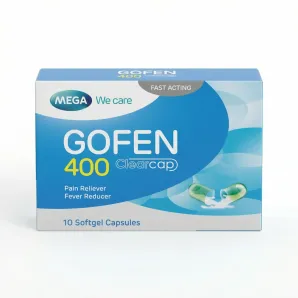 Gofen
Gofen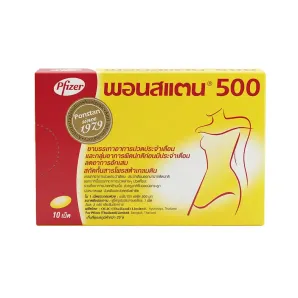 Ponstan
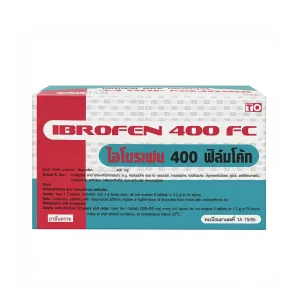 Ibrofen 400 FC
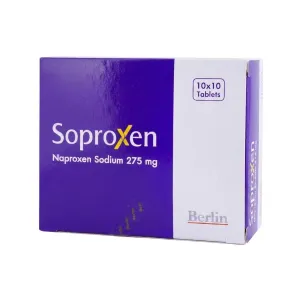 Soproxen