Women get cystitis up to 30 times more often than men, according to Mayo Clinic. The main reason comes down to anatomical differences.
A shorter urethra — a woman's urethra is only about 4 cm long, compared with roughly 20 cm in men. That shorter distance makes it far easier for bacteria (especially E. coli) to travel from outside the body into the bladder.
Anatomical position — the opening of the urethra sits close to the vagina and anus, both natural sources of bacteria, which raises the odds that bacteria contaminate the urinary tract.
Hormonal changes — oestrogen levels rise and fall across the menstrual cycle, pregnancy and menopause, and this directly affects the environment of the vagina and urinary tract. When oestrogen drops, the urinary tract lining thins and the good vaginal bacteria (Lactobacillus) decline along with it.
UTI statistics in women
Figure
Women who will have at least one episode in their lifetime
50-60%
Recur within 6 months
27%
Women aged 65+ with a UTI
20%
Risk compared with men
More than 30x higher
Risk by life stage
A woman's risk of cystitis is not constant throughout life — it rises and falls with life stage and hormonal change.
Adolescence to reproductive years (15–40)
This is when UTIs are most common, especially in women who have recently become sexually active. Data from NHS lists sex as a leading risk factor in this group, because the friction of intercourse can push bacteria into the urethra.
Other risk factors at this stage:
Certain contraceptive methods (such as spermicide or a diaphragm) that change the vaginal bacterial balance
Holding urine in for long periods
Not drinking enough water
Midlife (40–55)
In the years before menopause (perimenopause), oestrogen starts to decline, causing the vaginal and urinary tract lining to thin. UTI risk starts climbing again as a result.
Menopause (55 and older)
This is the highest-risk stage of all — women aged 65 and over have a UTI rate as high as 20%, according to The epidemiology of urinary tract infection. The main cause is permanently reduced oestrogen, which:
📖 Now you know the causes — want to stop it coming back? Many women recover from cystitis only to get it again. The right prevention habits cut that risk substantially. Read more at How to prevent cystitis from coming back
Cystitis and pregnancy
Pregnancy calls for extra caution, because a UTI is not just uncomfortable for a pregnant woman — it can affect both mother and baby.
Why pregnancy raises the risk
The growing uterus presses on the bladder — urine is not fully emptied, giving bacteria an easy place to grow
Higher progesterone — relaxes the smooth muscle of the ureters and bladder, so urine flows more slowly
More sugar and protein in the urine — an ideal food source for bacteria
Kidney infection (pyelonephritis) — severe enough in some cases to need hospital care
Premature birth
Low birth weight
This is why doctors recommend that pregnant women have regular urine testing even without symptoms — asymptomatic bacteriuria (bacteria in the urine with no symptoms) occurs in 2–10% of pregnant women, and if untreated can progress to kidney infection in 20–30% of cases.
Medicines considered safe in pregnancy: the antibiotics usable during pregnancy are limited — for example amoxicillin, amoxicillin with clavulanic acid, and nitrofurantoin (second trimester only). Ciprofloxacin and TMP-SMX are not recommended. Always check with a doctor or pharmacist first.
Menopause is another stage where a woman's UTI risk clearly rises. The main cause is permanently reduced oestrogen.
How oestrogen affects the urinary tract
Oestrogen plays a key role in keeping the vaginal and urinary tract lining healthy. When oestrogen falls:
The vaginal and urethral lining thins (vaginal atrophy) — making it easier to irritate and giving bacteria a way into the body
Vaginal pH changes — shifting from acidic (pH 3.5–4.5) to more alkaline, which reduces the good bacteria (Lactobacillus) and lets disease-causing bacteria thrive
The pelvic floor weakens — which can lead to bladder prolapse, urine retention, and repeat infection
Vaginal Estrogen Therapy
A Cochrane Review found that topical (vaginal) oestrogen, used as a cream or vaginal pessary, can significantly reduce repeat UTIs in postmenopausal women by helping restore the lining and bring back Lactobacillus.
That said, oestrogen use should always be supervised by a doctor.
Periods, discharge and cystitis — are they related?
Many women wonder whether periods and vaginal discharge are related to cystitis. The answer is: indirectly, yes.
Periods and UTIs
During your period, moisture around the genital area increases, which creates an environment bacteria favour
Using tampons may slightly raise the risk if they are not changed often enough
The drop in oestrogen just before your period can temporarily weaken the urinary tract lining
Discharge and UTIs
Normal discharge does not cause UTIs, but abnormal discharge (changed colour, odour, or itching) can be a sign of bacterial vaginosis, which is itself a UTI risk factor because it upsets the vagina's bacterial balance.
What to watch for:
Grey or yellow-green discharge with a fishy odour → may be bacterial vaginosis → raises UTI risk
Normal discharge (clear to milky white, no odour) → not related to UTIs
If you have abnormal discharge together with burning urination, see a doctor or pharmacist so both conditions can be treated together.
Many women say their first cystitis episode came right after they became sexually active, without realising the connection at first. Some had repeat episodes that left them discouraged — but once they changed a few habits, such as urinating after sex, drinking more water, and dropping scented intimate soap, symptoms improved noticeably.
Among menopausal women, many report that after seeing a doctor and starting vaginal oestrogen, repeat UTIs dropped substantially.
Frequently Asked Questions
More than 50% of women will have cystitis at least once in their lifetime, and about 27% have a repeat episode within six months.
Yes, it can be if left untreated — it may lead to a kidney infection (pyelonephritis), premature birth, or a low birth-weight baby. See a doctor right away if you are pregnant and have symptoms.
Because oestrogen drops permanently, which thins the urinary tract lining, reduces the good bacteria in the vagina, and shifts its pH — all of which make it easier for disease-causing bacteria to grow.
Not directly — but the extra moisture and the hormonal changes around that time of the month can raise the risk indirectly.
It can be — abnormal discharge may be a sign of bacterial vaginosis, which raises UTI risk because it upsets the normal bacterial balance in the vagina.
Try urinating after every sexual encounter, drink more water, and avoid spermicide. If it keeps happening often, see a doctor about preventive treatment.
Oral contraceptives do not raise the risk directly, but spermicide or a diaphragm can change the bacterial balance in the vagina and increase the risk.
Research shows vaginal oestrogen can reduce repeat UTIs in postmenopausal women, but it should always be used under a doctor's supervision — never bought and started on your own.
⚠️ Disclaimer
The information on this page is for general informational purposes only and is not intended to replace professional medical advice, diagnosis, or treatment from a qualified doctor or pharmacist. If you have any questions about your symptoms or medication, always consult a doctor or pharmacist first.



 Metronidazole
 Vilerm
 Firide
 Gofen
 Annylyn
 Sumigran
 Preme
 Tofago
 B-Ciprofloxacin
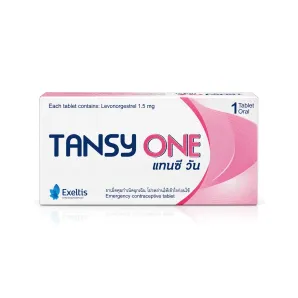 Tansy One
 Enaril
 Nasonex