The morning after pill is a crucial option for preventing unintended pregnancy after unprotected sex, a condom breaking, or missed contraceptive pills. The sooner you take it, the more effective it is. Intimo Life offers emergency contraception in both single-tablet and two-tablet formats.
💊 Emergency contraception with Levonorgestrel — available as a convenient single-tablet dose or a traditional two-tablet course. Effective within 72 hours.
👨⚕️ Consult a pharmacist online instantly — no travel, no queues, completely private and convenient.
🚚 Fast, confidential delivery — plain packaging with no product names on the outside, delivered safely to your door.
The morning-after pill is for emergency use only after sex, not a daily contraceptive and not an abortion drug. Levonorgestrel reduces pregnancy chances by 85 to 95 percent if taken within 24 hours, with effectiveness declining up to 72 hours. It suits anyone who had unprotected sex or a contraception failure. Options include a single complete dose or two tablets taken 12 hours apart.
🛒 Shop the range above · 24-hour dispatch from Intimo Life — consult a pharmacist if unsure.
Emergency contraception (the morning after pill) is a post-intercourse method of pregnancy prevention — not a regular daily contraceptive. It is intended for emergency situations only.
📊 Key facts about emergency contraception:
Levonorgestrel emergency contraception can reduce the chance of pregnancy by up to 85-95% when taken within 24 hours after unprotected sex
Effectiveness decreases over time — it works within a 72-hour (3-day) window
Emergency contraception is not an abortion pill. If pregnancy has already been established, the medication will have no effect
💊 At Intimo Life, we offer two emergency contraception options:
Single-tablet emergency contraception — One pill, full dose, no need for a second tablet
Two-tablet emergency contraception — First tablet immediately, second tablet 12 hours later
⚠️ Emergency contraception should not be used as a regular method of birth control. For ongoing contraception, consult a pharmacist about daily contraceptive pills.
Medically reviewed by
Supatcheree A., Pharmacist | Sources: NHS, Mayo Clinic, WHO, PubMed
2-tablet emergency contraceptive for unplanned pregnancy
Out of stock
60.00 ฿
(฿30/tablet)
About Emergency Contraceptive Pill
What Is Emergency Contraception? How Does It Work?
Emergency contraception (the morning after pill) is a hormonal medication used to prevent pregnancy after unprotected sex or contraceptive failure.
The active ingredient is Levonorgestrel, a synthetic progestin hormone. It works by:
🔬 Mechanism of action — Inhibiting or delaying ovulation, so there is no egg available for fertilisation / thickening cervical mucus, making it harder for sperm to reach the egg
Important to understand: Emergency contraception is not an abortion pill. If an egg has already been fertilised and implanted in the uterus, the medication will have no effect on the existing pregnancy.
Single-Tablet vs Two-Tablet Emergency Contraception — What's the Difference?
At Intimo Life, we offer two formats. Both contain the same active ingredient (Levonorgestrel) at the same total dose.
How to choose: If you prefer single-dose simplicity with no scheduling required, Tansy One is the answer. If you're familiar with the long-established two-tablet routine, Postinor is a name many already know. Both deliver equivalent total Levonorgestrel and equivalent effectiveness per WHO data.
When Does Emergency Contraception Work Best?
⏰ The sooner, the better — this is the most important rule.
📊 Effectiveness by time
Within 24 hours — reduces pregnancy risk by 95%
Within 24-48 hours — reduces pregnancy risk by 85%
Within 48-72 hours — reduces pregnancy risk by 58%
After 72 hours — effectiveness drops significantly; not recommended
Don't wait. Take it as soon as possible — you don't need to wait until morning, and you don't need to take it on an empty stomach. Any time is fine.
Effectiveness Timeline by Time Taken
Levonorgestrel emergency contraception effectiveness decreases with time after unprotected intercourse — sooner is better. The figures below are drawn from studies cited by WHO and NHS.
Time after unprotected sex
Pregnancy prevention rate
Notes
Within 12 hours
~95%
Peak effectiveness window
12-24 hours
~95%
Still high effectiveness
24-48 hours
~85%
Effectiveness starts dropping
48-72 hours
~58%
Significant decline in effectiveness
72-120 hours
Levonorgestrel not recommended
Switch to Ulipristal acetate (ella) — prescription only
Key fact: Emergency contraception is not a 100% guarantee. Even taken within 12 hours, there is still roughly a 1 in 20 chance of pregnancy. If your period is more than 7 days late after taking it, take a pregnancy test.
Tip: If you vomit within 2 hours of taking the pill, take another full dose immediately — the medication may not have been absorbed.
When Should I Use Emergency Contraception?
Emergency contraception is designed for these situations.
🔴 When to use — Unprotected sex with no contraception used / condom broke or slipped during sex / missed 2 or more daily contraceptive pills / miscalculated the safe period / sexual assault (additional support should be sought in this case)
❌ What emergency contraception doesn't do — It does not prevent sexually transmitted infections / it is not an abortion pill / it is not a substitute for regular contraception
Side Effects
Emergency contraception has a very strong safety profile. Side effects are usually mild and resolve within 1-2 days.
Common side effects — Nausea (most common, approximately 15-20%) / vomiting (if you vomit within 2 hours of taking the pill, you need a replacement dose) / headache / fatigue / breast tenderness / lower abdominal pain
Effect on your period — Your next period may come earlier, later, or be different from normal / if your period doesn't arrive within 3 weeks of taking emergency contraception, take a pregnancy test
Is Emergency Contraception Safe? Can I Use It Often?
✅ Safe — Emergency contraception has an excellent safety profile. It has fewer medical contraindications than many daily contraceptive pills. It can be used more than once in the same menstrual cycle if necessary.
⚠️ But it shouldn't be used regularly because:
It's far less effective than daily contraception (99%+ for daily pills vs 58-95% for emergency contraception depending on timing)
Frequent use disrupts menstrual cycles
More expensive per month than daily contraception
Doesn't protect against sexually transmitted infections
If you find yourself needing emergency contraception frequently, it's a clear sign you should switch to daily contraception. Consult a pharmacist for the best option.
What If I Vomit After Taking Emergency Contraception?
If you vomit within 2 hours of taking the pill, the medication may not have been fully absorbed. You need to take a replacement dose.
💡 Tips to reduce nausea — Take the pill with a small amount of food / take an anti-nausea medication 30 minutes before if available / the single-tablet option (Tansy One) may be preferable as it requires only one dose, reducing the chance of repeat vomiting
Emergency Contraception vs Daily Contraceptive Pills — What's the Difference?
Emergency contraception — Used "after" sex / emergency situations only / 58-95% effective depending on timing / does not protect for future encounters / higher hormone dose for rapid single-dose action
Daily contraceptive pills — Used "before" sex, taken every day / 99%+ effective when taken consistently / provides continuous protection / lower hormone dose as it builds up daily / multiple brands available for different needs
For reliable ongoing contraception, daily pills are far more effective than relying on emergency contraception.
What to Do After Taking Emergency Contraception
Important steps after taking emergency contraception:
📅 Track your period — If it doesn't arrive within 3 weeks, take a pregnancy test.
🔒 Use protection for subsequent encounters — Emergency contraception only covers the previous encounter. Future sexual activity requires separate protection (condoms or contraceptive pills).
💊 Consider switching to daily contraception — If you're sexually active regularly, daily pills offer much better protection and are more cost-effective. Consult a pharmacist — you can start daily pills immediately after taking emergency contraception.
Contraindications and Special Situations
Contraindications — There are no absolute medical contraindications for Levonorgestrel emergency contraception. Even women who cannot use combined hormonal contraception (such as those with migraine with aura or a history of blood clots) can safely use Levonorgestrel emergency contraception.
Special situations
Higher body weight — Effectiveness may be slightly reduced in women over 70 kg, but it is still recommended for use
Breastfeeding — Safe to use; does not affect milk supply or harm the baby
Repeat use in the same cycle — Possible if necessary, but transitioning to daily contraception is strongly recommended
⚠️ Disclaimer
The information on this page is for general informational purposes only and is not intended to replace professional medical advice, diagnosis, or treatment from a qualified doctor or pharmacist. If you have any questions about your symptoms or medication, always consult a doctor or pharmacist first.
Same active ingredient, same total dose, same effectiveness. The single-tablet option (Tansy One) is more convenient as it requires only one dose with no need to remember a second tablet. Postinor (two tablets) is a well-known traditional brand. Choose based on convenience.
No. Emergency contraception works by preventing or delaying ovulation. It does not terminate an existing pregnancy. If pregnancy has already been established, the medication will have no effect and will not harm the foetus.
Emergency contraception commonly causes your period to shift — either earlier or later than expected. However, if your period doesn't arrive within 3 weeks of taking the medication, take a pregnancy test to be sure.
No. There is no evidence that emergency contraception affects future fertility. Reproductive function returns to normal immediately after the medication wears off. However, frequent use is not recommended because it's far less effective than daily contraception.
Effectiveness drops significantly after 72 hours. Some research suggests limited benefit up to 120 hours (5 days), but this is unreliable. If more than 72 hours have passed, consult a pharmacist about alternative options.
Yes. Levonorgestrel emergency contraception is safe during breastfeeding. It does not affect milk supply or harm the baby.
Emergency contraception (the morning after pill) is a hormonal medication used to prevent pregnancy after unprotected sex or contraceptive failure.
The active ingredient is Levonorgestrel, a synthetic progestin hormone. It works by:
🔬 Mechanism of action — Inhibiting or delaying ovulation, so there is no egg available for fertilisation / thickening cervical mucus, making it harder for sperm to reach the egg
Important to understand: Emergency contraception is not an abortion pill. If an egg has already been fertilised and implanted in the uterus, the medication will have no effect on the existing pregnancy.
At Intimo Life, we offer two formats. Both contain the same active ingredient (Levonorgestrel) at the same total dose.
Levonorgestrel 0.75 mg per tablet (2 tablets = 1.5 mg total — same dose)
Take the first tablet immediately, followed by the second 12 hours later
Well-known brand with a long track record
Bottom line: Same drug, same total dose, same effectiveness. The single-tablet option is more convenient as it requires only one dose.
At Intimo Life we stock two regulator-approved Levonorgestrel options.
Tansy One — Levonorgestrel 1.5 mg, single tablet, one dose, within 72 hours
Postinor — Levonorgestrel 0.75 mg, 2 tablets, first now and second after 12 hours, within 72 hours
Madonna / Lady (reference formula) — Levonorgestrel 1.5 mg, single tablet, within 72 hours
Ulipristal acetate (ella) — Ulipristal 30 mg, single tablet, within 120 hours, prescription only
Tansy One and Postinor deliver equivalent total Levonorgestrel and equivalent effectiveness per WHO data. Choose Tansy One for single-dose simplicity, or Postinor if you prefer the long-established two-tablet routine.
⏰ The sooner, the better — this is the most important rule.
📊 Effectiveness by time
Within 24 hours — reduces pregnancy risk by 95%
Within 24-48 hours — reduces pregnancy risk by 85%
Within 48-72 hours — reduces pregnancy risk by 58%
After 72 hours — effectiveness drops significantly; not recommended
Don't wait. Take it as soon as possible — you don't need to wait until morning, and you don't need to take it on an empty stomach. Any time is fine.
Levonorgestrel emergency contraception effectiveness decreases with time. Sooner is better. Figures cited from WHO and NHS.
Within 12 hours — about 95% pregnancy prevention (peak effectiveness)
12-24 hours — still around 95%
24-48 hours — drops to about 85%
48-72 hours — drops to about 58%
72-120 hours — Levonorgestrel not recommended; switch to Ulipristal acetate (ella), prescription only
Emergency contraception is not a 100% guarantee. Even within 12 hours there is roughly a 1 in 20 chance of pregnancy. If your period is more than 7 days late, take a pregnancy test. If you vomit within 2 hours of taking the pill, take another full dose.
Emergency contraception is designed for these situations.
🔴 When to use — Unprotected sex with no contraception used / condom broke or slipped during sex / missed 2 or more daily contraceptive pills / miscalculated the safe period / sexual assault (additional support should be sought in this case)
❌ What emergency contraception doesn't do — It does not prevent sexually transmitted infections / it is not an abortion pill / it is not a substitute for regular contraception
Emergency contraception has a very strong safety profile. Side effects are usually mild and resolve within 1-2 days.
Common side effects — Nausea (most common, approximately 15-20%) / vomiting (if you vomit within 2 hours of taking the pill, you need a replacement dose) / headache / fatigue / breast tenderness / lower abdominal pain
Effect on your period — Your next period may come earlier, later, or be different from normal / if your period doesn't arrive within 3 weeks of taking emergency contraception, take a pregnancy test
✅ Safe — Emergency contraception has an excellent safety profile. It has fewer medical contraindications than many daily contraceptive pills. It can be used more than once in the same menstrual cycle if necessary.
⚠️ But it shouldn't be used regularly because:
It's far less effective than daily contraception (99%+ for daily pills vs 58-95% for emergency contraception depending on timing)
Frequent use disrupts menstrual cycles
More expensive per month than daily contraception
Doesn't protect against sexually transmitted infections
If you find yourself needing emergency contraception frequently, it's a clear sign you should switch to daily contraception. Consult a pharmacist for the best option.
If you vomit within 2 hours of taking the pill, the medication may not have been fully absorbed. You need to take a replacement dose.
💡 Tips to reduce nausea — Take the pill with a small amount of food / take an anti-nausea medication 30 minutes before if available / the single-tablet option (Tansy One) may be preferable as it requires only one dose, reducing the chance of repeat vomiting
Emergency contraception — Used "after" sex / emergency situations only / 58-95% effective depending on timing / does not protect for future encounters / higher hormone dose for rapid single-dose action
Daily contraceptive pills — Used "before" sex, taken every day / 99%+ effective when taken consistently / provides continuous protection / lower hormone dose as it builds up daily / multiple brands available for different needs
For reliable ongoing contraception, daily pills are far more effective than relying on emergency contraception.
Important steps after taking emergency contraception:
📅 Track your period — If it doesn't arrive within 3 weeks, take a pregnancy test.
🔒 Use protection for subsequent encounters — Emergency contraception only covers the previous encounter. Future sexual activity requires separate protection (condoms or contraceptive pills).
💊 Consider switching to daily contraception — If you're sexually active regularly, daily pills offer much better protection and are more cost-effective. Consult a pharmacist — you can start daily pills immediately after taking emergency contraception.
Contraindications — There are no absolute medical contraindications for Levonorgestrel emergency contraception. Even women who cannot use combined hormonal contraception (such as those with migraine with aura or a history of blood clots) can safely use Levonorgestrel emergency contraception.
Special situations
Higher body weight — Effectiveness may be slightly reduced in women over 70 kg, but it is still recommended for use
Breastfeeding — Safe to use; does not affect milk supply or harm the baby
Repeat use in the same cycle — Possible if necessary, but transitioning to daily contraception is strongly recommended



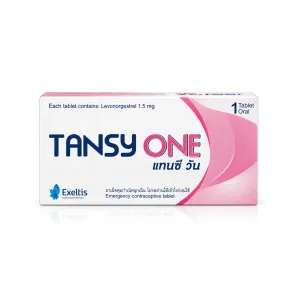 Tansy One
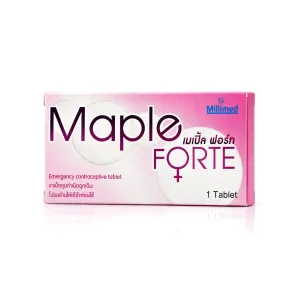 Maple Forte
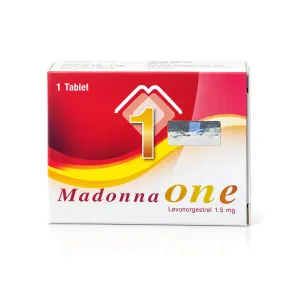 Madonna One
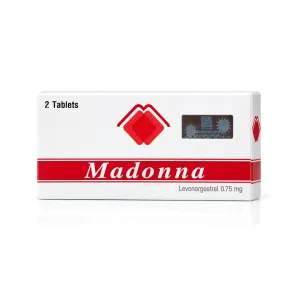 Madonna
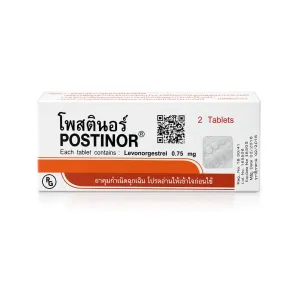 Postinor

