
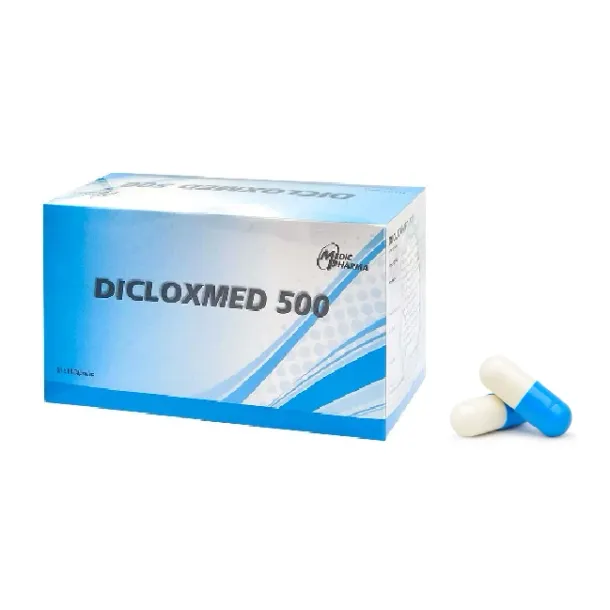
Dicloxacillin
DICLOXMED — dicloxacillin 500 mg capsule, an antibiotic for treating bacterial skin infections, infected wounds, and abscesses caused by Staphylococcus aureus strains resistant to standard penicillin.
💊 Active ingredient: Dicloxacillin — Penicillinase-resistant Penicillin
⏱️ Dosage: 1 capsule (500 mg) four times daily, every 6 hours
🍽️ Condition: Take on an empty stomach (30 min before or 2 hours after meals)
📦 Pack: 1 strip (10 capsules) dicloxacillin 500 mg
⚡ Key benefit: Beta-lactamase-resistant structure maintains full antibacterial potency against resistant Staph
🌡️ Storage: Below 30°C, away from moisture and direct sunlight
Done — we will alert you on LINE when this item is back.
Remind me to reorder
Remind me every
First reminder 27 Oct 2026 · on LINE
Shipping
Discreet shipping within Thailand — packaging does not identify the product. Customers can review shipping and return conditions per our store policy. Contact our team for any questions.
What is DICLOXMED?
DICLOXMED is an antibiotic capsule containing dicloxacillin 500 mg, a penicillinase-resistant penicillin. It treats bacterial skin infections, infected wounds, and abscesses caused by Staphylococcus aureus strains resistant to regular penicillin. Its structure resists breakdown by penicillinase enzymes, preserving full antibacterial activity. Take one capsule every 6 hours (4 times daily) on an empty stomach.
🛒 10 capsules/strip · Authentic · Fast 24-hr shipping from Intimo Life — consult your doctor or pharmacist before use
Product Description
Antibiotic DICLOXMED is dicloxacillin 500 mg in capsule form, used to treat bacterial infections of the skin, infected wounds, and abscesses caused by Staphylococcus aureus — particularly strains that produce penicillinase and are resistant to standard penicillin. The unique molecular structure of dicloxacillin shields it from destruction by the beta-lactamase enzyme, preserving full antibacterial potency against resistant Staph strains.
- 📊 S. aureus accounts for 75–80% of skin and soft-tissue infections in outpatient settings (StatPearls/NCBI, 2024)
- 📊 Dicloxacillin achieves over 90% eradication of MSSA when a full course is completed (Medscape Reference, 2024)
- 📊 Taking dicloxacillin on an empty stomach increases bioavailability by 37–50% compared to administration with food (MedlinePlus, 2024)
- 📊 Penicillinase-resistant penicillin antibiotics such as dicloxacillin remain first-line therapy for Staph skin infections per standard clinical guidelines (Medscape, 2024)
🏭 Manufacturer/Distributor: DICLOXMED
⚠️ Important Warning: Always complete the full course of dicloxacillin even if symptoms improve early — stopping early increases the risk of antibiotic resistance and recurrent infection.

About DICLOXMED
What is DICLOXMED?
DICLOXMED is dicloxacillin 500 mg in oral capsule form, classified as a penicillinase-resistant penicillin (Isoxazolyl Penicillin). It was developed specifically to overcome the resistance mechanism of Staphylococcus bacteria that produce the enzyme beta-lactamase (penicillinase), which destroys standard penicillin antibiotics.
Mechanism of action: Dicloxacillin binds to Penicillin-Binding Proteins (PBPs) on the bacterial cell wall, inhibiting cell wall synthesis and causing bacterial cell death. The isoxazolyl group in the dicloxacillin molecule shields the beta-lactam ring from enzymatic destruction by Staphylococcal penicillinase, maintaining full antibacterial activity.
DICLOXMED effectively kills Staphylococcus aureus and S. epidermidis strains resistant to Penicillin G and Ampicillin. It does not cover Gram-negative bacteria, as it cannot penetrate their outer cell membrane.
Dicloxacillin was discovered in the 1960s and remains a standard treatment for Staphylococcal infections today due to its targeted activity against skin-infecting Staph strains.
What Does DICLOXMED Treat?
Dicloxacillin 500 mg is indicated for bacterial infections caused by penicillinase-producing Staphylococcus strains, particularly skin and soft-tissue infections including:
- Skin and soft-tissue infections — wounds with pus, redness, warmth, or swelling from Staph bacteria
- Abscesses — subcutaneous abscesses, paronychia (nail bed abscesses), and body abscesses
- Cellulitis — deep skin tissue infection causing redness, swelling, and warmth
- Impetigo — contagious bacterial skin infection common in children
- Folliculitis and Furuncles (boils) — infection of hair follicles and sebaceous glands
- Post-surgical or traumatic wound infections — when Staphylococcal involvement is suspected
Important: DICLOXMED is highly effective against MSSA but has no activity against MRSA and does not cover Gram-negative organisms such as E. coli or Pseudomonas.
If uncertain whether an infection is caused by Staph, consult a pharmacist to select the most appropriate antibiotic.
How to Take DICLOXMED — Dosage Guide
Taking dicloxacillin correctly is critical — administration errors significantly reduce drug effectiveness.
Standard Adult Dosage (DICLOXMED 500mg):
- Take 1 capsule (500 mg) per dose
- Take 4 times daily, every 6 hours (e.g., 06:00, 12:00, 18:00, 00:00)
- Treatment duration: typically 7–14 days depending on infection severity
Before or After Food — Critically Important!
- Must be taken on an empty stomach: 1 hour before meals or 2 hours after meals
- Food reduces dicloxacillin absorption by 37–50%, significantly reducing efficacy
- Take with a full glass of water (at least 240 ml) at every dose
Critical Rules:
- Complete the full course as prescribed, even if symptoms improve early — stopping early promotes antibiotic resistance
- If a dose is missed: take it as soon as remembered, unless within 2 hours of the next dose — skip missed dose in that case
- Never double a dose to compensate for a missed one
For Children: Dosage is weight-based (typically 12.5–25 mg/kg/day divided into 4 doses). Always consult a pharmacist or physician before administering to children.
DICLOXMED Side Effects
Dicloxacillin is generally well-tolerated, but side effects can occur:
Common Side Effects:
- Nausea — especially if taken without adequate empty-stomach time
- Diarrhea — usually mild and self-resolving after completing the course
- Abdominal discomfort or cramping
- Vomiting — less frequent than nausea
Side Effects Requiring Medical Attention:
- Severe or bloody diarrhea, or diarrhea after stopping the course — may indicate C. difficile colitis
- Jaundice or very dark urine — stop medication and seek medical attention immediately
Allergic Reactions — Stop Immediately and Seek Medical Care:
- Urticaria (hives) or generalized skin rash
- Facial, lip, or tongue swelling (angioedema)
- Difficulty breathing or wheezing
- Anaphylaxis (severe allergic shock) — go to emergency room immediately
Contraindications and Precautions
Contraindications:
- Known allergy to penicillin or cephalosporin antibiotics — dicloxacillin is absolutely contraindicated
- History of anaphylaxis to any penicillin
Special Precautions:
- Liver disease: Use with caution — dicloxacillin is partially metabolized in the liver
- Pregnancy: FDA Pregnancy Category B — consult a physician before use
- Breastfeeding: Dicloxacillin passes into breast milk in small amounts; consult a physician
- Kidney impairment: Dose adjustment may be required in severe renal impairment
Key Drug Interactions:
- Warfarin: Dicloxacillin may reduce warfarin effectiveness — monitor INR closely
- Methotrexate: May reduce renal methotrexate excretion, increasing toxicity risk
- Oral contraceptives: May slightly reduce contraceptive efficacy; consider backup contraception
DICLOXMED vs Other Oral Antibiotics
Comparing DICLOXMED with other oral antibiotics available in store:
- DICLOXMED (Dicloxacillin 500mg) — Narrow-spectrum, targets penicillinase-resistant Staph; best for abscesses and skin wound infections; must be taken strictly on empty stomach
- AMK (Amoxicillin) — Broad-spectrum covering Gram-positive and some Gram-negative bacteria; best for tonsillitis, pneumonia, UTIs; ineffective against resistant Staph; can be taken with food
- Augmentin (Amoxicillin + Clavulanic acid) — Broader than AMK with beta-lactamase inhibition; best for animal bite wounds, sinusitis, mixed infections; higher cost, higher risk of diarrhea
Quick Summary: Choose DICLOXMED for suspected Staph skin infections, abscesses, or wounds not responding to standard penicillin. Choose AMK for respiratory or urinary tract infections. Choose Augmentin for mixed infections or animal bite wounds.
How Fast Does DICLOXMED Work?
Dicloxacillin is rapidly absorbed and reaches infected tissue within 1–2 hours. Clinical improvement follows this timeline:
- First 24–48 hours: Inflammation and pain may begin to decrease slightly
- Days 3–5: Most patients notice reduced redness, less swelling, and drying of pus
- Days 7–10: Significant clinical improvement is typical, though the full course must still be completed
Factors Affecting Speed of Action:
- Taking on an empty stomach as directed — maximizes peak blood concentration
- Infection severity — large abscesses may require incision and drainage (I&D) alongside antibiotics
- Bacterial strain — MSSA responds well to dicloxacillin; MRSA does not respond at all
⚠️ If symptoms do not improve within 3 days, or worsen after starting DICLOXMED, seek medical attention promptly — this may indicate MRSA or an infection requiring alternative treatment.
Where to Buy DICLOXMED?
Where Can I Buy DICLOXMED?
DICLOXMED Dicloxacillin 500mg (10 capsules per strip) is available at Intimo Life online store. Order conveniently with fast delivery across Thailand within 1–3 business days. Packed discreetly — no product name on the outer packaging.
⚠️ ข้อจำกัดความรับผิดชอบ
เนื้อหาในบทความนี้มีจุดประสงค์เพื่อให้ความรู้ทั่วไปเท่านั้น ไม่ได้มีเจตนาทดแทนคำแนะนำ การวินิจฉัย หรือการรักษาจากแพทย์หรือเภสัชกรผู้เชี่ยวชาญ หากมีข้อสงสัยเกี่ยวกับอาการหรือการใช้ยา ควรปรึกษาแพทย์หรือเภสัชกรก่อนเสมอ
References
- Sharma R, Chopra A. Dicloxacillin. In: StatPearls [Internet]. StatPearls Publishing; 2024.
- Medscape. Dicloxacillin (Rx) Drug Reference. Medscape. 2024.
- MedlinePlus. Antibiotics. U.S. National Library of Medicine. 2024.
- Tamma PD, et al. IDSA — skin and soft tissue infection guidelines. PubMed. 2019.
- NHS UK. Flucloxacillin (penicillinase-resistant penicillin class). NHS. 2024.
Frequently Asked Questions
The standard treatment course with dicloxacillin 500 mg is 7–14 days. Mild-to-moderate skin infections and abscesses typically require 7–10 days. Always complete the full prescribed course, even if symptoms improve early.
Dicloxacillin must always be taken on an empty stomach — either 1 hour before eating or 2 hours after a meal. Taking it with food reduces absorption by 37–50%, resulting in reduced antibacterial effectiveness.
Alcohol does not cause a severe direct interaction with dicloxacillin, but it is still not recommended during antibiotic treatment. Alcohol impairs immune function, disrupts recovery, and may worsen gastrointestinal side effects such as nausea and diarrhea.
If you miss a dose, take it as soon as you remember — unless the next dose is within 2 hours, in which case skip the missed dose and continue the regular schedule. Never double a dose to compensate for a missed one.
No — if you have a known penicillin allergy, dicloxacillin is absolutely contraindicated. Dicloxacillin belongs to the penicillin family, and cross-allergy reactions — including potentially life-threatening anaphylaxis — are a serious risk.
Dicloxacillin is classified as FDA Pregnancy Category B — animal studies have not demonstrated fetal harm. However, it should be used only when clearly necessary and always under physician supervision during pregnancy.
Both dicloxacillin and cloxacillin belong to the same penicillinase-resistant penicillin class. Dicloxacillin contains two chlorine atoms (di-chloro), giving it slightly better oral bioavailability and tissue penetration. Clinically, both antibiotics have very similar effectiveness for skin Staph infections.
Both are penicillin-class antibiotics but serve different clinical purposes: Dicloxacillin specifically resists Staphylococcal penicillinase — the preferred choice for skin abscesses and wound infections caused by penicillin-resistant Staph. Amoxicillin is broad-spectrum but is destroyed by penicillinase and has no effectiveness against resistant Staph strains.
Related Products
Products with the same active ingredient or treating the similar condition.
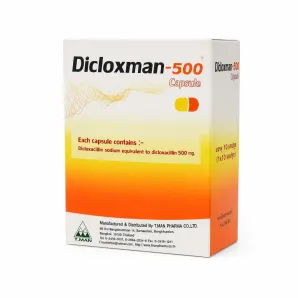 DICLOXMAN-500
Penicillinase-resistant antibiotic for Staph skin infections
✓ In stock48.00 ฿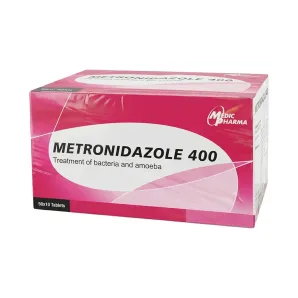 Metronidazole
Treats bacterial vaginosis & abnormal vaginal discharge
✓ In stock40.00 ฿(฿4/tablet)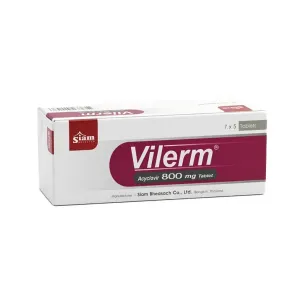 Vilerm
Oral herpes treatment reduces recurrence
✓ In stockFrom 55.00 ฿(฿11/tablet)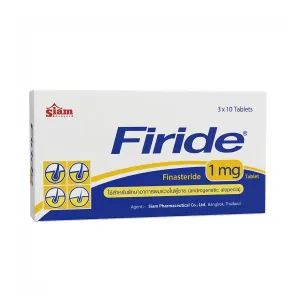 Firide
Finasteride for hair growth – quality & value
✓ In stockFrom 345.00 ฿(฿11.50/tablet)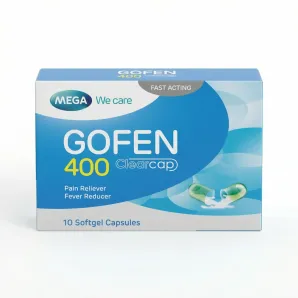 Gofen
GofenGofen for period pain, headache & muscle ache
✓ In stock120.00 ฿(฿12/tablet)
Become a member of our store to receive news and exclusive discounts.