What Are Bloating and Gas — And How Are They Different?
Understanding bloating and gas causes starts with the basics: Bloating is the feeling of fullness, tightness, or visible abdominal swelling, even when the abdomen hasn't actually expanded. Excessive gas (flatulence) refers to an abnormal buildup of gas in the digestive tract, causing frequent burping, passing gas, or a feeling of pressure.
These two often occur together, since excess trapped gas is a leading cause of the bloated feeling — but bloating can also stem from other causes such as constipation, slow digestion, or stomach acid irritation.
Common Causes of Bloating and Gas
Eating habits
Eating too fast — swallowing air along with food (aerophagia)
Carbonated drinks — adds carbon dioxide gas directly into the stomach
Chewing gum, drinking through straws — unconsciously swallowing air
Large, fatty meals — slower digestion, food sits longer in the stomach
Gas-producing foods
Beans, cabbage, broccoli, onions — contain hard-to-digest carbohydrates (FODMAPs) that gut bacteria ferment, releasing gas
Milk and dairy products — in people with lactose intolerance
Sugar substitutes (sorbitol, xylitol) — found in sugar-free gum
Digestive conditions
Constipation — retained stool makes gas harder to pass
Irritable bowel syndrome (IBS) — an oversensitive gut that bloats easily
Acid reflux / excess acid — irritates the stomach, causing a full feeling
Stress — affects gut motility (the gut-brain axis)
Acid-Related vs Gas-Related Bloating — What's the Difference?
The bloated feeling can come from two different mechanisms, and the right remedy depends on which one applies:
Gas-related bloating
Caused by gas (mostly nitrogen, carbon dioxide, and methane) building up in the stomach and intestines. Usually comes with burping, passing gas, and a pressured feeling — common after hard-to-digest foods or swallowing excess air.
Acid-related bloating
Caused by stomach acid irritating the lining or refluxing into the esophagus. Usually comes with heartburn, sour burps, and fullness under the breastbone — common after fatty, spicy food, or eating late at night.
Sometimes both mechanisms occur together, so it's worth considering the accompanying symptoms before choosing a remedy.
How to Relieve Bloating Through Lifestyle Changes
Eat slower, chew thoroughly — reduces air swallowing and eases digestion
Avoid carbonated and fizzy drinks — cuts gas entering the stomach directly
Take a gentle 10-15 minute walk after meals — stimulates gut motility and helps gas pass
Cut back on fatty, fried foods — digests faster, reduces the full feeling
Identify trigger foods — such as milk, beans, or cabbage, and reduce portions
Eat smaller, more frequent meals — instead of 2-3 large meals
Manage stress — practice deep breathing and relaxation to ease digestive impact
These work well for occasional bloating. If symptoms persist despite these changes, medication may help alongside.
What Is Simethicone (Gas Relief) and How to Use It
Simethicone works locally in the digestive tract and is not absorbed into the bloodstream. It works by combining small gas bubbles into larger ones, making it easier for the body to expel gas through burping or passing gas.
Best suited for
Bloating from trapped gas, fullness, or pressure under the breastbone
Excessive gas — frequent burping or flatulence after eating
Fullness after a large meal or gas-producing foods
General usage
Typically taken after meals and before bed, per the dose listed on the product label. Because it isn't absorbed into the blood, it's an option that can be used even when symptoms occur frequently. Intimo Life offers Simethicone gas relief as one option.
How Antacids Differ From Gas-Relief Medicine
Antacids work through a completely different mechanism than simethicone (gas relief) — antacids work by directly neutralizing stomach acid, or in some formulas, forming a protective "raft" that blocks acid from refluxing into the esophagus. Gas-relief medicine, on the other hand, only combines gas bubbles for easier passage — it does not reduce acid at all.
Which one to choose
Bloating from gas, no heartburn → Simethicone (gas relief) addresses this directly
Bloating with heartburn or sour burps → Antacids match the underlying mechanism better
Both symptoms together → Some products combine antacid and simethicone in one formula, or you can choose based on the dominant symptom
Intimo Life offers antacid options including Gaviscon, an alginate-raft formula specifically for acid reflux, and Magesto-F, another digestive aid / acid-reducing option.
Comparison Table — Choosing the Right Bloating Remedy
Main symptom
Use
Mechanism
Duration
Bloating, no heartburn
Simethicone (gas relief)
Breaks down gas bubbles
Per label
Heartburn, sour burps
Antacid
Neutralizes / blocks reflux
Per label
Constipation present
Lifestyle + fiber
Stimulates bowel movement
Ongoing
Lactose intolerance
Avoid dairy
Avoid the trigger
Ongoing
Chronic, unknown cause
See a doctor
Diagnostic workup
Per physician
When Bloating Needs a Doctor
Most bloating is mild and resolves on its own, but some signs should not be ignored:
❗ Severe abdominal pain, especially sudden onset or pain that limits movement
❗ Unexplained weight loss together with chronic bloating
❗ Blood in stool or black stool
❗ Persistent vomiting or vomiting with blood
❗ Bloating with high fever
❗ Difficulty swallowing or food feeling stuck
❗ Bloating lasting more than 2 weeks despite lifestyle changes and medication
❗ Progressively worsening abdominal swelling unrelated to eating
If one or more of these apply, consult a doctor to identify the underlying cause.
Preventing Bloating and Gas From Returning
Adjust meal patterns
Eat slower, chew thoroughly, and split meals into smaller, more frequent portions instead of 2-3 large meals.
Choose foods mindfully
Notice which foods trigger bloating often — such as milk, beans, or soda — and gradually reduce portions rather than cutting them out entirely unless necessary.
Stay physically active
Regular walking or light exercise helps stimulate gut motility.
Stay hydrated
Supports normal digestion and reduces the risk of constipation that leads to bloating.
Manage stress
Stress affects gut motility through the gut-brain axis — practice regular relaxation techniques.
Frequently Asked Questions
Depends on the cause — for gas-related bloating without heartburn, simethicone (gas relief) directly breaks down gas bubbles. If heartburn is present, an antacid matches the mechanism better. Consider accompanying symptoms before choosing.
Bloating is the feeling of fullness or visible swelling, while gas (flatulence) is an abnormal buildup of gas causing frequent burping or passing gas. They often occur together since excess gas is a leading cause of the bloated feeling.
Simethicone combines small gas bubbles into larger ones for easier passage — it doesn't reduce acid and isn't absorbed into the blood. Antacids work by neutralizing stomach acid or forming a protective raft against reflux — a different mechanism. Choose based on the dominant symptom.
High-FODMAP foods like beans, cabbage, broccoli, and onions, plus milk/dairy in those with lactose intolerance, carbonated drinks, and sugar substitutes like sorbitol all increase the likelihood of bloating.
Occasional bloating after large or gas-producing meals is normal. But if it happens after nearly every meal consistently, review your diet and adjust habits. See a doctor if it persists to rule out causes like IBS or food intolerances.
Yes — a gentle 10-15 minute walk after eating stimulates gut motility, helping gas and food move through the digestive tract more efficiently and reducing the full feeling.
Possible causes include IBS, digestive dysfunction, food intolerances, chronic constipation, or in some cases other digestive conditions that require further medical evaluation.
Typically after meals and before bed, following the dose on the product label. It suits gas-related bloating that occurs after eating. If symptoms don't improve as directed, consult a pharmacist or doctor.
⚠️ Disclaimer
The information on this page is for general informational purposes only and is not intended to replace professional medical advice, diagnosis, or treatment from a qualified doctor or pharmacist. If you have any questions about your symptoms or medication, always consult a doctor or pharmacist first.



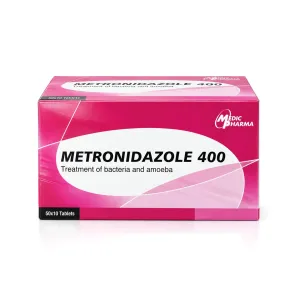 Metronidazole
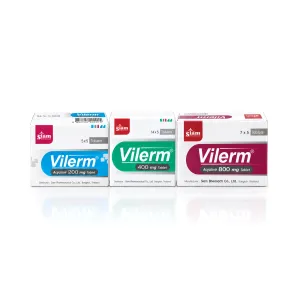 Vilerm
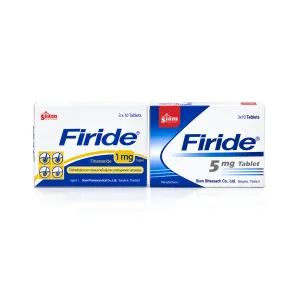 Firide
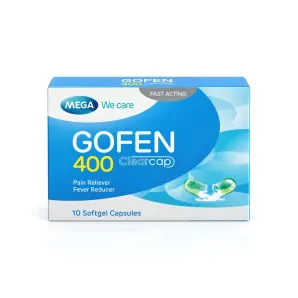 Gofen
Gofen Annylyn
 Sumigran
 Preme
Preme Tofago
 B-Ciprofloxacin
 Tansy One
 Enaril
 Nasonex