Naproxen is an anti-inflammatory painkiller in the NSAID group — for period pain, joint and muscle pain, gout, and arthritis (NHS)
Relatively long-acting; how many doses a day depends on the condition and the product — read the label and follow your pharmacist or doctor. It is generally taken less often than ibuprofen because it lasts longer
Do not take: NSAID allergy, asthma triggered by NSAIDs/aspirin, around CABG heart surgery, pregnancy (avoid from 20 weeks, absolute from 30 weeks) · Check with a doctor first: stomach ulcers, heart/kidney/liver conditions, general asthma, breastfeeding
Do not combine with other NSAIDs (ibuprofen, aspirin) — but it can be taken with paracetamol
Take it with food to reduce stomach irritation · if pain does not improve or side effects appear, ask a pharmacist or doctor
Medically reviewed by
Supatcheree A., Pharmacist | Sources: NHS, NCBI StatPearls, MedlinePlus
Naproxen vs ibuprofen is a common comparison when picking a pain reliever. Naproxen is a pain-relieving, anti-inflammatory medicine in the NSAID (non-steroidal anti-inflammatory drug) group. It works by blocking COX enzymes, which make the substances that cause pain and inflammation.
What naproxen is used for
According to the NHS, it relieves:
Period pain
Joint and muscle pain, including pain after an injury
Gout (uric-acid arthritis)
Osteoarthritis and rheumatoid arthritis
It is sold under several brand names, all containing naproxen or naproxen sodium (a salt form absorbed slightly faster). At Intimo Life this is Soproxen (Naproxen Sodium 275 mg) — see all naproxen painkillers in the naproxen collection.
Naproxen 250 mg — Dosing and How to Take It
Naproxen 250 mg relieves pain and inflammation like the other strengths. Naproxen comes in several strengths and in both naproxen and naproxen sodium forms (a different salt, absorbed slightly differently — Soproxen, for example, is naproxen sodium). The two forms are not exactly the same, so do not swap between them without asking a pharmacist; go by the strength printed on the label.
General dosing
Take it straight after food with a full glass of water to reduce stomach irritation
The number of doses a day depends on the condition and product — follow the label and your pharmacist or doctor; generally less often than ibuprofen
Use the lowest effective dose for the shortest time, the standard rule for NSAIDs
Do not increase the dose or take it more often than the label or your pharmacist advises
⚠️ The right dose varies by symptom, age, and health conditions — always read the label and consult a pharmacist or doctor before use, especially for several days of continuous use.
Naproxen vs Ibuprofen — What's the Difference
Both are NSAIDs with a similar mechanism. The main difference is how long they last and how often you take them:
Feature
Naproxen
Ibuprofen
Drug class
NSAID
NSAID
Dosing frequency
Depends on condition; fewer doses than ibuprofen
Shorter-acting, taken more often than naproxen — follow the ibuprofen label
Uses (NHS)
Period pain, joint/muscle pain, gout, arthritis
Headache/migraine, joint/muscle pain, toothache, period pain, fever
Stomach irritation
NSAID-class risk — take with food
NSAID-class risk — take with food
Breastfeeding
NHS says ibuprofen is safer
NHS-preferred while breastfeeding
Never take naproxen together with ibuprofen or another NSAID — ask a pharmacist which one suits you.
Some blood-pressure medicines and diuretics — NSAIDs can reduce their effect and affect the kidneys
Steroids — increase stomach risk
Certain antidepressants (SSRIs)
Can be combined (short-term, as advised)
Paracetamol — a different mechanism, useful add-on for pain control
If you have any health condition or take other medicines, always tell your pharmacist before starting naproxen.
Frequently Asked Questions
It relieves pain and inflammation — period pain, joint and muscle pain, gout, and arthritis (NHS). 250 mg is one standard strength; the number of doses depending on the condition, taken after food, at the lowest effective dose for the shortest time.
Neither is always "better" — the main difference is that naproxen is longer-acting, so it is taken less often, while ibuprofen is shorter-acting and taken more often. Both treat a range of pain and inflammation (see each drug's NHS uses). Never take both together. Ask a pharmacist which suits your symptoms and health conditions.
Take it straight after food with a full glass of water to reduce stomach irritation, a known NSAID risk. The number of doses a day depends on the condition and your doctor's or pharmacist's advice.
No — the NHS advises avoiding naproxen during pregnancy unless a doctor prescribes it, and StatPearls lists pregnancy from 30 weeks as an absolute contraindication because NSAIDs can harm the baby. The preferred painkiller in pregnancy is paracetamol. If you are pregnant or planning to be, ask a doctor before taking any painkiller.
Use the lowest effective dose for the shortest time — long-term NSAID use raises risks to the stomach, kidneys, and heart. If long-term use is needed (e.g. chronic arthritis), it should be under a doctor's care, who may add a stomach-protecting medicine and monitor kidney function.
Yes — naproxen (an NSAID) and paracetamol work by different mechanisms, so they can be combined short-term for pain control as advised. But do not combine with other NSAIDs like ibuprofen or aspirin (painkiller doses). If you take other medicines or have a health condition, ask a pharmacist first.
Naproxen comes in many brands, colours, and shapes; the active ingredient is naproxen or naproxen sodium — but they are not always interchangeable: naproxen vs naproxen sodium, and immediate-release vs extended-release (ER/SR) forms differ in dose and how they are taken. Check the ingredient, strength, and form on the label, and ask a pharmacist before switching brand or form — do not judge by tablet colour alone.
Order at Intimo Life, such as Soproxen (Naproxen Sodium 275 mg) — authentic products, dispatched within 24 hrs, discreet packaging, with pharmacist advice available before ordering to pick the right strength and confirm it suits you.
⚠️ Disclaimer
The information on this page is for general informational purposes only and is not intended to replace professional medical advice, diagnosis, or treatment from a qualified doctor or pharmacist. If you have any questions about your symptoms or medication, always consult a doctor or pharmacist first.



 Metronidazole
 Vilerm
 Firide
 Gofen
Gofen Annylyn
 Sumigran
 Preme
Preme Tofago
 B-Ciprofloxacin
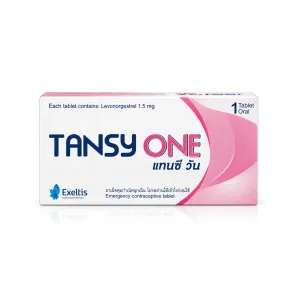 Tansy One
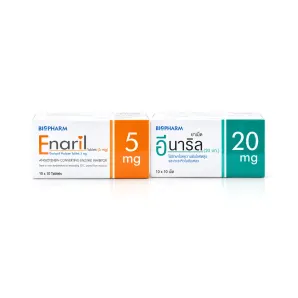 Enaril
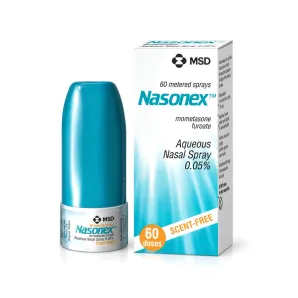 Nasonex