Acid reflux (Gastroesophageal Reflux Disease — GERD) is one of the most common gastrointestinal conditions worldwide.
📊 Key statistics:
Approximately 10-15% of the Thai population experiences acid reflux symptoms, with the number steadily increasing
Globally, GERD affects around 8-33% of the population depending on the region
People who are overweight, frequently stressed, eat late at night, or smoke are at significantly higher risk
💊 The most effective medications for treating acid reflux are PPIs (Proton Pump Inhibitors), which work by blocking acid production at the source. Key active ingredients include:
Omeprazole — The first and most widely used PPI, affordable and effective. Taken once daily before breakfast.
Esomeprazole — A newer-generation PPI with improved absorption and more consistent effect. Ideal for those who haven't fully responded to Omeprazole.
⚠️ PPIs should not be used continuously for more than 8 weeks without consulting a pharmacist or doctor.
The primary medications for acid reflux belong to the PPI class, which blocks acid production at the source. They suit people with frequent heartburn or acid regurgitation, especially those who are overweight, stressed, or eat late at night. Start with Omeprazole first, then consider Esomeprazole, which absorbs better, if symptoms persist.
🛒 Shop the range above · 24-hour dispatch from Intimo Life — consult a pharmacist if unsure.
Acid reflux (Gastroesophageal Reflux Disease — GERD) is one of the most common gastrointestinal conditions worldwide.
📊 Key statistics:
Approximately 10-15% of the Thai population experiences acid reflux symptoms, with the number steadily increasing
Globally, GERD affects around 8-33% of the population depending on the region
People who are overweight, frequently stressed, eat late at night, or smoke are at significantly higher risk
💊 The most effective medications for treating acid reflux are PPIs (Proton Pump Inhibitors), which work by blocking acid production at the source. Key active ingredients include:
Omeprazole — The first and most widely used PPI, affordable and effective. Taken once daily before breakfast.
Esomeprazole — A newer-generation PPI with improved absorption and more consistent effect. Ideal for those who haven't fully responded to Omeprazole.
⚠️ PPIs should not be used continuously for more than 8 weeks without consulting a pharmacist or doctor.
Medically reviewed by
Supatcheree A., Pharmacist | Sources: NHS, Mayo Clinic, WHO, PubMed
Acid reflux, or Gastroesophageal Reflux Disease (GERD), is a condition where stomach acid flows back up into the oesophagus, causing a burning sensation in the chest, sour burps, or a bitter taste in the mouth. Unlike the stomach, the oesophagus isn't built to handle acid, so this backflow causes irritation and inflammation.
Normally, a ring of muscle at the bottom of the oesophagus called the Lower Esophageal Sphincter (LES) acts as a valve to keep acid from rising. When this muscle weakens or relaxes at the wrong time, acid escapes upward — and that's when the discomfort begins.
Signs You Might Have Acid Reflux
Acid reflux isn't just about heartburn. There are several symptoms to watch for.
🔥 Common symptoms — Heartburn (burning sensation in the chest), especially after eating or when lying down / sour or bitter-tasting burps / bloating and trapped wind / difficulty swallowing or feeling like something is stuck in the throat
😮 Less obvious symptoms many people don't associate with acid reflux — Chronic dry cough, especially at night / frequent sore throat or hoarseness / chest pain (similar to heart disease — see a doctor to rule it out) / unusual tooth erosion from acid
If you experience these symptoms more than twice a week, it's time to start treatment and make some lifestyle adjustments.
What Causes Acid Reflux?
Multiple factors can contribute to acid reflux.
Behavioural factors — Eating large meals and lying down immediately / spicy, fatty, or acidic foods / excessive coffee, tea, carbonated drinks, or alcohol / smoking / chronic stress
Physical factors — Being overweight or obese / pregnancy / hiatal hernia / weakened lower oesophageal sphincter
Medication-related factors — NSAIDs (such as Ibuprofen and Aspirin), certain blood pressure medications, and sedatives can all worsen acid reflux symptoms
How Is Acid Reflux Treated?
Treatment follows three main approaches.
1. Lifestyle changes — Reduce fatty, spicy, and acidic foods / don't lie down right after eating (wait at least 2-3 hours) / elevate the head of your bed by 6-8 inches / lose weight if overweight / avoid coffee, alcohol, and cigarettes
2. Medication — PPIs are the most effective medication class for treating acid reflux. They work by blocking acid production at the source, allowing the inflamed oesophagus to heal.
3. Surgery — In severe cases where medication fails, doctors may consider surgery to reinforce the oesophageal sphincter. However, this is very rare.
For most people, a combination of lifestyle changes and PPI medication controls symptoms very effectively.
Omeprazole vs Esomeprazole — What's the Difference?
Both belong to the PPI class, but they have some key differences.
Omeprazole — The first PPI to be widely used, with over 30 years of proven track record. Affordable and effective for most people. Take once daily, 30 minutes before breakfast. At Intimo Life, we offer Omeprazole GPO, manufactured by Thailand's Government Pharmaceutical Organization at an accessible price point.
Esomeprazole — A newer-generation PPI developed from Omeprazole, using only the most active component (S-isomer). This means more consistent absorption and better efficacy for some people. Ideal if Omeprazole hasn't worked well enough. At Intimo Life, we offer Nexium, the original brand of Esomeprazole.
In short: Start with Omeprazole — it works well for most people. If symptoms persist, switching to Esomeprazole may help.
How to Take PPIs for Best Results
Taking PPIs correctly makes a real difference in how well they work.
⏰ Timing — Take 30 minutes before a meal, ideally before breakfast. PPIs work best when the stomach is about to start producing acid.
💊 How to take — Swallow whole with water. Do not crush, break, or chew — the coating protects the medication from being broken down before it reaches the intestines.
📅 Duration — For typical acid reflux, take for 4-8 weeks. Do not use continuously for more than 8 weeks without consulting a pharmacist.
⚡ Important to know — PPIs don't provide instant relief like liquid antacids. It may take 2-3 days to feel the full effect, so take them consistently every day.
PPI Side Effects You Should Know About
PPIs are generally very safe medications, but some side effects can occur.
Common side effects — Headache, bloating, nausea, diarrhoea or constipation. These are usually mild and resolve once you stop the medication.
Long-term use considerations — Using PPIs continuously for over a year may slightly increase the risk of vitamin B12 and magnesium deficiency, and may marginally raise fracture risk in elderly patients. For this reason, it's recommended to use the lowest effective dose for the shortest necessary duration.
If you need to use PPIs for longer than 8 weeks, consult a doctor to assess whether continued use is appropriate.
Acid Reflux vs Gastritis — What's the Difference?
Many people confuse these two conditions. While they share some symptoms, they are different problems.
Acid Reflux (GERD) — Acid flows from the stomach up into the oesophagus. Main symptoms include heartburn and sour burps. Typically worsens when lying down or bending over.
Gastritis / Peptic Ulcer — Inflammation or ulcers in the stomach lining itself. Main symptoms include a dull or burning pain in the upper abdomen. Typically worsens on an empty stomach.
Both conditions can be treated with PPIs. However, if you experience severe abdominal pain, vomiting blood, or unexplained weight loss, see a doctor for further investigation.
Lifestyle Tips to Reduce Acid Reflux
Medication alone may not be enough. Combining it with these habits can provide much more lasting relief.
🍽️ Diet — Avoid fatty, spicy, and highly acidic foods, chocolate, and mint / reduce coffee, tea, carbonated drinks, and alcohol / eat smaller, more frequent meals instead of three large ones / don't eat 2-3 hours before bedtime
🛏️ Sleep — Elevate the head of your bed by 6-8 inches (not just more pillows) / sleeping on your left side reduces reflux more effectively than sleeping on your right
⚖️ Weight — Lose weight if overweight. Abdominal fat puts pressure on the stomach, making reflux more likely.
🚭 Smoking — Quit smoking. Nicotine weakens the lower oesophageal sphincter, making it easier for acid to escape.
When Should You See a Doctor?
Most acid reflux cases respond well to medication and lifestyle changes. However, see a doctor if you experience any of the following:
🚨 Symptoms don't improve after 2 weeks of PPI use / difficulty or pain when swallowing / vomiting blood or black stools / unexplained weight loss / severe chest pain (to rule out heart disease) / symptoms persisting for more than 8 weeks despite treatment
These could indicate complications that require further investigation, such as severe oesophagitis, oesophageal stricture, or Barrett's Oesophagus.
⚠️ Disclaimer
The information on this page is for general informational purposes only and is not intended to replace professional medical advice, diagnosis, or treatment from a qualified doctor or pharmacist. If you have any questions about your symptoms or medication, always consult a doctor or pharmacist first.
Acid reflux symptoms can be very well controlled with medication and lifestyle changes. Many people find their symptoms resolve entirely after a full course of treatment. However, symptoms can return if old habits resume, so ongoing self-care is important.
Liquid antacids (like Maalox or Mylanta) work instantly by neutralising existing acid, but the effect is short-lived. PPIs like Omeprazole take longer to kick in but block acid production at the source, providing much more effective and longer-lasting relief. PPIs are the better choice for serious treatment.
Short-term use of 4-8 weeks is very safe. However, continuous use beyond 8 weeks should be discussed with a pharmacist or doctor, as prolonged use may affect absorption of certain vitamins and minerals.
Coffee can relax the lower oesophageal sphincter, making reflux more likely. If you can't give it up entirely, try reducing the amount, avoid drinking it on an empty stomach, and choose lower-acidity options.
Yes, they're connected. Stress doesn't directly increase acid production, but it makes the oesophagus more sensitive to irritation and often leads to habits that worsen reflux — like eating irregularly, drinking more coffee, and sleeping late. So stress is an indirect but significant risk factor.
Bloating is a common symptom that can accompany acid reflux, especially if you also experience heartburn, frequent burping, and a tight feeling in the chest. However, bloating on its own can have other causes. If you're unsure, consult a pharmacist for guidance.
Dispatched within 24 hrs
Order today for fast delivery. No long waits—ready to ship locally.
100% Authentic
Handpicked authentic products with certified standards.
Discreet Shipping
Plain packaging, no product names. Your privacy is our priority.



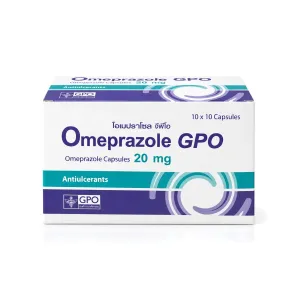 Omeprazole GPO
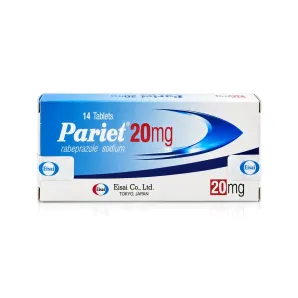 Pariet
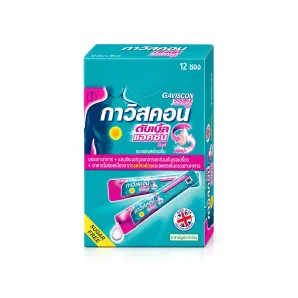 Gaviscon Dual Action Sachets
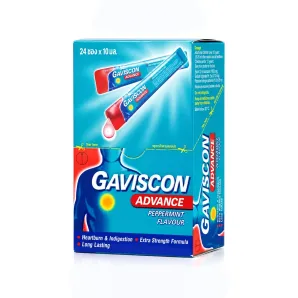 Gaviscon Advance Sachets
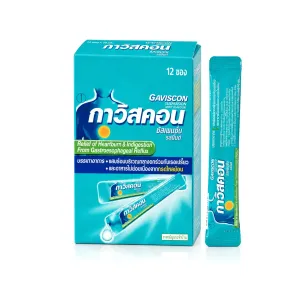 Gaviscon Peppermint Sachets
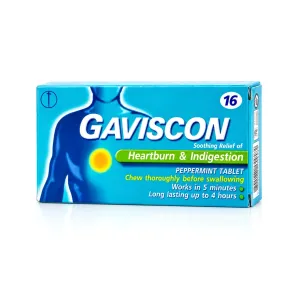 Gaviscon Peppermint Tablets
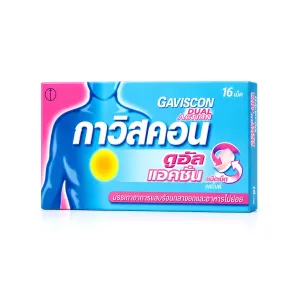 Gaviscon Dual Action Tablets
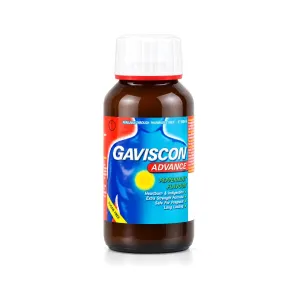 Gaviscon Advance
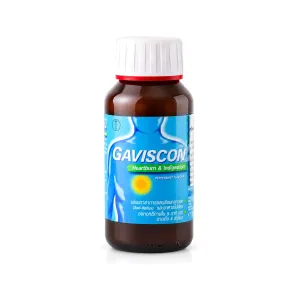 Gaviscon Peppermint
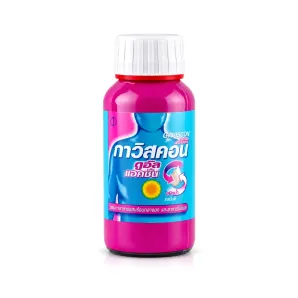 Gaviscon Dual Action
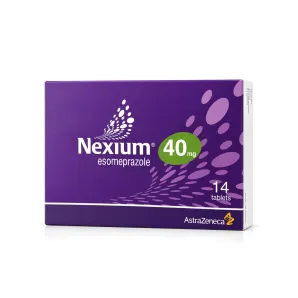 Nexium
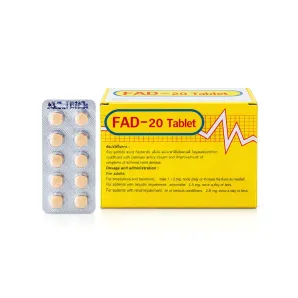 Famotidine