
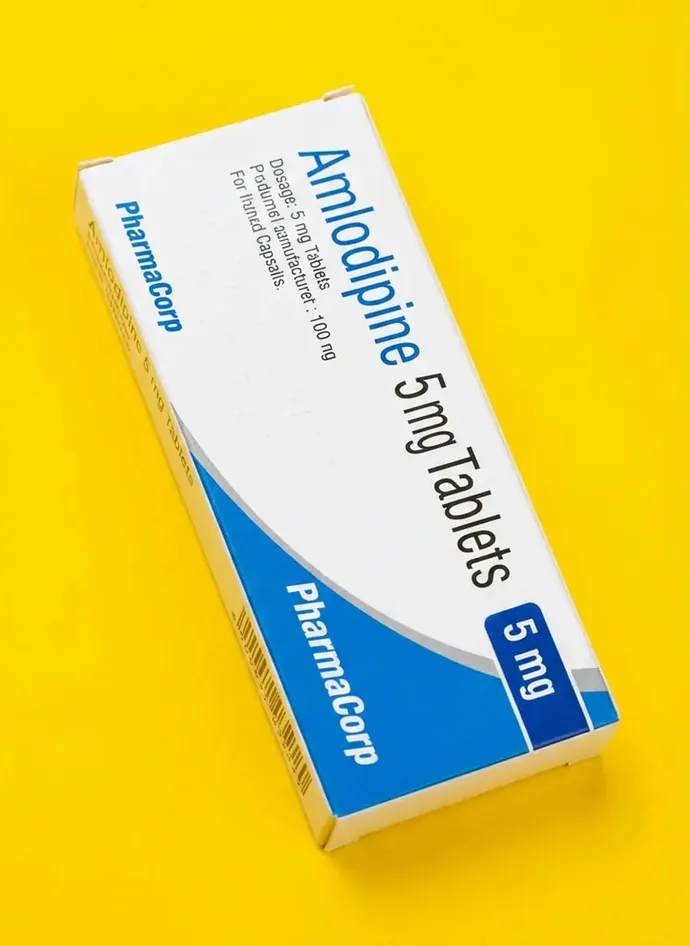
Amlodipine
Amoxicillin — Antibiotic / Antibacterial
Amoxicillin is the most widely prescribed antibiotic in the world — trusted for decades and effective against a broad range of bacterial infections, from respiratory and urinary tract infections to dental abscesses and skin infections. Intimo Life offers Amoxicillin in both standard and enhanced formulations.
💊 Amoxicillin antibiotics available in both standard and Clavulanic Acid-enhanced formulations. Choose the one that fits your needs.
👨⚕️ Consult a pharmacist online instantly — no travel, no queues, completely private and convenient.
🚚 Fast, confidential delivery — plain packaging with no product names on the outside, delivered safely to your door.
What is Amlodipine?
Amlodipine is a Calcium Channel Blocker doctors often choose first for high blood pressure, working long and steady. Taken once daily, it controls blood pressure evenly across 24 hours, ideal for people starting treatment or wanting fewer side effects. Intimo Life offers Amlopine and Ambes, but it must be taken consistently — never stop it on your own even once pressure normalizes.
🛒 Shop the range above · 24-hour dispatch from Intimo Life — consult a pharmacist if unsure.
Amlodipine is a Calcium Channel Blocker (CCB) — one of the most commonly prescribed blood pressure medications worldwide. It's frequently chosen as a first-line treatment due to its high effectiveness, low side effects, and simple dosing.
📊 Key facts:
- Amlodipine is the most prescribed CCB globally
- Reduces blood pressure by an average of 10-15/6-10 mmHg (systolic/diastolic) — clinically meaningful reductions
- Once-daily dosing provides smooth 24-hour blood pressure control with no peaks and troughs
💊 At Intimo Life, we offer two Amlodipine brands:
- Amlopine — Amlodipine once daily, 24-hour blood pressure control
- Ambes — Amlodipine once daily, 24-hour blood pressure control
⚠️ Amlodipine must be taken consistently every day. Never stop on your own, even if readings normalise.

Available Treatments
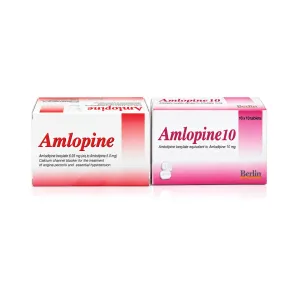
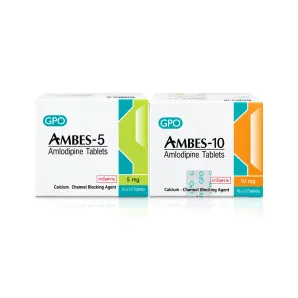
About Amlodipine
What Is Amlodipine?
Amlodipine is a Calcium Channel Blocker (CCB). It works by reducing calcium flow into the smooth muscle cells of blood vessel walls, causing blood vessels to relax and widen. This improves blood flow and lowers blood pressure.
Amlodipine has an exceptionally long half-life (30-50 hours), meaning one daily dose provides smooth, consistent blood pressure control over the full 24-hour period — no fluctuations throughout the day.
What Is Amlodipine Used For?
Amlodipine isn't just for high blood pressure.
💊 Hypertension — The primary indication. Amlodipine effectively reduces both systolic and diastolic pressure. Can be used alone or combined with other blood pressure drug classes.
💊 Angina (chest pain from coronary artery disease) — Amlodipine dilates coronary arteries and reduces the heart's workload, relieving chest pain from reduced blood flow to the heart.
💊 Raynaud's disease — A condition where blood vessels in the fingers and toes constrict in response to cold. Amlodipine helps by dilating these vessels.
How to Take Amlodipine
💊 Dosage — Starting dose is typically 5 mg once daily. May be increased to 10 mg if needed. Elderly patients often start at 2.5 mg.
⏰ Timing — Take at the same time every day, morning or evening. Can be taken with or without food. Consistency is what matters most.
🚫 Never stop on your own — Even if blood pressure normalises. Stopping abruptly can cause pressure to rebound. Any dose changes must be gradual and medically supervised.
🍊 Grapefruit — Avoid grapefruit juice while taking Amlodipine, as it may increase drug levels in the blood.
Side Effects
Amlodipine has a strong safety profile. Most side effects are mild and often improve as the body adjusts.
Common side effects:
- Ankle swelling (Peripheral Oedema) — Most common, especially at 10 mg. Caused by blood vessel dilation, not kidney problems. Elevating legs while resting can help.
- Facial flushing — Due to blood vessel dilation. Usually improves within 1-2 weeks.
- Headache — Common initially, usually resolves on its own.
- Dizziness — Especially when first starting.
Important: Amlodipine does not cause dry cough — a key advantage over ACE Inhibitors (like Enalapril), which cause dry cough in 10-15% of users.
How Does Amlodipine Compare to Other Blood Pressure Medications?
At Intimo Life, we offer blood pressure medications across multiple classes.
Amlodipine (CCB) vs Enalapril (ACE Inhibitor) — Anapril / Enaril
- Amlodipine doesn't cause dry cough (key advantage) / ACE Inhibitors cause cough in 10-15%
- ACE Inhibitors offer better heart and kidney protection, especially for diabetic patients
Amlodipine (CCB) vs Losartan (ARB) — Loranta
- Neither causes dry cough / Losartan offers kidney protection and slightly lowers uric acid — suitable for patients with gout
- Amlodipine requires no dose adjustment for kidney patients
Amlodipine (CCB) vs Doxazosin (Alpha Blocker) — Cardura XL / Cazosin
- Doxazosin also helps with enlarged prostate symptoms — ideal for men with both conditions
Can Amlodipine Be Taken with Other Medications?
✅ Common safe combinations — Other blood pressure medications, especially ACE Inhibitors or ARBs (e.g. Amlodipine + Losartan is a popular combination) / cholesterol medication (Statins) / diabetes medication
⚠️ Caution needed — Avoid grapefruit juice / use care with ED medication (e.g. Sildenafil) as both lower blood pressure — may cause excessive drops. Consult a pharmacist first / caution with high-dose Simvastatin (above 20 mg) combined with Amlodipine due to increased muscle pain risk
Amlodipine and Sexual Function
A common concern among men taking blood pressure medication.
The good news: Amlodipine is among the blood pressure medications with the least impact on sexual function, unlike Beta Blockers or certain diuretics which may have more noticeable effects.
If you experience erectile difficulties while taking blood pressure medication, do not stop the medication. Consult a pharmacist about switching drug classes or adding ED treatment.
Lifestyle Tips for Amlodipine Users
Blood pressure medication works best alongside lifestyle changes.
🧂 Reduce sodium — No more than 2,000 mg/day. Cut back on soy sauce, fish sauce, and processed foods.
🏃 Exercise regularly — 150 minutes per week, moderate intensity.
⚖️ Maintain healthy weight — Every 1 kg lost reduces blood pressure by approximately 1 mmHg.
📏 Monitor at home — Measure morning and evening. Keep a log for your pharmacist or doctor.
🚭 Quit smoking, limit alcohol — Both accelerate arterial damage.
When Should You See a Doctor?
🚨 See a doctor if — Significant or painful ankle swelling / severe dizziness or fainting / unusually rapid heartbeat or palpitations / blood pressure not decreasing despite consistent medication / chest pain or breathing difficulty / you want to adjust or change your medication
⚠️ Disclaimer
The information on this page is for general informational purposes only and is not intended to replace professional medical advice, diagnosis, or treatment from a qualified doctor or pharmacist. If you have any questions about your symptoms or medication, always consult a doctor or pharmacist first.
References
- ALLHAT (2002). "Major Outcomes in High-Risk Hypertensive Patients." JAMA
- Whelton, P.K. et al. (2018). "2017 ACC/AHA Guideline for High Blood Pressure." Journal of the American College of Cardiology
- Thai Hypertension Society — Clinical Practice Guidelines
- Thai FDA (สำนักงานคณะกรรมการอาหารและยา)
- Mayo Clinic — High Blood Pressure
Frequently Asked Questions
Ankle swelling is the most common side effect, caused by blood vessel dilation (not kidney problems). Elevating your legs, reducing salt intake, and wearing compression socks can help. If swelling is significant, consult a pharmacist about dose adjustment or switching medications.
Either is fine. The key is consistency — same time every day. Amlodipine's long half-life provides smooth 24-hour control regardless of when you take it.
No. Amlodipine does not cause dry cough — a key advantage over ACE Inhibitors (like Enalapril) which cause cough in 10-15% of users. If you're coughing from an ACE Inhibitor, switching to Amlodipine is a good option.
Same active ingredient (Amlodipine), same effectiveness. They differ only in brand and manufacturer. Choose based on familiarity or budget.
Yes, but with caution — both lower blood pressure, which may cause excessive drops. Always consult a pharmacist to adjust dosing and timing. See our ED treatment collection for options.
No. Your blood pressure is normal because the medication is working. Stopping abruptly can cause dangerous rebound spikes. Any dose reduction must be gradual and medically supervised.