
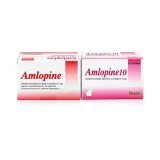
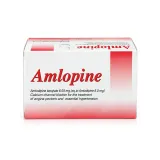
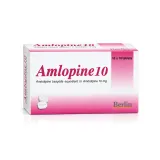
AMLODIPINE
Amlopine — Blood pressure medication for hypertension and coronary artery disease
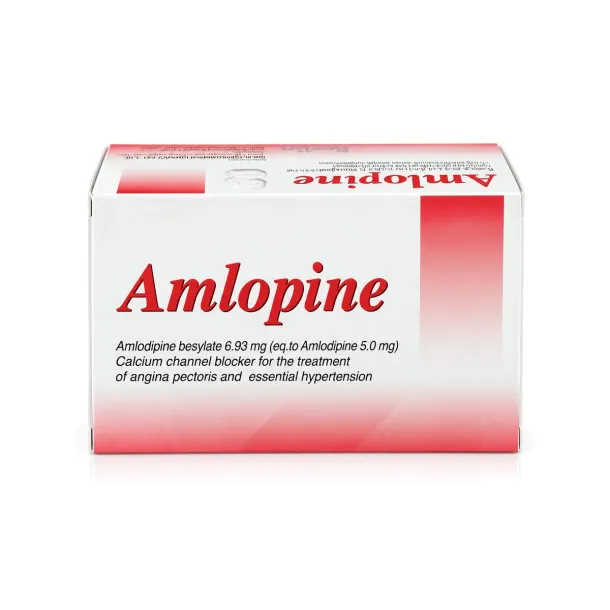
💊 Active ingredient — Amlodipine, a Calcium Channel Blocker
⏰ 24-hour effectiveness — Take once daily
🍽️ Can be taken with or without food
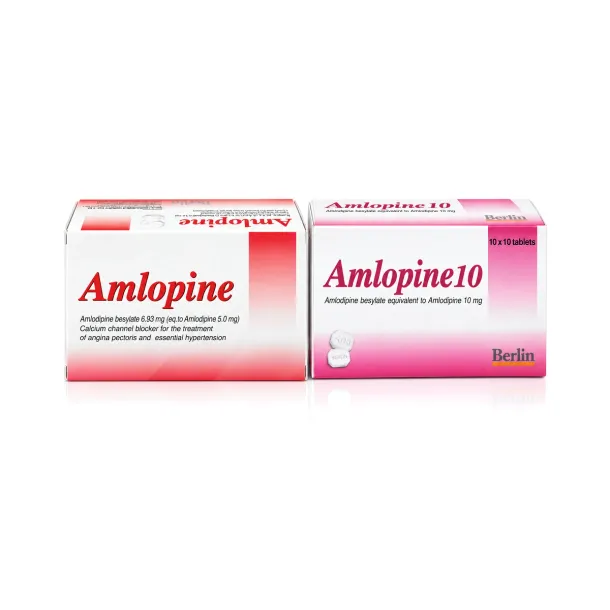
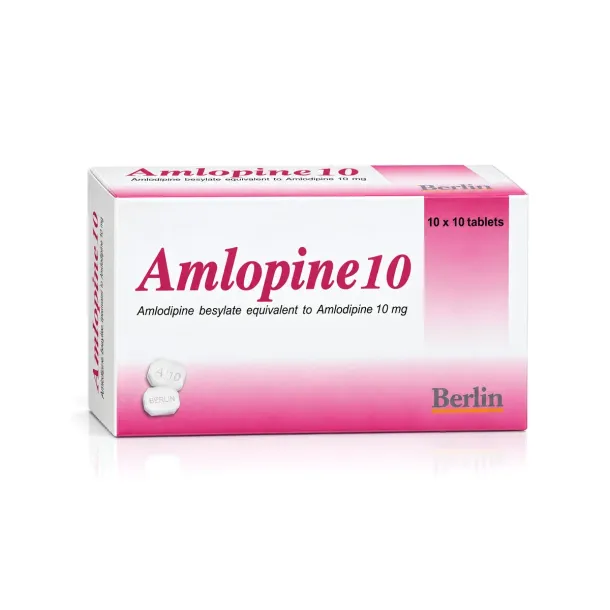
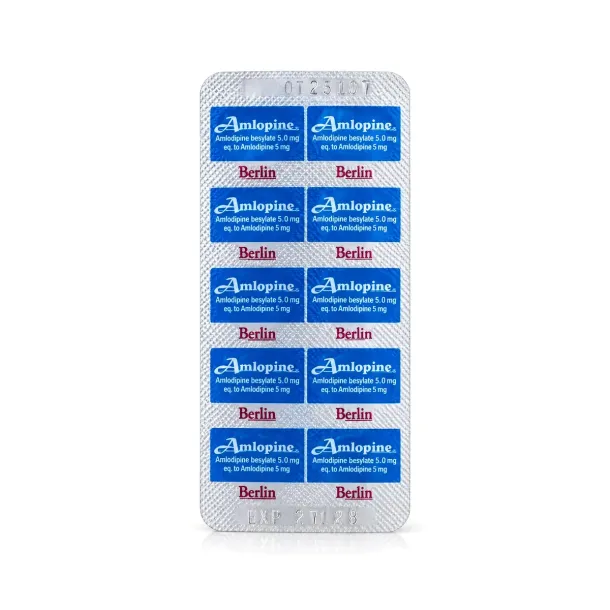
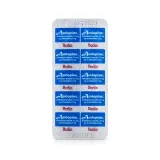
📦 Box contains 10 strips, 10 tablets per strip
🏭 Manufactured by Berlin Pharmaceutical, Thailand
✅ Gradual onset of action, reduces blood pressure fluctuations
Done — we will alert you on LINE when this item is back.
Remind me to reorder
Remind me every
First reminder 26 Nov 2026 · on LINE
Shipping
Discreet shipping within Thailand — packaging does not identify the product. Customers can review shipping and return conditions per our store policy. Contact our team for any questions.
What is Amlopine?
Amlopine contains amlodipine, a calcium channel blocker used for high blood pressure and coronary artery disease (angina). It works for 24 hours with once-daily dosing, taken before or after meals, and its gradual onset helps keep blood pressure fluctuations low. Amlodipine is the most-prescribed CCB worldwide, used for over 30 years, and is a first-line hypertension treatment in Asia.
🛒 box of 10 strips (10 tablets/strip) · authentic · 24-hour dispatch from Intimo Life — consult a doctor or pharmacist before use.
Product Description
Hypertension is the leading cause of death worldwide, affecting over 1.4 billion people globally. In Thailand, more than 1 in 4 adults have high blood pressure, many with inadequate control. Amlopine helps address this with convenient once-daily dosing. See all blood pressure medications in the high blood pressure collection.
📊 Key statistics
- Amlodipine accounts for 37% of all calcium channel blocker prescriptions — the most prescribed CCB worldwide, used for over 30 years
- In Asia, CCBs are recommended as first-line antihypertensive therapy due to superior monotherapy efficacy and better stroke prevention
- Amlodipine's half-life of 35–50 hours means even a missed dose won't cause dangerous blood pressure spikes, reducing BP variability throughout the day
- No dry cough side effect, unlike ACE Inhibitors such as Enalapril
🏭 Amlopine is manufactured by Berlin Pharmaceutical Industry, one of Thailand's leading pharmaceutical companies established in 1932, ranked among the top 10 in the industry. Two manufacturing facilities certified with GMP, ISO 9001, and ISO 17025 standards. Registered with the Thai FDA.
⚠️ Blood pressure medication must be taken continuously. Never stop without consulting your doctor, even if your blood pressure returns to normal.

About Amlopine
What is Amlopine?
Amlopine is a blood pressure medication containing Amlodipine, a Calcium Channel Blocker (CCB) of the Dihydropyridine subclass. Amlodipine was first approved by the US FDA in 1987 and has been used worldwide for over 30 years.
Amlodipine works by blocking calcium flow into smooth muscle cells in blood vessel walls, causing blood vessels to relax and widen. This lowers blood pressure and reduces the heart's workload. Unlike older CCBs such as Nifedipine, Amlodipine has a gradual onset of action that produces smoother, more consistent blood pressure reduction with less fluctuation.
Amlopine is available in two strengths: 5 mg for patients starting treatment, and 10 mg for those needing more intensive control.
What is Amlopine used for?
Hypertension (high blood pressure): The primary indication. Can be used alone or combined with other antihypertensives. Reduces the risk of stroke, heart attack, and kidney failure.
Angina (chest pain): Both chronic stable angina and vasospastic (Prinzmetal's) angina. Improves blood flow to the heart muscle and reduces chest pain episodes.
Coronary artery disease (CAD): Reduces the risk of hospitalisation for angina and the need for coronary revascularisation. Amlodipine also has antioxidant properties and promotes nitric oxide production, a natural vasodilator.
How to Take Amlopine / Dosage
Take 1 tablet daily at the same time each day, with or without food. Many patients prefer morning or bedtime dosing — choose whatever is most convenient.
Starting treatment: Doctors typically begin with the lower dose and adjust upward. Patients with liver problems should start at the lowest dose. Elderly patients may be more sensitive and should also start low.
If you miss a dose: Missed by less than 12 hours — take immediately. Missed by more than 12 hours — skip and take the next dose as normal. Never take 2 tablets at once.
Important: Never stop blood pressure medication on your own, even if you feel fine. Hypertension often has no symptoms. Stopping may cause blood pressure to rise again.
Side Effects of Amlopine
Common side effects (usually improve as your body adjusts):
- Ankle or foot swelling — the most common side effect, more frequent at higher doses, caused by dilation of small blood vessels in the lower limbs
- Headache
- Flushing (warmth, redness)
- Dizziness, fatigue
- Palpitations
Uncommon side effects:
- Nausea, abdominal pain
- Drowsiness
- Gum swelling (rare, with long-term use)
Warning signs — seek immediate medical attention:
- Severe chest pain or worsening after starting the medication
- Irregular heartbeat
- Swelling of lips, face, or throat (severe allergic reaction)
Contraindications & Precautions
Do not use:
- Allergy to Amlodipine or any Calcium Channel Blocker
- Severe hypotension (dangerously low blood pressure)
- Severe aortic stenosis
Use with caution:
- Liver disease — Amlodipine is metabolised in the liver; start low and titrate slowly, as the half-life may be prolonged
- Heart failure — use under medical supervision
- Elderly patients — may be more sensitive; start at the lowest dose
- Pregnancy — consult your doctor, limited data available
- Avoid grapefruit juice — may increase Amlodipine blood levels
How Does Amlopine Compare to Other Blood Pressure Medications?
Amlopine vs. Ambes (Amlodipine — GPO): Identical active ingredient (Amlodipine). Amlopine is manufactured by Berlin Pharmaceutical (250/350 THB), while Ambes is by the Government Pharmaceutical Organization (150/200 THB). Both are Thai FDA-registered with GMP certification and clinically equivalent.
Amlopine (CCB) vs. Anapril (Enalapril — ACE Inhibitor): Amlopine does not cause dry cough, a common ACE Inhibitor side effect. However, ACE Inhibitors offer better kidney protection for diabetic patients.
Amlopine vs. Loranta (Losartan — ARB): Losartan provides better kidney protection for diabetic patients and doesn't cause ankle swelling. However, Amlodipine achieves greater blood pressure reduction as monotherapy, especially in Asian patients, according to evidence from the Asian Pacific Heart Association.
Can Amlopine Be Taken with Other Medications?
Commonly combined (your doctor may prescribe together):
- ACE Inhibitors (e.g. Enalapril) or ARBs (e.g. Losartan) — improves blood pressure control and may reduce Amlodipine-related ankle swelling
- Diuretics (e.g. Hydrochlorothiazide) — standard combination therapy
Medications requiring caution:
- Other antihypertensives — may cause excessive blood pressure drop; doses must be adjusted by a doctor
- CYP3A4 inhibitors (e.g. Ketoconazole, Erythromycin, Diltiazem) — may increase Amlodipine blood levels
- Simvastatin — high-dose Simvastatin must not be used with Amlodipine due to increased risk of rhabdomyolysis (muscle breakdown)
- Cyclosporine, Tacrolimus — Amlodipine may increase levels of these drugs
How Long Does Amlopine Take to Work?
Amlodipine in Amlopine provides blood pressure-lowering effects for more than 24 hours per dose, thanks to its exceptionally long half-life of 35–50 hours — the longest among all Dihydropyridine CCBs.
The drug has high bioavailability (60–80%). Blood levels peak within 6–12 hours after taking a dose. Steady state is reached after 7–8 days of daily use, so full effects take about 1–2 weeks to become apparent.
The long half-life means that even if you miss a dose, blood pressure won't rebound dangerously — a significant safety advantage for patients who occasionally forget.
Where Can I Buy Amlopine?
Amlopine is a pharmacist-dispensed medication. You can order online from Intimo Life.
Can I buy Amlopine online?
Yes. Order through Intimo Life — select the product, consult with a licensed pharmacist online, and receive your medication at home. No need to visit a hospital.
Should I speak to a pharmacist before ordering?
Yes. This medicine should be used under the guidance of a pharmacist or doctor. Read the label and get advice before use, especially if you have an existing condition, take other medicines, or are pregnant or breastfeeding. The Intimo Life team will ask about your health history, current medications, and blood pressure readings before shipping. If symptoms do not improve or get worse, see a doctor.
How does Intimo Life ship orders?
We deliver nationwide in Thailand with discreet packaging — no product names on the outside.
⚠️ Disclaimer
The information on this page is for general informational purposes only and is not intended to replace professional medical advice, diagnosis, or treatment from a qualified doctor or pharmacist. If you have any questions about your symptoms or medication, always consult a doctor or pharmacist first.
References
- Cheng X, et al. "Amlodipine in the current management of hypertension." J Clin Hypertens. 2023;25(9):801-811.
- Fares H, et al. "Amlodipine in hypertension: a first-line agent with efficacy for improving blood pressure and patient outcomes." Open Heart. 2016;3(2):e000473.
- StatPearls — Amlodipine. NCBI Bookshelf. Updated April 2024.
- Mayo Clinic — Amlodipine: Drug Information
- Thai FDA — Drug Product Database

Frequently Asked Questions
The difference is the Amlodipine dose — 5 mg versus 10 mg. Doctors typically start with 5 mg and may increase to 10 mg if blood pressure isn't adequately controlled. Both are taken once daily.
Any time of day works, but take it at the same time every day for consistent blood levels. Many people prefer morning or bedtime. It can be taken with or without food.
Yes, it's the most common side effect of Amlodipine. It results from dilation of small blood vessels in the lower limbs, allowing fluid to seep into surrounding tissue. It's more common at higher doses. Combining with an ACE Inhibitor or ARB may help reduce the swelling.
Amlopine is a Calcium Channel Blocker that directly relaxes blood vessels. Its key advantage is that it does not cause dry cough — a frequent side effect of ACE Inhibitors like Enalapril. This makes it a better option for patients who cough with ACE Inhibitors.
Most hypertension patients need continuous medication. However, significant lifestyle changes — weight loss, regular exercise, reducing salt intake — may allow your doctor to consider lowering the dose or even discontinuing in some cases. Never stop on your own.
Best to avoid it. Grapefruit juice inhibits CYP3A4 enzymes that break down Amlodipine, potentially raising drug levels and increasing side effects such as excessive blood pressure drop or worsened ankle swelling.
Related Products
Products with the same active ingredient or treating the similar condition.
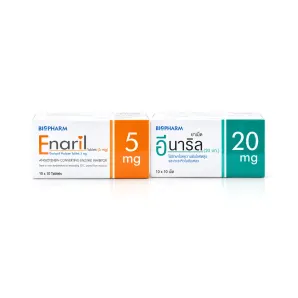 Enaril
ACE inhibitor for blood pressure & heart care
✓ In stockFrom 150.00 ฿(฿1.5/tablet)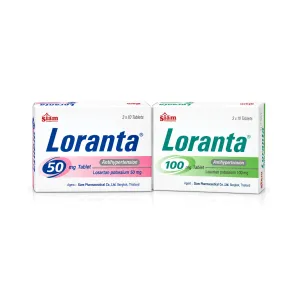 Loranta
ARB antihypertensive for heart & kidney protection
✓ In stockFrom 195.00 ฿(฿6.5/tablet)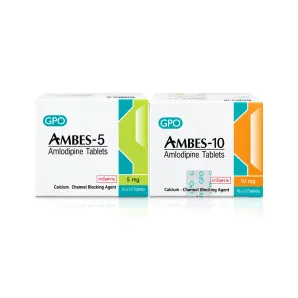 Ambes
AmbesAmlodipine antihypertensive, once-daily 24h
✓ In stockFrom 200.00 ฿(฿2/tablet)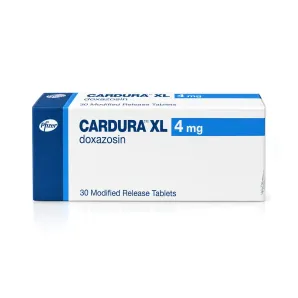 Cardura XL
Doxazosin for blood pressure & enlarged prostate
✓ In stock815.00 ฿(฿27.17/tablet)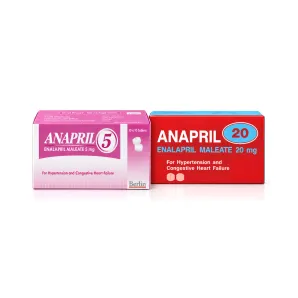 Anapril
Proven antihypertensive for blood pressure & heart care
✓ In stockFrom 150.00 ฿(฿1.5/tablet)