
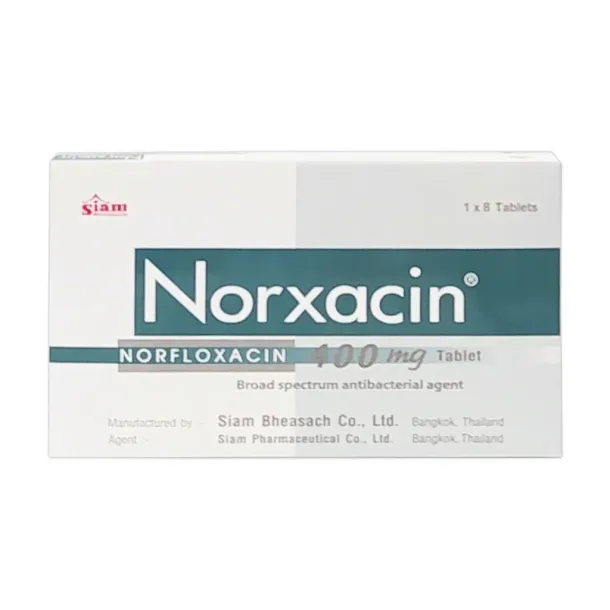
Norfloxacin
Norxacin Norfloxacin 400mg Antibiotic for UTI
Norxacin — Norfloxacin 400mg Fluoroquinolone antibiotic for urinary tract infections and bacterial diarrhea
💊 Active: Norfloxacin (Fluoroquinolone class)
⏱️ How to take: Twice daily every 12 hours, complete full 3-7 day course
🍽️ Conditions: Take 1hr before or 2hr after meals, drink plenty of water
📦 Pack: 8 tablets/box, Norfloxacin 400mg tablets
⚡ Benefit: High urinary concentration — targeted UTI treatment
🌡️ Storage: Below 30°C, away from sunlight and moisture
Done — we will alert you on LINE when this item is back.
Remind me to reorder
Remind me every
First reminder 26 Oct 2026 · on LINE
Shipping
Discreet shipping within Thailand — packaging does not identify the product. Customers can review shipping and return conditions per our store policy. Contact our team for any questions.
What is Norxacin?
Norxacin is a Fluoroquinolone antibiotic containing Norfloxacin 400 mg, used to treat urinary tract infections by inhibiting bacterial DNA synthesis. Its key benefit is a much higher drug concentration in urine than in blood, targeting the infection directly. Take it twice daily, every 12 hours, one hour before or two hours after meals, completing the full course and drinking plenty of water.
🛒 8 tablets/box · Authentic · Fast delivery 24 hrs. Intimo Life — Consult a doctor or pharmacist before use
Product Description
Norfloxacin antibiotic Norxacin is a Fluoroquinolone developed specifically for urinary tract infections. It works by inhibiting bacterial DNA Gyrase and Topoisomerase IV, preventing DNA synthesis and killing bacteria. Norfloxacin achieves urinary concentrations 200-400 times higher than serum levels, making it particularly effective against uropathogens in the urinary tract.
📊 Key stats: 40-50% of women experience at least one UTI in their lifetime. Norfloxacin achieves an 85-95% clinical cure rate for uncomplicated cystitis according to StatPearls (NCBI) 2024 data, establishing it as a first-line antibiotic option for urinary infections.
🏭 Norfloxacin 400mg is a generic medicine registered with Thailand FDA (อย.) under the brand name Norxacin (นอร์ซาซีน), demonstrating bioequivalence to the reference product and manufactured under GMP standards.
⚠️ Important warning: Fluoroquinolones including Norfloxacin may increase the risk of tendon inflammation and rupture, particularly in elderly patients or those taking corticosteroids. Photosensitivity may also occur — avoid direct sunlight during treatment and discontinue immediately if tendon pain develops.

About Norxacin
What is Norxacin?
Norxacin (นอร์ซาซีน) is a Fluoroquinolone antibiotic containing Norfloxacin 400mg per tablet. It works by inhibiting bacterial DNA Gyrase (Topoisomerase II) and Topoisomerase IV — enzymes essential for unwinding and repairing DNA during bacterial cell division.
When these enzymes are inhibited, bacteria cannot synthesize DNA normally, leading to DNA strand breaks and bacterial death. Norfloxacin is a 2nd-generation Fluoroquinolone with activity focused on gram-negative uropathogens such as E. coli, Klebsiella, Proteus, and Enterobacter, making it particularly suited for urinary tract infections rather than systemic or respiratory infections.
What does Norxacin treat?
Norxacin (Norfloxacin) is indicated for bacterial infections including:
- Cystitis and uncomplicated UTIs — Primary indication, most common in women of reproductive age. Symptoms: burning urination, frequency, pelvic discomfort, cloudy urine
- Bacterial/Traveler's diarrhea — Treats diarrhea caused by E. coli, Shigella, and intestinal bacteria, especially traveler's diarrhea
- Uncomplicated acute pyelonephritis — In select cases where the organism is susceptible
Norfloxacin is NOT appropriate for respiratory tract infections, skin infections, or bone infections because its tissue penetration outside the urinary system is lower than newer Fluoroquinolones like Ciprofloxacin.
How to take Norxacin / Dosage
Standard dosage: Norxacin 400mg (1 tablet) twice daily every 12 hours
- Uncomplicated cystitis (women): 3 days
- General UTI: 7-10 days
- Bacterial diarrhea: 5-7 days
- Prostatitis (men): 4-6 weeks (as directed by physician)
Correct administration:
- Take 1 hour before meals or 2 hours after meals (food reduces absorption by up to 30%)
- Drink 250-500 ml of water with each dose to prevent kidney stones
- Complete the full course even if symptoms improve, to prevent antibiotic resistance
- Do not crush or chew — swallow whole
Norxacin side effects
Possible side effects of Norxacin (Norfloxacin):
- Tendinopathy/Tendon rupture — Higher risk in patients >60 years or on corticosteroids. Stop immediately if tendon pain (especially Achilles or calf) develops
- Photosensitivity — Skin may burn more easily in sunlight. Use SPF 50+ sunscreen during treatment
- GI effects — Nausea, diarrhea, abdominal pain (less common than with Ciprofloxacin)
- CNS effects — Headache, dizziness, insomnia (1-2% incidence)
- QT Prolongation — Caution in patients with arrhythmia or using other QT-prolonging drugs
Stop immediately and consult a doctor for: tendon pain, seizures, palpitations, severe rash, or severe diarrhea during/after treatment.
Contraindications / Precautions
Contraindications:
- Allergy to Norfloxacin or any Fluoroquinolone antibiotic
- Pregnancy and breastfeeding — crosses placenta/breast milk, may affect cartilage development in infants
- Children and adolescents under 18 years — may inhibit cartilage growth plates
Precautions:
- Renal impairment: Dose adjust based on CrCl (CrCl <30 mL/min: 400mg once daily)
- Drug interactions: Antacids, calcium, iron supplements, Warfarin, NSAIDs, Theophylline — separate by at least 2 hours
- Elderly: Higher tendon rupture risk — limit strenuous physical activity during treatment
- G6PD Deficiency: Consult a physician before use
Norxacin vs other antibiotics
Comparing Norxacin (Norfloxacin) with other available antibiotics:
- Norxacin (Norfloxacin 400mg) — 2nd-generation Fluoroquinolone, UTI-focused, high urinary concentration, fewer GI side effects than Ciprofloxacin, narrower spectrum
- B-Ciprofloxacin (Ciprofloxacin 500mg) — Also 2nd-generation Fluoroquinolone but broader spectrum: UTI + respiratory + bone + skin infections. Higher 500mg dose; slightly higher rates of CNS and GI side effects
Summary: For uncomplicated cystitis or urinary tract discomfort, Norxacin is the more targeted choice with a narrower spectrum (reducing resistance risk) and fewer side effects. B-Ciprofloxacin is preferred when broad-spectrum coverage or treatment of non-urinary infections is required.
How fast does Norxacin work?
After taking Norxacin, the drug is rapidly absorbed into the bloodstream and urinary system:
- Tmax (peak blood level): 1-2 hours after ingestion
- Half-life: 3-4 hours
- Urinary concentration: Remains high for 12 hours — covering twice-daily dosing
- Symptom relief: Most patients report reduced burning/urgency within the first 24-48 hours
- Urine vs serum level: 200-400x higher because Norfloxacin is primarily renally excreted
Even with rapid symptom improvement, complete the full 3-7 day course to eliminate remaining bacteria and prevent resistance.
Where to buy Norxacin?
Where to purchase Norxacin
Norxacin (นอร์ซาซีน) is available to order online through Intimo Life with nationwide delivery across Thailand. All orders are shipped discreetly with no product details on the packaging.
⚠️ ข้อจำกัดความรับผิดชอบ
เนื้อหาในบทความนี้มีจุดประสงค์เพื่อให้ความรู้ทั่วไปเท่านั้น ไม่ได้มีเจตนาทดแทนคำแนะนำ การวินิจฉัย หรือการรักษาจากแพทย์หรือเภสัชกรผู้เชี่ยวชาญ หากมีข้อสงสัยเกี่ยวกับอาการหรือการใช้ยา ควรปรึกษาแพทย์หรือเภสัชกรก่อนเสมอ
References
- Aronson JK. Norfloxacin. StatPearls [Internet]. Treasure Island (FL): StatPearls Publishing; 2024. Available from: https://www.ncbi.nlm.nih.gov/books/NBK557611/
- U.S. National Library of Medicine. Norfloxacin. MedlinePlus Drug Information; 2024. Available from: https://medlineplus.gov/druginfo/meds/a688022.html
- NHS. Urinary tract infections (UTIs). National Health Service, UK; 2023. Available from: https://www.nhs.uk/conditions/urinary-tract-infections-utis/
- National Center for Biotechnology Information. Norfloxacin — Compound Summary. PubChem; 2024. Available from: https://pubchem.ncbi.nlm.nih.gov/compound/Norfloxacin
Frequently Asked Questions
Treatment duration with Norxacin depends on the infection type: uncomplicated cystitis in women — 3 days / general UTI — 7-10 days / bacterial diarrhea — 5-7 days. Critical: always complete the full prescribed course even if symptoms resolve early. Stopping prematurely allows remaining bacteria to develop resistance and cause relapse.
Norxacin must be taken on an empty stomach — 1 hour before meals or 2 hours after eating. Food (especially dairy, calcium-rich, or iron-rich foods) reduces drug absorption by up to 30%, lowering effectiveness. Always drink at least 250ml of water with each dose to support kidney excretion.
Both are Fluoroquinolones but differ in several ways: Norxacin (Norfloxacin 400mg) has a narrower spectrum focused on urinary uropathogens with high urinary concentration but limited systemic tissue penetration. Ciprofloxacin 500mg has broader spectrum covering UTIs, respiratory, bone, and skin infections with slightly higher rates of CNS and GI side effects. For uncomplicated UTI, Norxacin is the more targeted choice.
Urinary tract infections like cystitis are commonly treated with Fluoroquinolone antibiotics such as Norxacin (Norfloxacin 400mg), which achieves high concentrations in the urinary tract. Start treatment promptly when symptoms appear (burning urination, frequency, lower abdominal pain) and drink plenty of water to help flush bacteria from the urinary system.
Yes — all Fluoroquinolones including Norfloxacin carry a risk of tendinopathy and tendon rupture, particularly affecting the Achilles tendon. Risk is higher in patients over 60, those on corticosteroids, or those with chronic kidney disease. If tendon pain, swelling, or stiffness develops during treatment, discontinue immediately and rest from physical activity.
Yes — Norxacin (Norfloxacin) is effective against bacterial diarrhea including traveler's diarrhea caused by E. coli, Shigella, and intestinal bacteria. Standard dosing is 400mg twice daily for 5-7 days. However, antibiotics are NOT appropriate for viral diarrhea or non-bacterial causes — using antibiotics unnecessarily can disrupt gut flora and promote resistance.
Not recommended — Norfloxacin crosses the placenta and appears in breast milk, with potential effects on cartilage development in the developing infant. All Fluoroquinolones are not recommended during pregnancy or lactation. Consult a physician for safer alternatives such as Amoxicillin or Nitrofurantoin for UTIs during pregnancy.
No — antacids containing aluminum, magnesium, or calcium, as well as dairy products and milk, bind to Norfloxacin in the GI tract through chelation, reducing drug absorption by 30-50%. Separate Norxacin from antacids and dairy by at least 2 hours (before or after) to maintain full antibiotic effectiveness.
Related Products
Products with the same active ingredient or treating the similar condition.
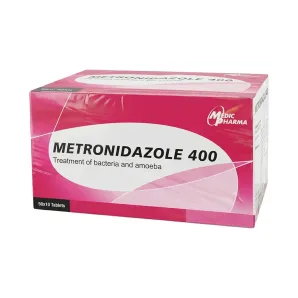 Metronidazole
Treats bacterial vaginosis & abnormal vaginal discharge
✓ In stock40.00 ฿(฿4/tablet)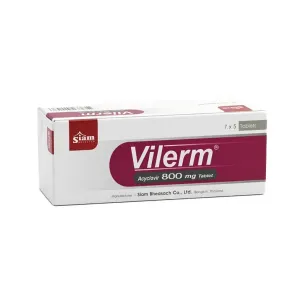 Vilerm
Oral herpes treatment reduces recurrence
✓ In stockFrom 55.00 ฿(฿11/tablet)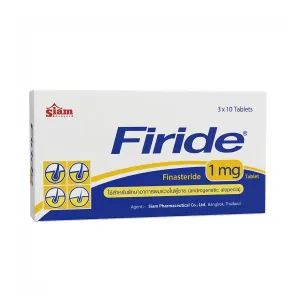 Firide
Finasteride for hair growth – quality & value
✓ In stockFrom 345.00 ฿(฿11.50/tablet)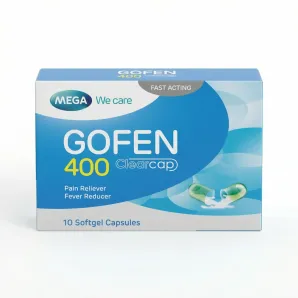 Gofen
GofenGofen for period pain, headache & muscle ache
✓ In stock120.00 ฿(฿12/tablet) Annylyn
Annylyn birth control pill, simple & easy-to-use
✓ In stock118.00 ฿(฿4.21/tablet)
Become a member of our store to receive news and exclusive discounts.